




Table of Contents
Finding a job can be a time-consuming process involving resume writing, job searches, applications, networking, and interview preparation. A reverse recruiter offers support by helping job seekers manage these tasks and connect with suitable employment opportunities. Instead of leaving every part of the job search to the candidate, works on the candidate’s behalf to make the process more organized and efficient.
Understanding what a reverse recruiter does can help professionals decide whether this service fits their career goals, budget, and job search strategy. Whether you are changing industries, seeking a leadership position, or trying to save time during your job hunt, reverse recruiting may provide useful assistance.
What Is a Reverse Recruiter?
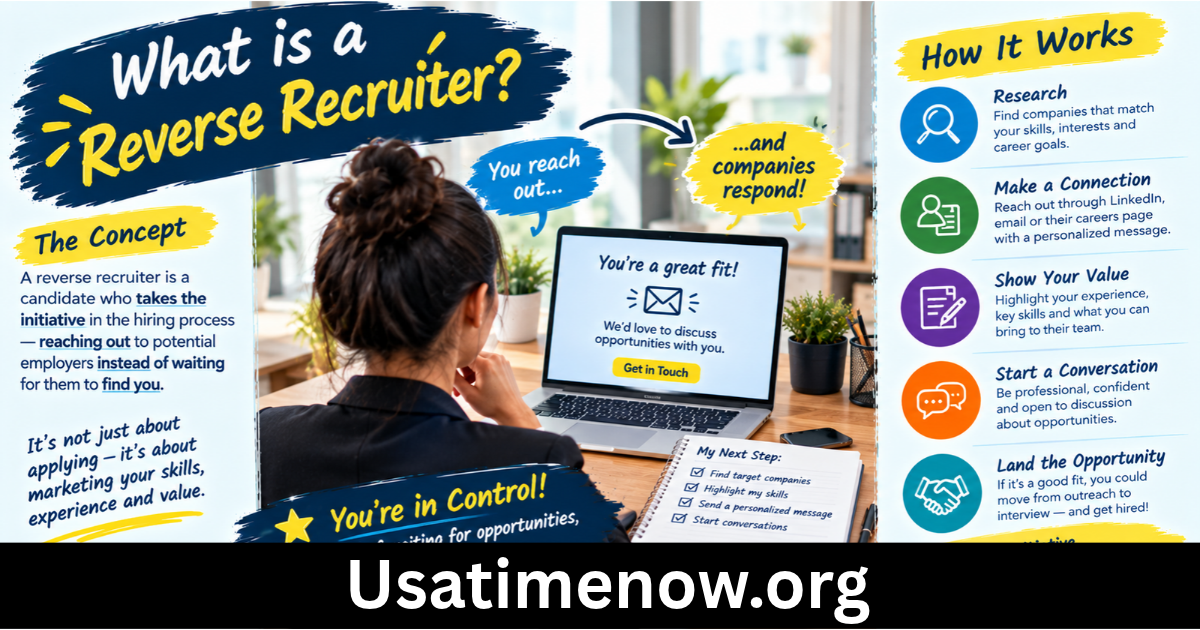
A reverse recruiter is a career service professional who helps job seekers find employment opportunities and manage parts of the application process. Unlike a traditional recruiter, who is generally hired by an employer to identify suitable candidates, typically works for the job seeker.
Depending on the service agreement, a reverse recruiter may research job openings, tailor resumes, prepare application materials, identify networking opportunities, and help candidates prepare for interviews.
The goal is to reduce the administrative workload associated with job searching and create a more focused approach to finding employment.
Reverse recruiting services vary considerably. Some provide career coaching and job search guidance, while others offer hands-on assistance with applications and professional networking. Candidates should understand exactly what a provider includes before paying for the service.
How Does Work?
The reverse recruiting process usually begins with a discussion about the candidate’s professional background, skills, experience, and career objectives.
1. Career Assessment
The reverse recruiter reviews your resume, employment history, qualifications, and career goals. This assessment helps identify suitable roles, industries, and employers.
For example, a marketing professional seeking a management position may benefit from targeting roles that match their leadership experience rather than applying to every available marketing job.
2. Job Opportunity Research
The recruiter researches relevant job openings using company career pages, job boards, professional networks, and other employment resources.
The objective is to identify opportunities that match your qualifications, salary expectations, location preferences, and long-term career plans.
3. Resume and Application Support
Some reverse recruiters help customize resumes and cover letters for specific positions. They may highlight relevant achievements, incorporate appropriate industry terminology, and improve the clarity of your professional profile.
Candidates should always review application materials to ensure that all information is accurate and reflects their actual experience.
4. Application Management
Depending on the agreement, a reverse recruiter may organize job listings, track application deadlines, prepare submissions, or help complete applications.
The level of assistance differs between providers. Some submit applications on behalf of clients with permission, while others simply provide recommendations and guidance.
5. Interview Preparation and Follow-Up
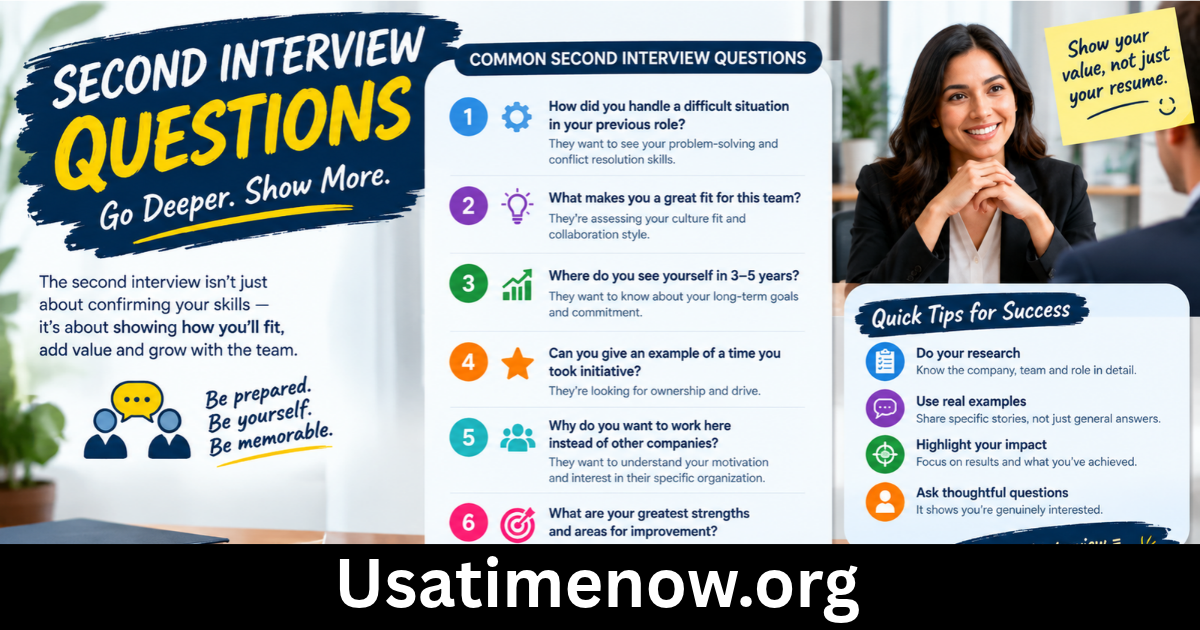
Some services offer mock interviews, advice on answering common questions, salary negotiation guidance, and follow-up strategies.
These services can help candidates communicate their qualifications more effectively and prepare for different stages of the hiring process.
Reverse Recruiter vs. Traditional Recruiter
The main difference between a reverse recruiter and a traditional recruiter is who they primarily serve.
A traditional recruiter is generally engaged by an employer to find and evaluate candidates for open positions. The employer usually pays the recruiter’s fee.
A reverse recruiter typically works for the job seeker and helps manage the candidate’s job search. The candidate generally pays for the service.
For example, a company might hire a traditional recruiter to fill a software engineering vacancy. A software engineer who hires a reverse recruiter may receive assistance identifying suitable vacancies, preparing applications, and organizing interviews.
Neither approach guarantees employment. Both depend on factors such as the candidate’s qualifications, market conditions, available positions, and hiring decisions.
Benefits of Hiring a Reverse Recruiter
A reverse recruiter may offer several advantages, particularly for professionals managing a demanding job search.
Saves Time
Searching for positions, tailoring applications, and tracking responses can require many hours each week. A reverse recruiter can take responsibility for some of these tasks, allowing candidates to focus on their current employment, professional development, and interview preparation.
Provides a More Targeted Job Search
Applying to every available vacancy may lead to wasted effort. A reverse recruiter can help narrow the search to positions that align with your experience, interests, and compensation expectations.
A targeted strategy may also make it easier to customize applications for relevant opportunities.
Improves Application Materials
Professional resume and cover letter support can help candidates present their qualifications more clearly. A reverse recruiter may identify achievements that deserve greater attention and suggest improvements to the overall structure of an application.
However, candidates should avoid providers who promise unrealistic results or encourage inaccurate information.
Offers Career Guidance
Some reverse recruiters help clients identify transferable skills, explore different industries, and prepare for career transitions. This support may be especially useful for professionals returning to work or seeking positions with greater responsibility.
Helps Organize the Process
A structured job search makes it easier to track applications, deadlines, recruiter communications, and interview schedules. This organization can reduce confusion and help candidates maintain consistent progress.
How Much Does a Reverse Recruiter Cost?
The cost of a reverse recruiter varies depending on the provider, the services included, and the length of the engagement.
Some providers charge a flat fee for a defined package. Others offer monthly subscriptions, hourly consultations, or customized career services.
A basic service might focus on resume improvement and job search strategy, while a more comprehensive package could include application assistance, networking support, and interview coaching.
Before signing an agreement, ask for a written breakdown of the fees, deliverables, payment schedule, cancellation terms, and any additional charges. Compare several providers and evaluate their services against your budget.
Be cautious of anyone promising a guaranteed job, a specific salary, or interviews with particular companies without credible evidence.
How to Choose the Right Reverse Recruiter
Selecting a suitable reverse recruiter requires careful research. A professional service should understand your career goals and explain how it plans to support your job search.
Check Experience and Specialization
Look for a provider with experience in your industry, career level, or target job market. Someone familiar with technology hiring may offer different insights from a specialist working with healthcare professionals or senior executives.
Ask about their process and the types of clients they typically support.
Review Services and Deliverables
Make sure the service includes the assistance you actually need. If your main challenge is finding relevant vacancies, prioritize job research. If you struggle with interviews, look for a provider offering practical interview coaching.
Clarify who will write, review, and submit applications and whether you must approve each submission.
Evaluate Reviews and Transparency
Look for credible client feedback and clear information about pricing, responsibilities, and expected outcomes.
Ask for examples of the provider’s process rather than relying only on promotional claims. Remember that testimonials do not guarantee you will achieve the same results.
Protect Your Personal Information
Your resume may contain personal contact details and employment history. Before sharing sensitive information, review the provider’s privacy practices and understand how your data will be stored and used.
Never share passwords to email accounts, job platforms, or financial accounts merely to receive recruiting assistance.
Is a Reverse Recruiter Worth It?
A reverse recruiter may be worthwhile if you have limited time, are pursuing a competitive position, or need professional support organizing a complex job search.
For example, a senior professional applying to multiple leadership roles may appreciate help researching employers and managing application deadlines. Someone changing industries may benefit from assistance identifying transferable skills and targeting suitable positions.
However, a reverse recruiter may not be necessary for everyone. Job seekers with a limited budget can use free resources such as public job boards, company career pages, professional networking platforms, and career centers.
The decision depends on the service’s cost, the amount of time it saves, the quality of its support, and your personal job search needs.
Tips for Getting the Most From a Reverse Recruiter
To make the partnership productive, communicate your goals clearly from the beginning.
Explain your preferred job titles, target industries, salary range, location requirements, and work arrangements. Share an accurate resume and provide specific examples of your accomplishments.
Agree on measurable activities, such as the number of suitable vacancies researched, application materials reviewed, or coaching sessions delivered. These measures help you evaluate the service without confusing activity levels with guaranteed hiring outcomes.
Stay involved in the process. Review applications before submission, prepare thoroughly for interviews, and maintain direct communication with potential employers when appropriate.
Frequently Asked Questions
1. What does a reverse recruiter do?
A reverse recruiter helps job seekers manage their job search through services such as vacancy research, resume support, application assistance, networking guidance, and interview preparation.
2. Who pays a reverse recruiter?
The job seeker typically pays a reverse recruiter. Payment may be arranged through a flat fee, hourly rate, monthly subscription, or service package.
3. Can a reverse recruiter guarantee a job?
No legitimate service can guarantee that an employer will hire a candidate. A reverse recruiter can provide assistance, but hiring decisions remain with employers.
4. Is reverse recruiting the same as career coaching?
Not exactly. Career coaching usually focuses on professional development, career decisions, and interview skills. Reverse recruiting may include these services but often places greater emphasis on practical job search and application support.
5. Can a reverse recruiter apply for jobs on my behalf?
Some providers offer application submission services with the candidate’s permission. Others only identify vacancies or prepare materials. Always confirm the scope of the service before signing an agreement.
6. Is reverse recruiting suitable for entry-level job seekers?
Yes, it can be useful for entry-level candidates who need help with resumes, job research, and applications. However, free career resources may be sufficient for those with limited budgets.
7. How do I know if a reverse recruiter is legitimate?
Check the provider’s experience, reviews, written contract, pricing transparency, and privacy practices. Be cautious of guaranteed employment claims, pressure to pay immediately, and requests for unnecessary sensitive information.
Conclusion
A reverse recruiter is a professional who helps job seekers manage the employment search process, from identifying suitable vacancies to improving applications and preparing for interviews. By offering targeted support, this service can save time, improve organization, and help candidates approach their job searches strategically. Before hiring a reverse recruiter, compare providers, review their services, understand the costs, and establish realistic expectations. The right service can make your job search more manageable, but your qualifications, preparation, and the employer’s hiring decisions will continue to play essential roles in securing a position.