




Table of Contents
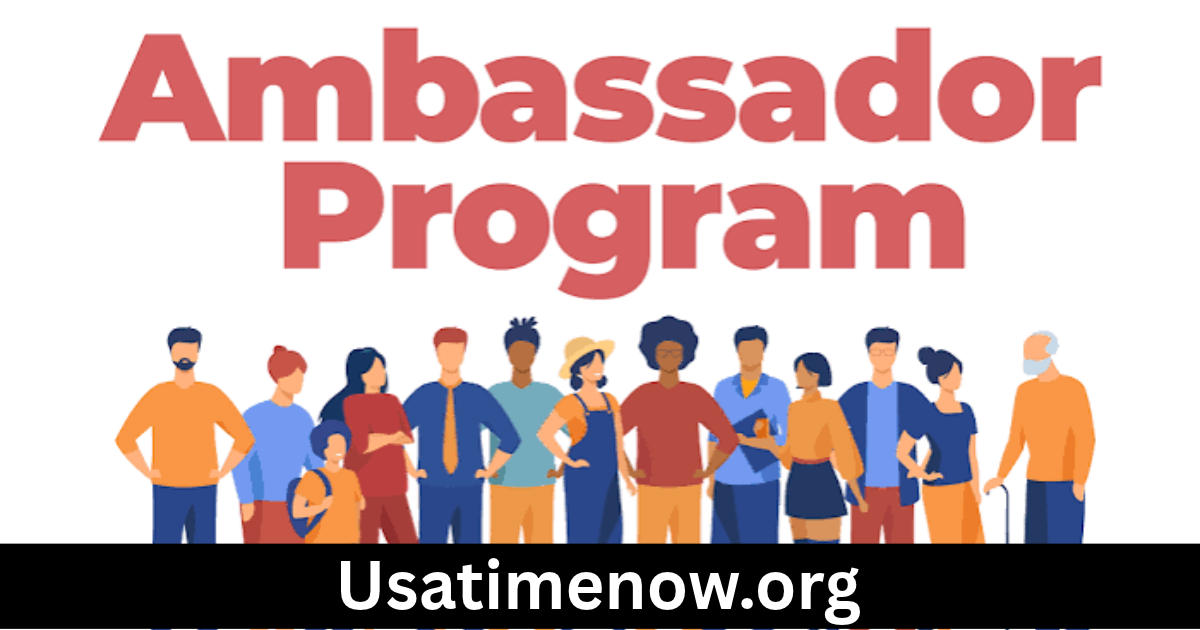
An ambassador program is a marketing strategy that helps businesses build brand awareness and customer trust through people who genuinely support their products, services, or mission. ambassador program Instead of relying entirely on traditional advertising, companies work with enthusiastic customers, employees, creators, or industry professionals who introduce their brand to others.
From small businesses to global companies, ambassador programs can strengthen customer relationships, encourage word-of-mouth recommendations, and support long-term growth. Understanding how these programs work can help organizations decide whether they are the right fit for their marketing strategy.
What Is an Ambassador Program?
An ambassador program is an organized partnership in which selected individuals represent and promote a brand. These people, known as brand ambassadors, share information about a company’s products, services, values, or activities with their audiences and communities.
Ambassadors may promote a brand through social media posts, product reviews, events, personal recommendations, blog content, or other activities. In return, they might receive free products, discounts, commissions, exclusive experiences, financial compensation, or other benefits.
Unlike a one-time influencer campaign, an ambassador program usually focuses on building an ongoing relationship between a business and its representatives.
How Does Work?
An ambassador program generally follows a structured process. The business identifies suitable ambassadors, explains its expectations, provides promotional resources, and tracks the results of their activities.
1. Recruiting Brand Ambassadors
Companies find people who genuinely connect with their brand. These individuals may be loyal customers, employees, content creators, students, industry experts, or community leaders.
A large social media following is not always necessary. Someone with a smaller but engaged audience may be more effective than a creator with thousands of inactive followers.
2. Setting Expectations and Goals
Businesses explain what ambassadors are expected to do. Responsibilities might include publishing social media content, attending events, recommending products, collecting customer feedback, or participating in product launches.
Clear expectations help prevent misunderstandings and keep the program organized.
3. Providing Resources and Incentives
Ambassadors need the right tools to represent a company effectively. Businesses may provide product samples, brand guidelines, promotional materials, discount codes, tracking links, and training.
Incentives vary depending on the program. Some companies offer commissions or fixed payments, while others provide free products, exclusive access, or recognition.
4. Tracking Performance
Businesses monitor ambassador activities to understand whether the program is delivering results. Common performance indicators include referral sales, website traffic, engagement, discount-code usage, event participation, and customer inquiries.
Regular reviews help companies identify successful partnerships and improve the program over time.
Types of Ambassador Programs
There are several types of ambassador programs, and businesses can choose one based on their audience, budget, and marketing objectives.
Customer Ambassador Programs
Customer ambassadors are existing customers who recommend a brand because they enjoy its products or services. They may share testimonials, write reviews, post photographs, or refer friends and family.
These programs can be particularly useful for businesses that want to encourage customer loyalty and word-of-mouth marketing.
Employee
Employee ambassadors promote their workplace, company culture, and professional expertise. They might share company updates, discuss career opportunities, or represent their employer at industry events.
Employee advocacy can help organizations build credibility and attract potential employees.
Social Media
Social media ambassadors create online content that introduces a brand to their followers. Their activities may include product demonstrations, tutorials, reviews, and sponsored posts.
Companies should look for genuine audience engagement and a strong connection between the creator’s content and the brand.
Student
Universities, educational platforms, and companies often recruit students to represent them on campuses or in student communities.
Student ambassadors may organize events, share educational opportunities, answer questions, and encourage other students to participate in programs.
Benefits of an Ambassador Program
A well-managed ambassador program can support several business objectives.
Increased Brand Awareness
Ambassadors introduce a company to people who may not have discovered it through traditional advertising. Their recommendations can help a brand reach new communities and audiences.
Stronger Customer Trust
People often value recommendations from individuals they know or follow. Genuine experiences and honest opinions can make a business feel more approachable and trustworthy.
Cost-Effective Marketing Opportunities
Some ambassador programs operate through product gifts, discounts, or referral commissions rather than large advertising budgets. This can make them accessible to smaller businesses, although managing and rewarding ambassadors still requires resources.
Improved Customer Loyalty
Customers who participate in ambassador programs may develop a stronger relationship with a brand. Exclusive benefits, early product access, and direct communication can encourage continued engagement.
Valuable Customer Feedback
Ambassadors can share observations about products, services, and customer experiences. Businesses can use this feedback to identify problems, improve offerings, and better understand their target audience.
How to Create a Successful Ambassador Program
Creating an effective ambassador program requires planning, clear communication, and consistent evaluation.
1. Define Your Program Goals
Start by identifying what you want to achieve. Your objectives might include increasing brand awareness, generating referrals, improving customer retention, attracting employees, or promoting a new product.
Specific goals make it easier to select ambassadors and measure success.
2. Identify Your Ideal Ambassadors
Consider the qualities that matter most to your business. Look for people who understand your products, communicate effectively, share your values, and have meaningful relationships with their audiences.
Authenticity and audience relevance are often more valuable than follower count alone.
3. Establish Program Guidelines
Create clear guidelines explaining ambassador responsibilities, content expectations, communication procedures, compensation, and brand standards.
Include rules about accurate product claims, appropriate language, and disclosure of paid or gifted partnerships.
4. Choose Appropriate Rewards
Select incentives that match the work ambassadors perform. Options include:
- Free products or services
- Exclusive discounts
- Referral commissions
- Fixed payments for agreed activities
- Early access to new launches
- Invitations to special events
- Recognition and professional opportunities
Rewards should be transparent and appropriate for the partnership.
5. Provide Training and Marketing Materials
Give ambassadors the information they need to represent the company accurately. Useful resources include product descriptions, frequently asked questions, brand guidelines, approved images, and sample content.
Training should explain what ambassadors can and cannot claim about the company’s products or services.
6. Measure Results and Improve the Program
Review performance regularly. Track metrics such as referral conversions, sales, engagement, website visits, content reach, and ambassador retention.
Use these insights to improve incentives, communication, recruitment, and campaign activities.
Ambassador Program vs. Influencer Marketing
Ambassador programs and influencer marketing are related, but they are not identical.
Influencer marketing often involves a business paying a creator to promote a product through a specific campaign or agreed number of posts. An ambassador program typically involves a longer-term relationship with individuals who represent the brand over time.
| Feature | Ambassador Program | Influencer Marketing |
|---|---|---|
| Relationship | Usually ongoing | Often campaign-based |
| Main focus | Long-term brand advocacy | Promotion and reach |
| Participants | Customers, employees, creators, and others | Primarily content creators |
| Compensation | Products, rewards, commissions, or payment | Usually campaign fees or products |
| Main benefit | Loyalty and sustained awareness | Exposure and campaign reach |
Some businesses combine both approaches by inviting successful influencers to become long-term brand ambassadors.
Examples of Ambassador Program Activities
Ambassadors can support a brand in several practical ways:
- Sharing product experiences on social media.
- Publishing tutorials or educational content.
- Using referral links or discount codes.
- Attending trade shows and community events.
- Answering questions from potential customers.
- Providing feedback about products and services.
- Sharing company news and career opportunities.
The most suitable activities depend on the brand’s audience and objectives.
Common Mistakes to Avoid
An ambassador program may struggle if a company recruits people based only on follower numbers, provides unclear instructions, or offers rewards that do not match the work involved.
Other common mistakes include failing to communicate regularly, ignoring ambassador feedback, using unrealistic performance targets, and neglecting legal disclosure requirements.
Businesses should also avoid expecting ambassadors to make unsupported claims or present paid partnerships as independent recommendations.
FAQs About Ambassador Programs
1. What is the main purpose of an ambassador program?
The main purpose is to build brand awareness, strengthen customer relationships, and encourage recommendations through people who represent a company and its values.
2. Do brand ambassadors get paid?
Some brand ambassadors receive money, commissions, free products, discounts, or exclusive benefits. Compensation depends on the company and the responsibilities involved.
3. Who can become a brand ambassador?
Customers, employees, students, social media creators, industry professionals, and community members can become ambassadors if they are a suitable match for the brand.
4. How is an ambassador program different from a referral program?
A referral program usually rewards customers for bringing in new buyers. An ambassador program can involve broader activities, such as creating content, attending events, sharing feedback, and representing the brand over time.
5. How do companies measure ambassador program success?
Companies may measure referral sales, website traffic, engagement, content reach, customer conversions, event participation, and ambassador retention.
6. Are ambassador programs suitable for small businesses?
Yes. Small businesses can start with a few loyal customers or local creators. A simple program with clear expectations and affordable rewards can help build awareness without requiring a large marketing budget.
7. Do brand ambassadors need to disclose sponsored content?
Yes, when a relationship involves payment, free products, discounts, or other material benefits, applicable advertising rules may require clear disclosure. In the United States, for example, Federal Trade Commission guidance requires endorsements to disclose material connections clearly and conspicuously.
Conclusion
An ambassador program is a practical way for businesses to build stronger relationships with customers, increase brand visibility, and encourage authentic recommendations. ambassador program By recruiting suitable representatives, setting clear expectations, offering meaningful rewards, and measuring performance, companies can create programs that support long-term marketing goals. Whether a business works with loyal customers, employees, students, or social media creators, success depends on genuine relationships and consistent communication. A well-planned ambassador program can turn enthusiastic supporters into valuable representatives who help a brand grow.