






Table of Contents
Managing employee payments is an important responsibility for every business. One common approach is biweekly payroll, biweekly payroll a payment schedule in which employees receive their wages every two weeks. This system provides a consistent payday routine and can make payroll planning easier for employers and employees.
Understanding how biweekly payroll works can help businesses organize salary payments, manage cash flow, and maintain accurate payroll records. This guide explains the meaning of biweekly payroll, how it is calculated, its benefits, and how it compares with other pay schedules.
What Is Biweekly Payroll?
Biweekly payroll is a payment schedule in which employees are paid once every two weeks. Since there are 52 weeks in a typical year, this schedule usually results in 26 pay periods annually.
For example, if a company pays employees every other Friday, workers receive their wages approximately 26 times throughout the year.
Biweekly payroll is commonly used by businesses that want a regular payment schedule without processing payroll every week. It can apply to hourly employees, salaried workers, and other eligible staff members, depending on company policies and local employment regulations.
How Does Biweekly Payroll Work?
With a biweekly payroll system, the employer establishes a recurring two-week pay period and a corresponding payday.
A typical process includes:
- Set the pay period: The company defines the two-week period covered by each payroll cycle.
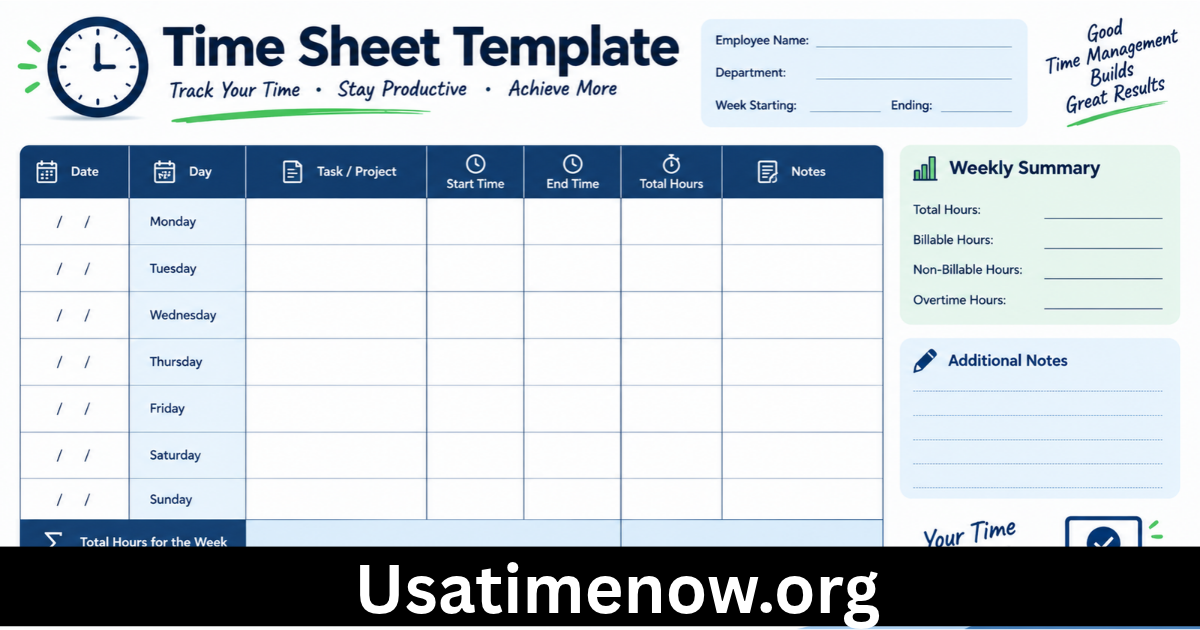
- Track working hours: Employers record employee attendance, regular hours, overtime, and approved leave.
- Calculate gross pay: Wages are calculated using salary agreements or hourly rates.
- Apply deductions: Applicable taxes, benefits contributions, and other authorized deductions are calculated.
- Determine net pay: The remaining amount after deductions is the employee’s take-home pay.
- Issue payments: Employees receive their wages through the company’s chosen payment method.
- Maintain records: Payroll reports and payment information are stored for accounting and compliance purposes.
A consistent payroll process helps businesses avoid missed payments and maintain reliable employee records.
How Many Paychecks Do Employees Receive With Biweekly Payroll?
Employees on a biweekly payroll schedule generally receive 26 paychecks per year.
Most calendar years contain 52 weeks, and dividing 52 by two gives 26 pay periods. However, because a calendar year does not always align perfectly with payroll dates, some years may include 27 paydays for employees on a particular schedule.
This distinction is important for budgeting, especially for salaried employees whose annual compensation is divided across pay periods.
How to Calculate Biweekly Pay
Calculating biweekly pay depends on whether an employee receives an annual salary or an hourly wage.
Biweekly Pay for Salaried Employees
To calculate gross biweekly pay for a salaried employee, divide the annual salary by 26.
Formula:
Biweekly Gross Pay = Annual Salary ÷ 26
For example, an employee earning $52,000 annually would receive:
$52,000 ÷ 26 = $2,000
The employee’s gross biweekly pay is $2,000 before taxes and other deductions.
Biweekly Pay for Hourly Employees
For hourly workers, biweekly gross pay is generally calculated by multiplying the hourly rate by the total eligible hours worked during the two-week pay period.
Formula:
Biweekly Gross Pay = Hourly Rate × Hours Worked
For example, an employee earning $20 per hour and working 80 regular hours over two weeks would receive:
$20 × 80 = $1,600
Overtime, bonuses, and other earnings may increase the total amount. Applicable overtime rules depend on the employee’s location and employment classification.
Gross Pay vs. Net Pay
Gross pay is the total amount earned before deductions. Net pay is the amount an employee receives after applicable deductions have been taken out.
For example, if an employee earns $2,000 in gross biweekly pay and has $400 in total deductions, the net payment is $1,600.
Actual deductions depend on local tax laws, benefits arrangements, and other applicable requirements.
Benefits of Biweekly Payroll
Biweekly payroll offers several advantages for both employers and employees.
1. Predictable Paydays
Employees know they will receive wages every two weeks, making it easier to plan household expenses and recurring payments.
2. Easier Payroll Planning
A regular two-week schedule helps employers organize payroll tasks, including timesheet collection, wage calculations, and payment processing.
3. Fewer Payroll Runs Than Weekly Pay
Businesses process payroll 26 times per year instead of 52 times under a weekly schedule. This can reduce administrative work and processing expenses.
4. Suitable for Different Employee Types
Biweekly payroll can work for salaried and hourly employees. It can also accommodate overtime calculations and variable working hours when configured correctly.
5. Better Financial Organization
A predictable payroll calendar helps business owners plan upcoming wage expenses and manage operating cash flow.
Disadvantages of Biweekly Payroll
Although biweekly payroll works well for many organizations, it also has some potential disadvantages.
- Two extra paychecks in certain months: Employees usually receive two paychecks per month, but two months in a typical year have three paydays.
- More complicated monthly budgeting: Employers must account for 26 annual payroll periods rather than simply multiplying monthly payroll by 12.
- Longer wait between payments: Employees accustomed to weekly payments may find a two-week schedule less convenient.
- Payroll setup requirements: Businesses need accurate timekeeping and clear payroll procedures to manage two-week periods properly.
Employers should consider these factors when choosing a payroll frequency.
Biweekly vs. Semimonthly Payroll
Biweekly and semimonthly payroll are often confused, but they are different payment schedules.
| Feature | Biweekly Payroll | Semimonthly Payroll |
|---|---|---|
| Payment frequency | Every two weeks | Twice per month |
| Annual pay periods | Usually 26 | 24 |
| Payday | Every 14 days | Two scheduled dates monthly |
| Three-paycheck months | Usually two | None |
| Pay period length | Consistent two weeks | Varies by calendar |
Biweekly payroll follows a consistent 14-day cycle, while semimonthly payroll pays employees on two specific dates each month.
For hourly workers, biweekly payroll can make it easier to align working hours with pay periods. Semimonthly schedules may require additional attention to timekeeping because the length of each pay period varies.
How to Manage Biweekly Payroll Effectively
Businesses can improve payroll accuracy by establishing clear procedures and using suitable payroll tools.
Create a Payroll Calendar
Prepare a yearly calendar showing pay period start dates, end dates, timesheet deadlines, and payday dates. Share it with employees and relevant managers.
Maintain Accurate Time Records
Use reliable attendance and time-tracking systems to record regular hours, overtime, leave, and schedule changes.
Review Employee Information
Check salary rates, bank details, tax information, and authorized deductions regularly to reduce payment errors.
Use Payroll Software
Payroll software can automate wage calculations, organize employee records, prepare reports, and help businesses manage recurring payment schedules.
Review Payroll Before Processing
Verify timesheets, deductions, bonuses, and employee changes before approving payments. A final review can help identify errors before payday.
Frequently Asked Questions (FAQs)
1. What does biweekly payroll mean?
Biweekly payroll means employees are paid once every two weeks. Most businesses using this schedule issue 26 paychecks per year.
2. Is biweekly pay every two weeks or twice a month?
Biweekly pay means every two weeks, not twice a month. Twice-monthly payments are called semimonthly payroll.
3. How many biweekly pay periods are there in a year?
There are generally 26 biweekly pay periods in a year. Depending on the calendar and payday schedule, some calendar years may contain 27 paydays.
4. How do you calculate biweekly salary?
Divide an employee’s annual salary by 26 to calculate gross biweekly pay under a standard 26-period schedule.
5. Are biweekly and semimonthly payroll the same?
No. Biweekly payroll has 26 regular pay periods per year, while semimonthly payroll has 24. Their payday schedules and pay period lengths are different.
6. Do employees get paid three times in one month?
Yes. Under a standard biweekly schedule, employees typically receive three paychecks in two months each year because payments occur every 14 days.
7. Is biweekly payroll good for small businesses?
Biweekly payroll can be a practical choice for small businesses because it provides predictable paydays and requires fewer payroll runs than weekly payments.
Conclusion
Biweekly payroll is a popular payment schedule that allows employees to receive wages every two weeks. With approximately 26 pay periods per year, biweekly payroll it provides predictable payments and can simplify payroll administration for businesses. Understanding the difference between biweekly and semimonthly payroll, calculating wages correctly, and maintaining accurate employee records are essential for a successful payroll process. By using a clear payroll calendar and reliable software, businesses can make biweekly payroll more efficient, organized, and dependable.