





Table of Contents
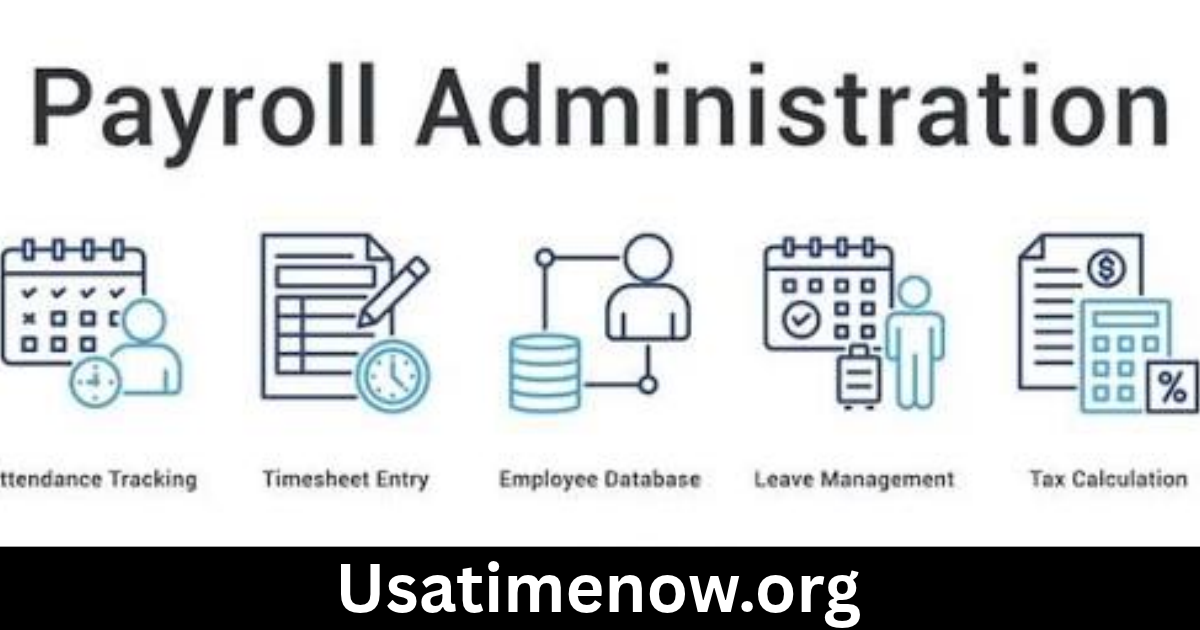
Payroll administration is an essential business function that ensures employees receive accurate and timely compensation for their work. payroll administration It involves managing employee salary information, calculating wages, processing deductions, preparing payslips, and maintaining payroll records.
An effective payroll administration system helps businesses organize their financial operations, reduce payment errors, and meet applicable employment and tax requirements. Whether a company employs a small team or manages a large workforce, proper payroll administration supports employee satisfaction and overall business productivity.
What Is Payroll Administration?
Payroll administration refers to the process of managing all activities related to employee compensation. It includes calculating salaries, tracking working hours, managing overtime, processing bonuses, handling deductions, and distributing payments.
Payroll administration is generally handled by HR departments, payroll specialists, accounting professionals, or outsourced payroll service providers.
Its primary responsibilities include:
- Maintaining employee payroll records
- Calculating salaries and hourly wages
- Tracking attendance and overtime
- Managing taxes and other deductions
- Processing bonuses and allowances
- Preparing employee payslips
- Distributing salary payments
- Maintaining payroll documentation
The main objective is to ensure that employees are paid correctly while the organization maintains accurate financial records.
Why Is Payroll Administration Important?
Effective payroll administration benefits both employees and employers.
1. Ensures Accurate Salary Payments
Employees expect to receive the correct compensation for their work. A structured payroll system helps prevent mistakes involving salary rates, overtime, bonuses, and deductions.
2. Improves Employee Satisfaction
Consistent and timely payments help build trust between employees and management. Payroll problems can create unnecessary stress and negatively affect workplace morale.
3. Supports Legal Compliance
Businesses may have legal obligations involving wage payments, tax withholding, employee benefits, overtime, and recordkeeping. Proper payroll administration helps organizations follow applicable requirements.
4. Helps Control Business Costs
Payroll is one of the largest operating expenses for many companies. Accurate payroll records allow managers to monitor labor expenses, identify spending patterns, and prepare realistic budgets.
5. Reduces Administrative Work
Standardized procedures and automated payroll tools can reduce manual calculations, paperwork, and repetitive administrative tasks.
Key Responsibilities of Payroll Administration
Payroll administration involves several important responsibilities that must be coordinated carefully.
Employee Information Management
Payroll teams maintain employee information needed for compensation processing. This may include:
- Employee names and identification details
- Job titles and departments
- Employment status
- Salary or hourly wage rates
- Bank account information
- Tax-related information
- Benefits and deduction details
Keeping this information updated helps prevent payment errors and processing delays.
Salary and Wage Calculations
Payroll administrators calculate employee earnings according to employment agreements and company policies.
Compensation may include basic salaries, hourly wages, overtime payments, bonuses, commissions, incentives, and allowances.
The calculation method depends on whether employees are salaried, hourly, commission-based, or covered by another compensation arrangement.
Attendance and Overtime Tracking
Accurate attendance records are important for calculating employee wages. Payroll teams may use timesheets, digital attendance systems, biometric devices, or workforce management software.
These records help determine regular working hours, overtime, paid leave, and unpaid absences.
Payroll Deductions
Payroll administrators calculate and process applicable deductions from employee earnings.
Depending on local regulations and employment agreements, these may include income tax, social insurance contributions, retirement contributions, insurance premiums, and other authorized deductions.
Payslip Preparation
A payslip provides employees with a breakdown of their earnings and deductions. It commonly includes gross salary, additional earnings, deductions, net pay, and payment information.
Clear payslips help employees understand how their compensation is calculated.
Salary Distribution
After payroll calculations are reviewed and approved, payments are transferred to employees through the organization’s selected payment method.
Common options include direct deposit, bank transfers, and other legally accepted payment methods.
How Does the Payroll Administration Process Work?
A reliable payroll administration process follows a consistent sequence of activities.
Step 1: Collect Employee Information
Gather employee records, salary details, attendance information, and any updates affecting compensation.
Step 2: Calculate Gross Earnings
Determine total earnings before deductions. Include regular wages, overtime, commissions, bonuses, and eligible allowances.
Step 3: Apply Payroll Deductions
Calculate applicable taxes, contributions, benefit deductions, and other authorized deductions.
Step 4: Determine Net Pay
Subtract total deductions from gross earnings.
Net Pay = Gross Pay − Total Deductions
For example, if an employee earns $3,200 in gross wages and has $600 in deductions, the net payment is:
$3,200 − $600 = $2,600
Step 5: Review and Approve Payroll
Authorized personnel should verify salary calculations, overtime records, deductions, and employee changes before processing payments.
Step 6: Distribute Employee Payments
Once approved, salaries are distributed according to the organization’s payroll schedule.
Step 7: Maintain Payroll Records
Store payslips, payment confirmations, attendance records, deduction information, and other relevant documents securely.
Essential Payroll Administration Skills
Payroll administrators need a combination of technical knowledge, organizational abilities, and communication skills.
Attention to Detail
Payroll calculations involve financial information, so accuracy is essential. Small mistakes can result in incorrect payments or reporting problems.
Mathematical Skills
Payroll professionals must understand basic calculations involving wages, overtime, bonuses, deductions, and percentages.
Knowledge of Employment Regulations
Understanding applicable wage laws, tax requirements, and employment policies helps payroll administrators manage their responsibilities correctly.
Communication Skills
Payroll administrators regularly communicate with employees, HR professionals, managers, accountants, and external service providers.
Technical Skills
Familiarity with spreadsheets, payroll software, HR management systems, and accounting tools can improve efficiency and accuracy.
Confidentiality
Payroll records contain sensitive personal and financial information. Administrators must protect this information and follow organizational data security policies.
Common Payroll Administration Challenges
Even experienced payroll teams can encounter administrative difficulties.
Incorrect Employee Records
Outdated bank details, incorrect salary information, or missing employee documentation can cause payment errors.
Solution: Review employee records regularly and establish a clear process for updating information.
Complex Payroll Regulations
Tax rules, wage requirements, and reporting obligations can vary between countries and change over time.
Solution: Monitor relevant regulatory updates and consult qualified payroll or tax professionals when necessary.
Attendance Tracking Problems
Incomplete timesheets and inaccurate working-hour records can affect salary and overtime calculations.
Solution: Use reliable attendance systems and establish clear approval procedures.
Missed Payroll Deadlines
Late submissions and delayed approvals can interrupt payroll processing.
Solution: Create a payroll calendar with clear deadlines for information collection, review, and payment.
Data Security Risks
Payroll information can be a target for unauthorized access and misuse.
Solution: Use secure payroll platforms, restrict access to authorized personnel, and maintain appropriate data protection procedures.
How Payroll Software Improves Payroll Administration
Payroll software helps organizations automate many routine administrative tasks.
Automated Payroll Calculations
Software can calculate wages, overtime, deductions, and net salaries using configured payroll rules.
Faster Payment Processing
Automated workflows help payroll teams process employee payments more efficiently.
Employee Self-Service Portals
Some platforms allow employees to access payslips, review payroll information, and update permitted personal details.
Improved Reporting
Payroll systems can generate reports covering labor expenses, salary payments, deductions, and payroll trends.
Better Recordkeeping
Digital systems organize payroll information and make it easier to retrieve documents when needed. Businesses should still maintain suitable security controls and review records regularly.
Best Practices for Effective Payroll Administration
Organizations can improve their payroll operations by following these practical guidelines:
- Maintain accurate records: Keep employee details, salary rates, and banking information updated.
- Establish a payroll calendar: Set clear deadlines for payroll preparation, review, approval, and payment.
- Use reliable payroll software: Choose technology that meets the organization’s workforce and reporting needs.
- Review calculations before payment: Check unusual salary changes, overtime, and deductions.
- Protect confidential information: Apply secure storage and access controls.
- Train payroll employees: Provide ongoing training in payroll procedures and relevant regulations.
- Conduct regular audits: Review payroll records to identify mistakes and improve internal controls.
- Communicate clearly: Give employees information about payment schedules, payslips, and payroll support.
Payroll Administration vs. Payroll Management
Payroll administration and payroll management are closely related, but they have slightly different focuses.
Payroll administration generally involves the day-to-day operational activities of processing employee compensation, maintaining records, and distributing payments.
Payroll management has a broader focus. It includes planning payroll operations, monitoring labor costs, evaluating payroll systems, managing compliance risks, and improving compensation processes.
Both functions work together to ensure an organization’s payroll operations remain accurate and efficient.
FAQs About Payroll Administration
1. What does a payroll administrator do?
A payroll administrator manages employee compensation records, calculates wages, processes deductions, prepares payslips, distributes payments, and maintains payroll documentation.
2. What qualifications are needed for payroll administration?
Requirements vary by employer. Many positions prefer education or experience in accounting, finance, business administration, or human resources, along with knowledge of payroll software.
3. Is payroll administration part of HR?
Yes. Payroll administration is often managed within the HR department, although some organizations assign it to accounting or finance teams.
4. What software is used for payroll administration?
Businesses use payroll platforms, accounting software, spreadsheets, and integrated HR management systems. The best option depends on company size and payroll complexity.
5. What is the difference between gross pay and net pay?
Gross pay is an employee’s total earnings before deductions. Net pay is the remaining amount after applicable deductions.
6. How often should payroll records be updated?
Employee payroll information should be updated whenever relevant changes occur. Organizations should also conduct regular reviews to maintain accuracy.
7. Can payroll administration be outsourced?
Yes. Businesses can hire external payroll service providers to handle calculations, payment processing, and documentation. Employers should still oversee the service and remain responsible for their applicable obligations.
Conclusion
Payroll administration is a vital business function that ensures employees receive accurate compensation while helping organizations maintain organized financial operations. From managing employee information and payroll administration calculating salaries to processing deductions and preparing payroll reports, every responsibility requires accuracy and consistency. By using reliable payroll software, maintaining updated records, training payroll staff, and following clear procedures, businesses can reduce administrative errors and improve efficiency. Effective payroll administration ultimately supports employee satisfaction, financial stability, and long-term organizational success.