

Table of Contents
Employee incentives are an effective way for businesses to motivate their workforce, recognize achievements, and improve overall performance. When employees feel that their efforts are valued, they are often more engaged, committed, and willing to contribute to organizational goals. From financial rewards to flexible schedules and professional development opportunities, the right employee incentives can help companies build a positive workplace culture while making better use of productivity time.
Understanding how employee incentives work allows employers to design reward programs that benefit both employees and the organization.
What Are Employee Incentives?
Employee incentives are rewards, benefits, or recognition programs designed to encourage employees to achieve specific goals or demonstrate desirable workplace behaviors. These incentives can reward individual performance, team collaboration, attendance, innovation, customer service, or business results.
Organizations use employee incentive programs to improve motivation, encourage high-quality work, and retain valuable staff members. Incentives may be offered regularly, such as monthly performance bonuses, or occasionally, such as rewards for completing a major project.
An effective incentive program connects employee contributions with meaningful rewards. However, incentives should be fair, transparent, and aligned with realistic expectations.
Why Are Employee Incentives Important?
Employee incentives can influence workplace behavior and help organizations create an environment where employees feel appreciated. Although rewards alone cannot solve every workplace problem, they can support a broader strategy that includes good management, fair compensation, and opportunities for career growth.
Improving Employee Motivation
Employees may feel more motivated when they understand how their efforts contribute to organizational success. Incentives provide additional recognition for meeting goals, solving problems, and delivering strong results.
For example, a sales team might receive bonuses for achieving realistic revenue targets, while a customer service team might receive recognition for maintaining high service quality. The reward should encourage meaningful performance rather than unnecessary competition.
Increasing Workplace Productivity
Well-designed employee incentives can encourage employees to organize their work, prioritize important tasks, and meet deadlines. When performance expectations are clear, employees can better understand which activities contribute to business objectives.
However, employers should avoid rewarding speed alone. Incentive programs that ignore accuracy, safety, or customer satisfaction can encourage rushed work and reduce overall quality.
Supporting Employee Retention
Employees who feel recognized and fairly rewarded may be more likely to remain with their employer. Incentives such as professional development funding, additional paid leave, and performance bonuses can make the workplace more attractive.
Retention also depends on factors such as leadership quality, workload, compensation, and career opportunities. Incentives work best when combined with a supportive working environment.
7 Types of Employee Incentives That Improve Productivity
Businesses can choose from several types of employee incentives depending on their budget, workforce, and organizational goals.
1. Financial Incentives
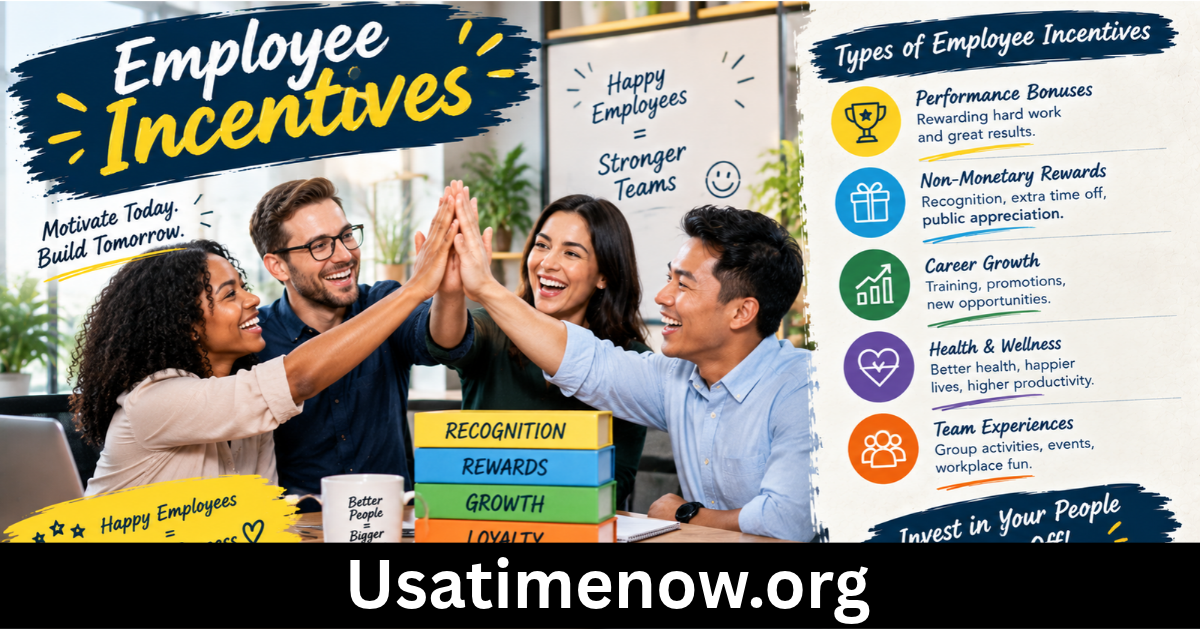
Financial incentives provide monetary rewards for achieving specific results or meeting agreed performance standards. Common examples include performance bonuses, sales commissions, profit-sharing plans, and project completion bonuses.
These rewards can be useful when employees have clear goals and can reasonably influence the outcomes being measured. Employers should explain how bonuses are calculated and ensure that incentive payments comply with applicable employment and wage laws.
2. Employee Recognition Programs
Recognition programs celebrate employees who demonstrate valuable skills, teamwork, leadership, or consistent performance. Recognition may include employee-of-the-month awards, appreciation certificates, public acknowledgment, or personalized messages from managers.
Recognition does not always require a large budget. A sincere and timely acknowledgment can help employees understand that their contributions matter.
3. Flexible Working Arrangements
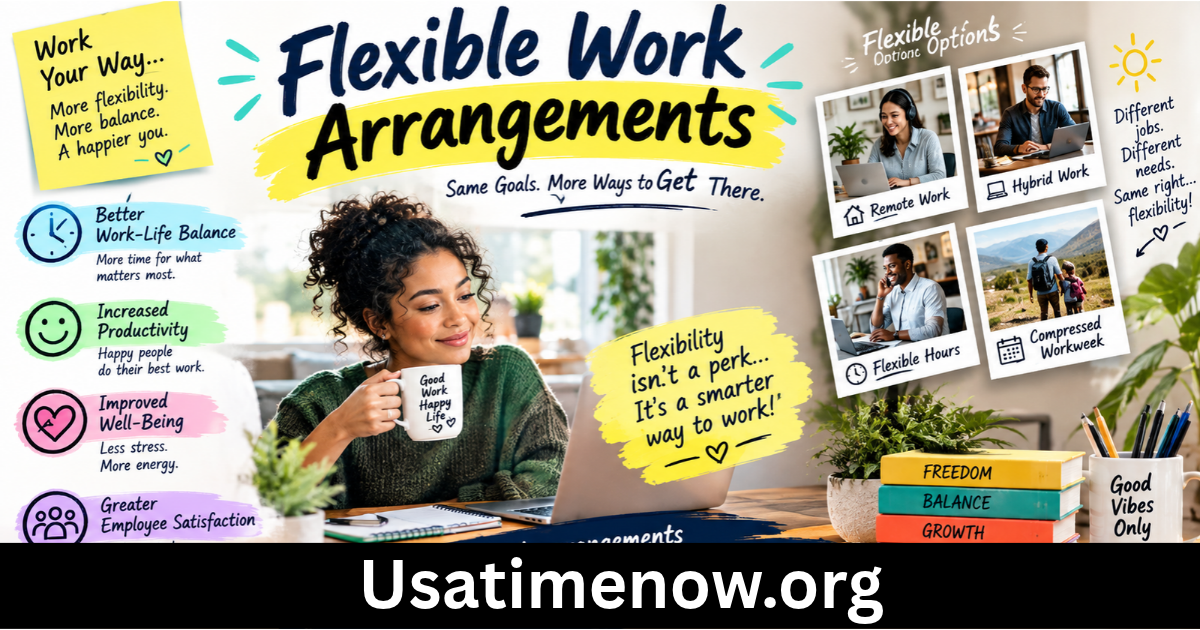
Flexible schedules and remote work options can be valuable nonfinancial incentives. When suitable for the role, employees may appreciate greater control over when and where they complete their work.
Flexibility can support work-life balance and reduce commuting time. Employers should establish clear expectations for communication, availability, performance, and collaboration so flexibility benefits both employees and the business.
4. Professional Development Opportunities
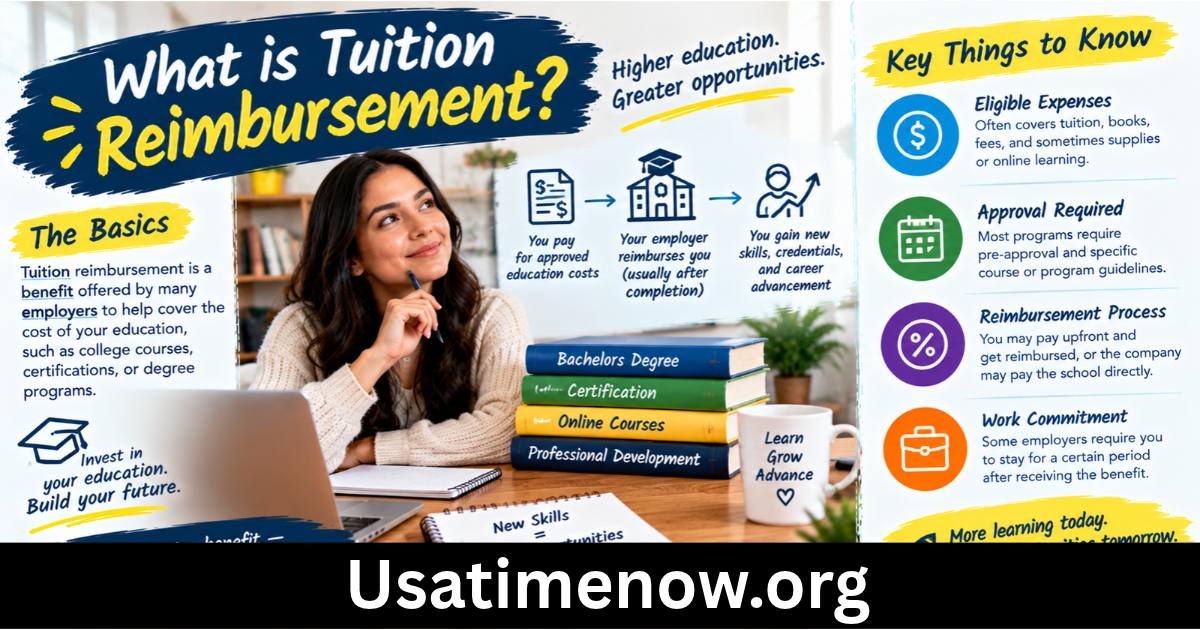
Training courses, certifications, mentorship programs, and conference attendance can encourage employees to improve their skills. These opportunities also help organizations develop internal talent and prepare employees for future responsibilities.
Professional development is particularly valuable when employees want career advancement but lack access to relevant training or learning resources.
5. Additional Paid Time Off
Extra paid leave can reward strong performance while helping employees maintain a healthy balance between work and personal responsibilities. For example, a company might offer an additional day off after a demanding project, provided the arrangement complies with applicable policies and laws.
Employers should ensure that time-off incentives do not create pressure to work excessive hours before receiving a reward.
6. Team-Based Rewards
Team incentives recognize shared accomplishments, such as completing a project on schedule, improving customer satisfaction, or achieving a department-wide quality target.
These rewards can encourage collaboration and reduce competition between colleagues. To keep the program fair, organizations should define team goals clearly and consider whether employees have sufficient resources and influence to achieve them.
7. Wellness and Lifestyle Benefits
Wellness incentives may include gym subsidies, mental wellness resources, healthy meal options, or access to employee assistance programs. Other lifestyle benefits might include transportation support or childcare assistance.
Such benefits can help address practical challenges that affect employee satisfaction and attendance. Employers should select options that meet their workforce’s actual needs rather than assuming that every employee values the same benefits.
How Employee Incentives Affect Productivity Time
Productivity time refers to the time employees spend performing useful activities that contribute to work objectives. Employee incentives can support better use of this time by reinforcing priorities and encouraging consistent performance.
For example, a company may recognize employees who complete projects accurately, meet deadlines, and collaborate effectively. This approach encourages employees to focus on both efficiency and quality.
Employers can also use incentives to support process improvements. Employees who suggest practical ways to reduce unnecessary administrative work or improve team coordination may receive recognition for their contributions.
Nevertheless, productivity should not be measured only by the number of hours worked or tasks completed. Employers should consider output quality, customer outcomes, teamwork, safety, and employee well-being.
A successful incentive program encourages sustainable performance rather than long working hours or unhealthy competition.
How to Create an Effective Employee Incentive Program
Developing an employee incentive program requires clear objectives, thoughtful reward selection, and regular evaluation.
Set Clear and Measurable Goals
Identify the behavior or result the organization wants to encourage. Goals might include improving product quality, reducing avoidable errors, increasing customer satisfaction, or completing projects on time.
Use measures that employees can understand and reasonably influence. Avoid targets that encourage shortcuts or penalize employees for circumstances outside their control.
Understand Employee Preferences
Different employees value different rewards. Some may prefer financial bonuses, while others appreciate flexible schedules, additional leave, recognition, or learning opportunities.
Employers can gather feedback through employee surveys, meetings, or anonymous suggestions. This helps create an incentive program that feels relevant and useful.
Establish Fair Eligibility Rules
Explain who qualifies for rewards, how performance will be measured, and when incentives will be distributed. Consistent criteria help reduce confusion and perceptions of favoritism.
Managers should apply the rules fairly and provide employees with opportunities to ask questions about their results.
Monitor Results and Make Improvements
Evaluate whether the program is improving the intended outcomes. Relevant measures may include employee engagement, retention, customer satisfaction, work quality, and project completion rates.
Review the program periodically and adjust rewards when business priorities or employee needs change.
Common Mistakes to Avoid With Employee Incentives
One common mistake is rewarding quantity without considering quality. Employees may rush tasks to meet numerical targets, resulting in more errors or dissatisfied customers.
Another mistake is creating unrealistic goals. Targets that employees consider impossible can reduce motivation instead of improving it.
Employers should also avoid offering rewards inconsistently. If similar contributions receive different treatment without a clear explanation, employees may lose trust in the program.
Finally, incentives should not replace fair wages, respectful leadership, adequate staffing, or manageable workloads. A reward program cannot compensate for an unhealthy workplace culture.
Frequently Asked Questions
1. What are the most common employee incentives?
Common employee incentives include performance bonuses, sales commissions, recognition awards, flexible schedules, additional paid leave, professional development, and team rewards.
2. Do employee incentives increase productivity?
They can improve productivity when rewards are connected to meaningful goals and employees have the resources needed to succeed. Results depend on program design, workplace conditions, and the needs of employees.
3. What is the difference between financial and nonfinancial incentives?
Financial incentives provide monetary rewards, such as bonuses and commissions. Nonfinancial incentives include recognition, flexible work arrangements, professional development, and additional time off.
4. How can small businesses reward employees on a limited budget?
Small businesses can offer personalized appreciation, public recognition with employee consent, mentoring opportunities, flexible schedules where practical, and additional responsibility with appropriate support.
5. How often should employee incentives be offered?
The frequency depends on the goal. Immediate recognition may suit daily achievements, while performance bonuses may be offered monthly, quarterly, or annually. The schedule should be consistent and clearly communicated.
6. How can employers measure the success of an incentive program?
Employers can compare performance before and after implementation, review employee feedback, and monitor indicators such as work quality, retention, customer satisfaction, and achievement of business goals.
7. Can employee incentives improve employee retention?
Yes, relevant and fairly administered incentives can contribute to job satisfaction and retention. However, employees also consider salary, career growth, management, workplace culture, and work-life balance.
Conclusion
Employee incentives can be a valuable tool for improving motivation, recognizing contributions, and supporting workplace productivity. employee incentives Financial rewards, employee recognition, flexible schedules, professional development, and team-based benefits offer different ways to encourage meaningful performance. The most effective employee incentive programs are fair, transparent, and connected to realistic business goals. By understanding employee preferences, measuring outcomes, and protecting work-life balance, organizations can make better use of productivity time while creating a workplace where employees feel valued and motivated to succeed.