



Table of Contents
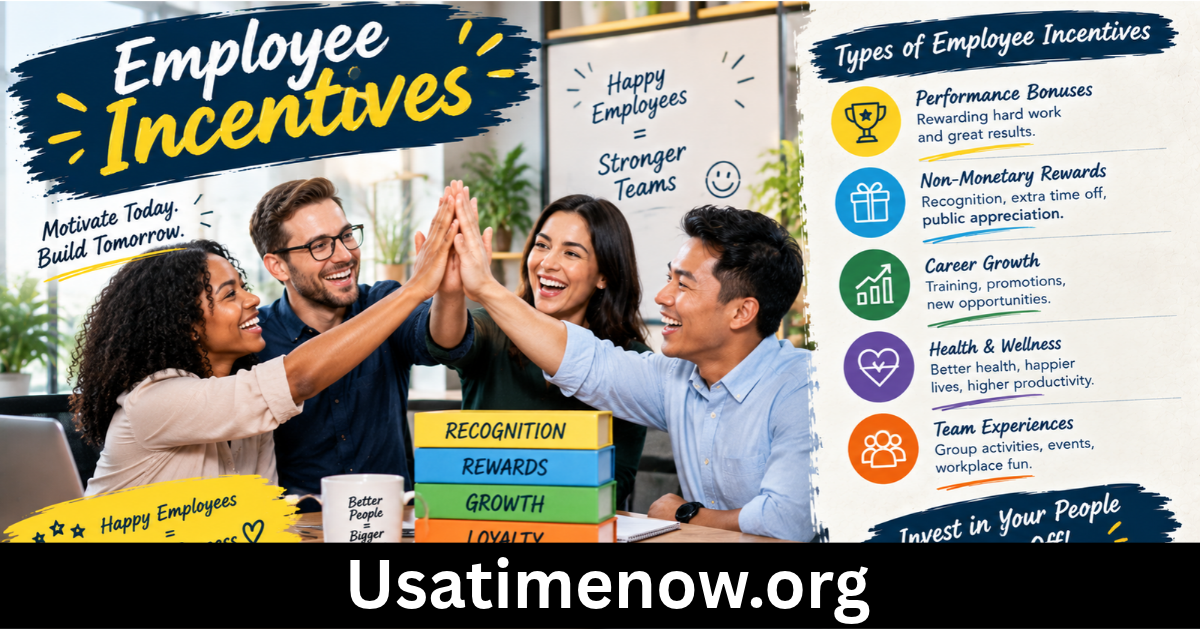
Employee incentives are rewards or benefits that organizations offer to encourage positive workplace behavior, recognize achievements, and support business goals. employee incentives They can include financial rewards, additional time off, professional development opportunities, public recognition, and other benefits that make employees feel valued. A well-designed employee incentive program can improve motivation, strengthen workplace culture, and encourage people to perform at their best.
Businesses use employee incentives to recognize individual contributions and team achievements. However, successful programs are not simply about giving rewards. They should connect employee efforts with meaningful goals, remain fair and transparent, and reflect what workers genuinely value.
What Are Employee Incentives?
Employee incentives are rewards or recognition provided by employers to encourage employees to achieve specific objectives or demonstrate desirable workplace behaviors. They may be offered to individuals, teams, or entire departments.
For example, a company might provide a performance bonus to an employee who meets an agreed target, offer additional paid leave to recognize outstanding contributions, or organize a team reward after completing an important project.
Employee incentives can be part of a broader employee engagement and performance management strategy. Their purpose is to recognize effort, encourage improvement, and create a positive connection between employee contributions and organizational success.
Types of Employee Incentives
Organizations can choose from different types of employee incentives depending on their budgets, workplace culture, and business objectives.
1. Financial Incentives
Financial incentives provide employees with monetary rewards for meeting specific performance goals or contributing to business success.
Common examples include:
- Performance bonuses.
- Sales commissions.
- Profit-sharing arrangements.
- Project completion bonuses.
- Referral bonuses.
- Merit-based salary increases.
Financial incentives can be useful when employees have clear, measurable goals. However, employers should establish realistic targets and explain how rewards are calculated.
2. Non-Financial Incentives
Non-financial incentives recognize employees without providing direct cash payments. These rewards can improve workplace satisfaction and help employees feel appreciated.
Examples include:
- Public recognition.
- Employee appreciation awards.
- Flexible working arrangements.
- Additional time off.
- Professional development opportunities.
- Career advancement opportunities.
- Personalized thank-you messages.
For some employees, recognition, flexibility, and opportunities to learn may be as meaningful as financial rewards.
3. Team-Based Incentives
Team-based incentives reward groups of employees for achieving shared objectives. They encourage cooperation and help employees understand the importance of collective performance.
For example, a customer support department might receive a team reward after improving service quality while maintaining agreed performance standards.
Team incentives work best when goals require collaboration and individual contributions can be recognized fairly.
4. Performance-Based Incentives
Performance-based incentives connect rewards with measurable results or agreed expectations. They are commonly used in sales, customer service, operations, and project management.
A business might reward employees for meeting quality standards, completing projects on schedule, improving customer satisfaction, or reaching realistic productivity targets.
Performance measures should be balanced. Focusing on one number without considering quality, safety, or customer experience can encourage unwanted behavior.
5. Career Development Incentives
Career development incentives support employees who want to improve their skills and advance professionally.
These may include:
- Training courses.
- Professional certifications.
- Mentoring programs.
- Conference attendance.
- Tuition assistance.
- Leadership development programs.
Investing in employee development can benefit both workers and organizations by strengthening skills and preparing employees for future responsibilities.
Benefits of Employee Incentive Programs
A well-planned employee incentive program can support several important workplace objectives.
Improves Employee Motivation
Recognizing effort and achievement can encourage employees to stay focused on their responsibilities. Clear rewards can also help workers understand which behaviors and results the organization values.
Supports Employee Engagement
Employees who feel appreciated may develop a stronger connection with their work and organization. Recognition programs can provide regular opportunities to celebrate meaningful contributions.
Encourages Better Performance
Incentives linked to realistic goals can encourage employees to improve their skills, meet deadlines, and maintain quality standards.
Helps Attract and Retain Talent
Competitive compensation and meaningful workplace benefits can make an organization more attractive to job candidates. Recognition and development opportunities may also contribute to employee retention.
Strengthens Teamwork
Shared rewards can encourage employees to collaborate, communicate, and support colleagues. Team incentives are particularly useful when success depends on cooperation across departments.
Employee Incentive Examples for Different Workplaces
The most effective incentives depend on the type of work employees perform. Here are practical examples across different business environments.
Sales Teams
Sales organizations may offer commissions, achievement bonuses, or rewards for reaching realistic revenue targets. Programs should also consider customer satisfaction and ethical sales practices.
Customer Service Departments
Customer support employees might receive recognition for positive customer feedback, helpful problem-solving, or consistent service quality.
Remote Employees
Remote teams can benefit from virtual recognition events, flexible schedules, professional development budgets, and digital gift cards where appropriate.
Manufacturing and Operations Teams
Employers may recognize teams for meeting quality standards, improving processes, reducing avoidable waste, or maintaining strong safety practices. Incentives should never encourage employees to ignore safety procedures.
Office-Based Employees
Office teams may appreciate additional leave, learning opportunities, flexible work arrangements, achievement awards, or team celebrations.
How to Create an Effective Employee Incentive Program
An effective incentive program should be easy to understand, fair to employees, and connected to organizational priorities. Businesses can follow these steps when developing one.
1. Identify Your Objectives
Start by deciding what the program should achieve. Possible objectives include improving customer service, recognizing teamwork, supporting employee development, or encouraging productivity.
Clear objectives help organizations select appropriate rewards and measure results.
2. Understand Employee Preferences
Different employees value different rewards. Some may prefer financial bonuses, while others may appreciate flexible working hours, additional leave, or training opportunities.
Employers can use employee surveys, feedback sessions, and manager discussions to understand what workers find meaningful.
3. Set Clear and Measurable Criteria
Employees should know how they can qualify for an incentive. Explain the targets, eligibility requirements, evaluation period, and reward details before the program begins.
Avoid unclear standards that allow decisions to appear inconsistent or unfair.
4. Choose Appropriate Rewards
Select incentives that match employee preferences and the organization’s budget. A reward does not always need to be expensive. Timely recognition and genuine appreciation can also have a positive effect.
5. Communicate the Program
Explain the incentive program through employee meetings, internal announcements, or the company handbook. Managers should be prepared to answer questions and clarify expectations.
6. Monitor and Improve Results
Review participation, employee feedback, performance measures, and program costs. If an incentive creates unhealthy competition or fails to achieve its purpose, adjust the design.
Regular evaluation helps ensure that the program remains useful as business needs change.
Common Mistakes to Avoid in Employee Incentive Programs
Poorly designed incentives can create confusion, frustration, or unintended workplace behavior. Employers should avoid these common problems:
- Setting unrealistic performance targets.
- Rewarding quantity while ignoring quality.
- Using unclear eligibility requirements.
- Recognizing only a small group of employees repeatedly.
- Ignoring teamwork and collaboration.
- Offering rewards employees do not value.
- Failing to explain how decisions are made.
- Ignoring applicable tax, payroll, and employment requirements.
Fairness is especially important. Employees should have a reasonable opportunity to understand and achieve the standards used to determine rewards.
How to Measure the Success of Employee Incentives
Businesses should evaluate incentive programs using more than one performance indicator. Depending on the program’s objectives, useful measures may include:
- Employee participation rates.
- Progress toward performance targets.
- Customer satisfaction results.
- Employee engagement survey responses.
- Staff turnover and retention trends.
- Quality and productivity measures.
- Program costs compared with business outcomes.
Employers should also collect feedback from employees and managers. Quantitative results can show what changed, while employee feedback may explain why the program worked or where improvements are needed.
Frequently Asked Questions About Employee Incentives
1. What are employee incentives?
Employee incentives are financial or non-financial rewards offered by employers to recognize achievements, encourage positive behavior, and support workplace goals.
2. What are the most common types of employee incentives?
Common types include performance bonuses, commissions, public recognition, additional leave, flexible schedules, professional development, and team rewards.
3. Do employee incentives improve productivity?
They can encourage employees to focus on specific goals and improve performance. However, results depend on fair reward criteria, realistic targets, effective management, and employee preferences.
4. What is the difference between employee incentives and employee benefits?
Employee incentives are generally designed to recognize or encourage particular achievements or behaviors. Employee benefits are broader forms of compensation and support, such as health coverage, retirement plans, and paid leave. Some rewards may overlap depending on the employer’s program.
5. Are employee incentives taxable?
Tax treatment depends on the country and the type of reward. In the United States, many cash bonuses and certain non-cash awards are taxable, although specific exceptions may apply. Employers should follow the relevant payroll and tax rules.
6. How often should companies offer employee incentives?
The frequency depends on the program’s purpose. Some organizations provide monthly recognition, quarterly performance rewards, or annual achievement awards. The schedule should allow enough time for meaningful performance and evaluation.
7. What makes an employee incentive program successful?
Successful programs have clear objectives, fair eligibility criteria, meaningful rewards, transparent communication, and regular evaluation. They should recognize quality, teamwork, and responsible performance rather than focusing only on numbers.
Conclusion
Employee incentives are valuable tools for recognizing contributions, encouraging positive workplace behavior, and supporting organizational goals. From financial bonuses and team rewards to professional development and flexible working arrangements, businesses have many ways to make employees feel appreciated. employee incentives The most effective employee incentive programs are fair, transparent, and based on meaningful objectives. By understanding employee preferences, communicating expectations clearly, and reviewing results regularly, organizations can create reward systems that support motivation, engagement, and long-term workplace success.