

Table of Contents
Introduction
Contract to hire is a flexible employment arrangement that allows companies to evaluate employees before offering permanent positions. contract to hire It also gives job seekers an opportunity to gain experience, understand workplace expectations, and determine whether a company is the right fit for their career goals.
As businesses look for efficient hiring strategies, contract-to-hire jobs have become a useful option for managing workforce needs. This hiring model can help employers assess skills, reduce recruitment uncertainty, and maintain productivity during periods of changing demand.
In this guide, we explain what contract to hire means, how the process works, its advantages and disadvantages, and what employees should consider before accepting a contract-to-hire position.
What Is Contract to Hire?
Contract to hire is an employment arrangement in which a person initially works for a company on a temporary contract, with the possibility of becoming a permanent employee later.
The initial contract may last several months, depending on the employer’s requirements, the nature of the position, and the agreement between the parties.
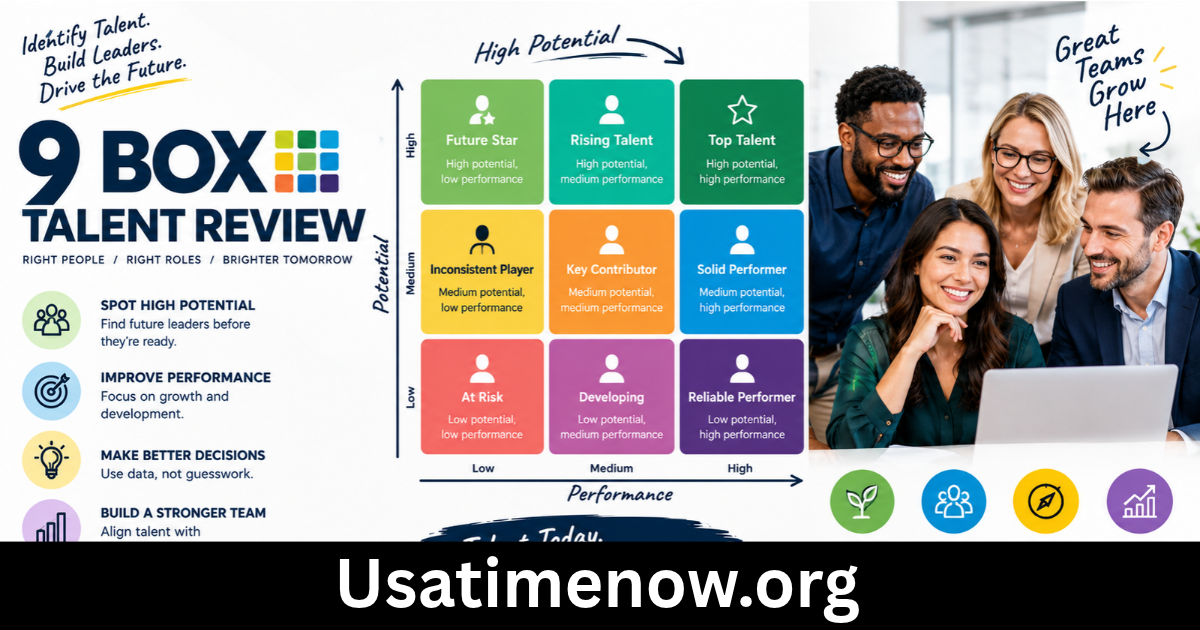
During this period, the employer evaluates the worker’s performance, skills, reliability, and suitability for the role. At the same time, the employee can assess the company’s culture, management style, and career opportunities.
If both parties are satisfied and a permanent position is available, the employer may offer full-time or another form of ongoing employment.
However, a contract-to-hire position does not automatically guarantee permanent employment. Conversion depends on the contract terms, business needs, performance, and applicable employment laws.
How Does Contract to Hire Work?
The contract-to-hire process generally involves several stages, from recruitment to a possible permanent job offer.
1. Recruitment and Candidate Selection
Employers advertise contract-to-hire positions directly or work with staffing agencies to identify qualified candidates.
Applicants typically complete interviews, skills assessments, and other relevant hiring procedures.
2. Temporary Employment Agreement
Once selected, the candidate signs an agreement outlining the assignment’s duration, compensation, responsibilities, working hours, and other relevant conditions.
Some workers are employed by a staffing agency and assigned to a client company. Others may be hired directly under a fixed-term arrangement.
3. Performance Evaluation
During the contract period, managers assess the employee’s work quality, productivity, communication, and ability to meet expectations.
Employees also gain firsthand experience with the workplace and can evaluate whether the position aligns with their professional goals.
4. Contract Review
As the contract approaches its end, the employer reviews staffing requirements, available budgets, and the worker’s performance.
The organization may decide to offer permanent employment, extend the assignment where permitted, or conclude the working relationship.
5. Permanent Employment Offer
If the employer offers a permanent position and the employee accepts, the parties complete the required employment documentation.
Compensation, benefits, job responsibilities, and other conditions may change when the employee transitions to permanent status.
How Long Does a Contract-to-Hire Position Last?
Contract-to-hire assignments commonly last between three and six months, although shorter and longer arrangements also exist.
The actual duration depends on the role, industry, project requirements, and employer policies.
For example, a technology company may hire a software developer on a six-month contract to evaluate technical performance before considering permanent employment.
Similarly, an accounting firm may use a three-month assignment to assess a candidate’s ability to manage reporting responsibilities and meet deadlines.
Candidates should confirm the expected contract duration and whether an extension is possible before accepting an offer.
Contract to Hire vs. Direct Hire
Contract to hire and direct hire are two different recruitment approaches.
| Feature | Contract to Hire | Direct Hire |
|---|---|---|
| Employment arrangement | Temporary initially, with possible conversion | Ongoing employment from the start |
| Evaluation period | Contract assignment | Regular onboarding and applicable probationary processes |
| Job security | Permanent employment is not guaranteed | Ongoing role, subject to employment terms |
| Benefits | Depend on employer, agency, and applicable law | Depend on employer policy and applicable law |
| Hiring flexibility | Allows evaluation before conversion | Fills an ongoing position directly |
Neither approach is automatically better. The appropriate choice depends on organizational needs and employee preferences.
Contract to Hire vs. Temporary Employment
Although both arrangements involve limited-duration work, their objectives may differ.
Temporary employment is often used to address short-term staffing shortages, seasonal demand, or specific projects.
Contract-to-hire employment includes the possibility of transitioning into a permanent role after an evaluation period.
However, a potential conversion is not a promise of employment unless the applicable agreement explicitly establishes enforceable obligations.
Benefits of Contract to Hire for Employers
Evaluate Employees Before Permanent Hiring
Contract-to-hire arrangements give employers an opportunity to observe candidates performing actual job responsibilities.
This can provide more practical information than interviews alone.
Improve Hiring Flexibility
Organizations can adjust staffing arrangements according to business requirements and available positions, subject to contractual and legal obligations.
This flexibility can be useful during expansion, organizational changes, or uncertain demand.
Support Workplace Productivity
Contract employees can contribute to ongoing projects while employers assess their long-term suitability.
When expectations and onboarding processes are clear, this arrangement may help teams maintain productivity.
Assess Team Compatibility
Managers can observe how employees communicate, collaborate, respond to feedback, and work with existing teams.
This may help employers make more informed decisions about permanent hiring.
Benefits of Contract-to-Hire Jobs for Employees
Opportunity for Permanent Employment
A contract-to-hire position can provide a pathway to a permanent role.
Employees may demonstrate their capabilities through actual work rather than relying exclusively on interviews.
Gain Professional Experience
Contract assignments allow workers to develop job-related skills, work with new technologies, and gain experience in different organizational environments.
This experience can strengthen a resume even if the assignment does not lead to permanent employment.
Evaluate Company Culture
Employees can observe workplace expectations, management practices, and team relationships before deciding whether they want to remain with the organization.
Expand Professional Connections
Working on a contract assignment can help employees build relationships with managers, colleagues, and industry professionals.
These connections may support future career opportunities.
Disadvantages of Contract-to-Hire Employment
Despite its advantages, contract-to-hire employment also involves potential challenges.
Uncertainty About Permanent Employment
The biggest concern for many employees is the lack of a guaranteed permanent position.
Even strong performance may not lead to conversion if the employer experiences budget restrictions or changing staffing needs.
Differences in Employee Benefits
Depending on the employment arrangement and jurisdiction, contract workers may receive different benefits from permanent employees.
Candidates should review health coverage, paid leave, retirement benefits, and other employment conditions carefully.
Potential Income Instability
If an assignment ends without a permanent offer or extension, employees may need to search for another position.
Maintaining emergency savings and continuing professional networking can help manage this uncertainty.
Additional Hiring and Training Costs
Employers may face repeated recruitment and onboarding expenses if contract employees leave or are not converted.
Clear expectations and effective training can help reduce avoidable turnover.
Tips for Succeeding in a Contract-to-Hire Job
Employees can improve their experience by approaching the assignment with professionalism and clear career goals.
Understand the Contract Terms
Before starting, review the assignment duration, compensation, working hours, reporting relationships, and termination conditions.
Ask whether permanent conversion is possible and what factors influence that decision.
Set Clear Performance Expectations
Discuss goals and success measures with your manager early in the assignment.
Understanding priorities makes it easier to focus on meaningful work and demonstrate results.
Maintain Consistent Productivity
Complete assignments on time, communicate progress, and take responsibility for your work.
Consistency can help managers evaluate your reliability and contribution to the team.
Build Positive Workplace Relationships
Collaborate with colleagues, respond constructively to feedback, and maintain professional communication.
Strong working relationships can improve the overall contract experience.
Discuss Long-Term Opportunities
If permanent employment is your goal, communicate your interest at an appropriate time.
Ask your manager about the conversion process and whether additional skills or achievements are expected.
Questions to Ask Before Accepting a Contract-to-Hire Position
Before accepting an offer, candidates should clarify important employment details.
Useful questions include:
- How long is the initial contract?
- Who will be my legal employer during the assignment?
- What are the salary, payment schedule, and benefits?
- What criteria determine eligibility for permanent employment?
- How often will my performance be reviewed?
- Can the contract be extended or ended early?
- What happens if a permanent position is not available?
Understanding these details can help candidates make informed decisions and avoid misunderstandings.
Is Contract to Hire Worth It?
A contract-to-hire position may be worthwhile for employees who want to gain experience, enter a new industry, or explore an organization before making a longer-term commitment.
It may also appeal to job seekers who are comfortable with temporary arrangements and interested in potential permanent opportunities.
However, candidates who prioritize predictable employment and immediate access to certain benefits may prefer direct-hire positions.
The decision should reflect individual financial circumstances, career objectives, and the specific contract terms.
Frequently Asked Questions About Contract to Hire
1. What does contract to hire mean?
Contract to hire means an employee initially works under a temporary contract with the possibility of receiving a permanent job offer after the assignment.
2. Is contract to hire the same as permanent employment?
No. Contract-to-hire employment begins as a temporary arrangement. Permanent employment may be offered later, but conversion is not guaranteed.
3. How long is a typical contract-to-hire job?
Many contract-to-hire assignments last approximately three to six months. However, the duration varies depending on the employer, position, and agreement.
4. Do contract-to-hire employees receive benefits?
They may receive benefits, but eligibility depends on the staffing agency or employer, the contract terms, and applicable employment laws.
5. Can a contract-to-hire employee leave before the contract ends?
Possibly. The employee’s ability to leave and any required notice depend on the agreement and applicable law. Reviewing the termination provisions before resigning is important.
6. What happens if a contract-to-hire job does not become permanent?
The assignment may end, or the employer may offer an extension if permitted and mutually agreed upon. The employee may then pursue other employment opportunities.
7. Is contract to hire better than direct hire?
Neither option is universally better. Contract to hire offers flexibility and an opportunity to evaluate the workplace, while direct hire provides an ongoing position from the beginning.
Conclusion
Contract to hire is a flexible employment model that allows employers and employees to evaluate a working relationship before considering permanent employment. contract to hire For businesses, it can support informed hiring decisions, workforce flexibility, and productivity. For employees, it offers opportunities to gain experience, demonstrate skills, and explore potential long-term career paths. However, contract-to-hire arrangements also involve uncertainty, especially regarding permanent employment and benefits.