


Table of Contents
A well-organized employee onboarding process helps new hires feel welcome, understand their responsibilities, and become productive more quickly. employee onboarding checklist Without a clear plan, important steps such as completing paperwork, setting up equipment, and introducing company policies can easily be overlooked.
An employee onboarding checklist gives HR teams, managers, and business owners a structured way to guide employees through their first days, weeks, and months. This guide covers the essential onboarding tasks, from preboarding to the first 90 days, to help create a smooth and positive experience.
What Is an Employee Onboarding Checklist?
An employee onboarding checklist is a list of tasks that an organization completes when welcoming a new employee. It helps ensure that administrative requirements, training activities, workplace introductions, and role expectations are addressed consistently.
A typical onboarding checklist includes:
- Preparing employment documents and contracts
- Setting up computers, software, and access credentials
- Explaining company policies and procedures
- Introducing the employee to colleagues and managers
- Providing job-specific training
- Scheduling performance check-ins
A checklist also helps HR professionals track progress and confirm that nothing important is missed.
Why Is an Employee Onboarding Checklist Important?
A structured onboarding process benefits both employees and employers. It creates a consistent experience and helps new team members understand how the organization operates.
1. Creates a Positive First Impression
The onboarding experience often shapes an employee’s first impression of a company. A welcoming and organized process shows that the organization values its people.
2. Improves Employee Productivity
When employees receive the right tools, training, and instructions, they can begin performing their responsibilities with greater confidence.
3. Reduces Confusion
New hires may have questions about workplace policies, reporting structures, schedules, and job expectations. An onboarding checklist helps address these questions systematically.
4. Supports Employee Retention
Employees who feel supported and connected are more likely to develop a positive relationship with their workplace. Effective onboarding can contribute to stronger engagement and retention.
5. Ensures Consistency
A standardized checklist helps HR teams provide a similar onboarding experience across departments and locations.
Complete Employee Onboarding Checklist
The following employee onboarding checklist is organized into five stages to make the process easier to manage.
1. Preboarding Checklist: Before the Employee’s First Day
Preboarding begins after an employee accepts a job offer and continues until their first working day. Preparing in advance helps prevent unnecessary delays.
HR tasks:
- Send an official offer letter and employment contract.
- Confirm the employee’s job title, salary, and start date.
- Collect required personal and employment information.
- Explain which documents are needed for employment verification.
- Share relevant policies and employee handbook materials.
- Provide details about working hours, dress code, and office location.
- Confirm the employee’s reporting manager and department.
IT and workplace preparation:
- Prepare a computer, phone, and other required equipment.
- Create company email and software accounts.
- Arrange system permissions and security access.
- Prepare the employee’s desk or remote-work setup.
- Confirm building access, identification cards, or login credentials.
Communication tasks:
- Send a welcome email.
- Share the first-day schedule.
- Introduce the new hire to their manager or onboarding contact.
- Explain what to bring on the first day.
2. First-Day Employee Onboarding Checklist
The first day should focus on helping employees feel comfortable and understand the workplace.
Welcome and Introductions
- Welcome the employee and introduce them to the team.
- Introduce the employee to their manager and key colleagues.
- Give an office tour or virtual workplace orientation.
- Explain the company’s mission, values, and organizational structure.
- Identify the person they can contact for onboarding questions.
Documentation and Administration
- Review and complete outstanding employment paperwork.
- Confirm payroll and payment details.
- Explain attendance, leave, and working-hour policies.
- Review relevant workplace health and safety procedures.
- Explain how employees can access HR support.
Technology and Equipment
- Confirm that the employee can access their email account.
- Set up required applications and communication tools.
- Explain password and cybersecurity requirements.
- Check that equipment is working properly.
- Demonstrate how to use relevant workplace systems.
Role Expectations
- Review the job description.
- Explain key responsibilities and priorities.
- Discuss immediate tasks and expected outcomes.
- Explain how performance will be evaluated.
- Schedule an initial meeting with the manager.
3. First-Week Onboarding Checklist
During the first week, employees should begin understanding their role and learning how their team works.
Important tasks include:
- Provide an overview of department goals.
- Explain team responsibilities and workflows.
- Schedule job-specific training sessions.
- Introduce important internal tools and processes.
- Review communication and collaboration expectations.
- Assign a mentor or onboarding buddy when appropriate.
- Explain how to request help and report problems.
- Set short-term goals for the first month.
- Schedule a feedback meeting at the end of the week.
Managers should also check whether the employee has everything needed to complete their work.
4. First-30-Day Employee Onboarding Checklist
The first 30 days should help employees move from orientation to active participation.
During this stage, HR and managers should:
- Review progress against initial goals.
- Provide additional training where needed.
- Discuss early challenges and questions.
- Explain important performance expectations.
- Encourage participation in team meetings.
- Review company processes and communication standards.
- Request feedback about the onboarding experience.
- Identify any equipment or resource problems.
- Schedule a 30-day check-in.
The manager should make sure the employee understands their responsibilities and knows where to find support.
5. First-60- and 90-Day Onboarding Checklist
The next two months should focus on building confidence, improving performance, and strengthening workplace relationships.
By day 60:
- Review progress on assigned responsibilities.
- Identify skills that need further development.
- Discuss workload and priorities.
- Provide constructive feedback.
- Encourage independent problem-solving.
- Review collaboration with colleagues.
- Set achievable goals for the next month.
By day 90:
- Conduct a formal onboarding review.
- Evaluate progress against agreed performance goals.
- Discuss strengths and development opportunities.
- Gather feedback about the employee’s experience.
- Confirm any remaining training requirements.
- Discuss future objectives and career development.
- Document the completion of the onboarding process.
The exact timeline should reflect the complexity of the role. Some positions may require a longer onboarding period.
Employee Onboarding Checklist Template
HR teams can use this simple template to track onboarding progress.
| Onboarding task | Responsible person | Status |
|---|---|---|
| Send offer letter and contract | HR | Not started |
| Collect employment documents | HR | Not started |
| Prepare equipment and accounts | IT | Not started |
| Send welcome email | HR | Not started |
| Introduce employee to the team | Manager | Not started |
| Explain company policies | HR | Not started |
| Provide role-specific training | Manager | Not started |
| Set first-month goals | Manager | Not started |
| Conduct 30-day review | Manager | Not started |
| Conduct 60-day review | Manager | Not started |
| Complete 90-day evaluation | Manager | Not started |
Organizations can adapt this template by adding task deadlines, completion dates, employee signatures, and notes.
Best Practices for an Effective Employee Onboarding Process
A checklist is most useful when it supports a thoughtful and welcoming experience. Consider these best practices:
Personalize the Experience
Different employees have different responsibilities, experience levels, and learning needs. Adjust training and introductions to match each position.
Assign an Onboarding Buddy
A colleague can help new hires understand everyday processes, workplace culture, and team communication.
Set Clear Expectations
Explain responsibilities, deadlines, performance standards, and immediate priorities from the beginning.
Use Onboarding Software
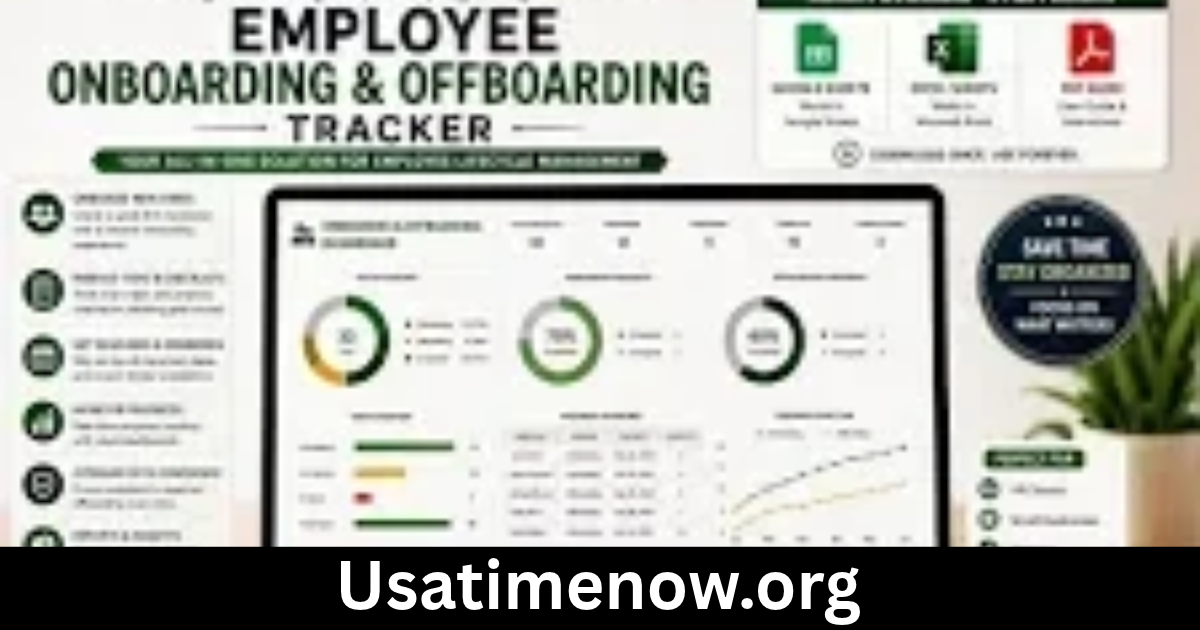
Digital onboarding platforms can help organizations manage documents, assign tasks, track progress, and send reminders.
Collect Regular Feedback
Ask employees whether they have the information, training, and support they need. Use their feedback to improve the onboarding process.
Common Employee Onboarding Mistakes to Avoid
Even well-intentioned organizations can make onboarding mistakes. Some common problems include:
- Providing too much information on the first day.
- Failing to prepare equipment before the employee arrives.
- Leaving new hires without clear instructions.
- Overlooking role-specific training.
- Not explaining company policies and procedures.
- Ignoring feedback during the first few weeks.
- Treating onboarding as a one-day activity.
Avoiding these mistakes can make the process more organized and effective.
Frequently Asked Questions (FAQs)
1. What should be included in an employee onboarding checklist?
An employee onboarding checklist should include employment paperwork, company policies, equipment setup, workplace introductions, job training, role expectations, and regular performance check-ins.
2. How long should employee onboarding take?
Onboarding commonly continues for 90 days, although the appropriate timeline depends on the position, company, and complexity of the work. Some roles require several months of additional training.
3. Who is responsible for employee onboarding?
HR professionals usually coordinate the overall process, while managers handle role-specific training and performance expectations. IT teams may assist with equipment, accounts, and system access.
4. What should happen on an employee’s first day?
The first day should include a warm welcome, team introductions, essential paperwork, workplace orientation, equipment setup, and an explanation of basic job responsibilities.
5. Why is preboarding important?
Preboarding helps organizations prepare documents, equipment, accounts, and schedules before the employee starts. It reduces delays and creates a more organized first-day experience.
6. What is a 30-60-90-day onboarding plan?
A 30-60-90-day onboarding plan divides the employee’s initial learning and development into three stages. It establishes goals, tracks progress, and provides opportunities for feedback.
7. Can small businesses use an employee onboarding checklist?
Yes. Small businesses can use a simple spreadsheet or document to organize onboarding tasks. A checklist helps maintain consistency even when there is no dedicated HR department.
Conclusion
An effective employee onboarding checklist helps organizations welcome new hires, manage essential paperwork, provide proper training, employee onboarding checklist and establish clear performance expectations. By organizing tasks across preboarding, the first day, the first week, and the first 90 days, HR teams and managers can create a smoother transition into the workplace.