

Table of Contents
Succession planning is an important business strategy that helps organizations prepare for the future by identifying and developing employees who can take over critical roles when needed. Whether a company is preparing for leadership changes, employee retirements, succession planning or unexpected departures, having a succession plan can protect business operations and maintain organizational stability.
A well-designed succession planning process helps businesses reduce talent gaps, develop internal employees, and ensure that important responsibilities can be transferred smoothly. In this guide, you’ll learn what is means, why it matters, how to create a plan, and how to use a practical succession planning template.
What Is Succession Planning?
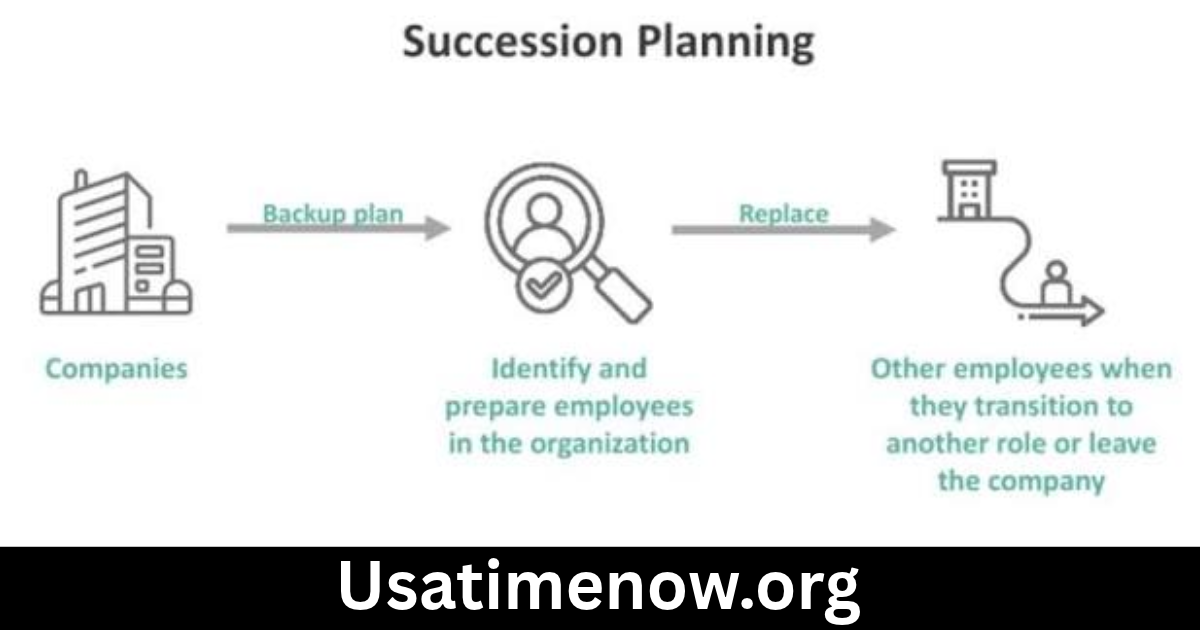
Succession planning is the process of identifying key positions within an organization and preparing qualified employees to fill those roles in the future.
It focuses on developing internal talent so that the business has capable people ready to take on important responsibilities when leadership or other critical positions become vacant.
Succession planning is not limited to executive positions. It can also apply to department managers, technical specialists, supervisors, and employees with essential organizational knowledge.
For example, if a department manager plans to retire, the company may identify potential successors, assess their skills, and provide leadership training before the position becomes vacant.
Why Is Important?
A strong succession planning strategy provides several benefits for businesses and employees.
1. Maintains Business Continuity
Unexpected resignations, retirements, or other staffing changes can disrupt operations. Succession planning helps organizations prepare for these situations and reduce interruptions.
2. Develops Future Leaders
Identifying employees with leadership potential gives organizations an opportunity to develop their skills through training, mentoring, coaching, and practical experience.
3. Reduces Recruitment Costs
Developing internal candidates may reduce the time and expense involved in external recruitment. Internal promotions can also shorten the learning curve because employees already understand the organization.
4. Retains Valuable Employees
Employees may feel more motivated when they can see opportunities for career advancement. Career development and internal mobility can support employee engagement and retention.
5. Protects Critical Business Knowledge
Experienced employees often hold important technical knowledge, customer relationships, and operational expertise. Succession planning encourages knowledge sharing before these employees leave.
6. Supports Long-Term Business Growth
A reliable talent pipeline helps organizations respond to expansion, restructuring, leadership changes, and new business opportunities.
Key Elements of an Effective Succession Plan
A successful succession plan should include several important components.
Identification of Critical Positions
Start by identifying roles that have a significant impact on business operations. These may include senior leadership positions, department heads, technical specialists, and employees responsible for essential processes.
Successor Identification
Identify employees who may have the skills, experience, and potential to take on critical roles. Consider performance, leadership abilities, career interests, and readiness for additional responsibilities.
Skills Gap Assessment
Compare the requirements of each critical position with the current abilities of potential successors. This helps HR teams identify areas that need further development.
Employee Development Plans
Create personalized development activities to prepare potential successors. These may include leadership training, mentoring, job shadowing, cross-functional assignments, and project leadership opportunities.
Readiness Assessment
Evaluate how prepared each potential successor is to assume a new position. Some employees may be ready immediately, while others may need additional experience or training.
Knowledge Transfer
Document important processes, responsibilities, relationships, and technical information so that essential knowledge is not lost when employees leave.
Regular Review
Succession plans should be reviewed periodically because employee interests, business priorities, and organizational structures can change.
Succession Planning Process: Step-by-Step Guide
Organizations can use the following steps to develop an effective succession planning strategy.
Step 1: Define Business Goals
Begin by understanding the organization’s long-term objectives. Consider future expansion, leadership requirements, workforce changes, and critical operational needs.
Step 2: Identify Key Roles
Determine which positions are essential to business continuity. Prioritize roles where an unexpected vacancy could significantly affect operations.
Step 3: Identify Potential Successors
Review employee performance, professional experience, leadership potential, and career aspirations. Avoid relying on personal relationships or assumptions when selecting candidates.
Step 4: Assess Skills and Development Needs
Evaluate each candidate against the competencies required for the target position. Use performance reviews, interviews, assessments, and manager feedback to identify development gaps.
Step 5: Create Individual Development Plans
Set specific goals for each potential successor. Development activities might include:
- Leadership development courses
- Executive coaching
- Mentoring programs
- Job rotation
- Cross-department projects
- Technical training
- Acting leadership assignments
Step 6: Establish Knowledge Transfer Procedures
Encourage current role holders to document important responsibilities, workflows, contacts, and decision-making processes. This helps potential successors understand the role before taking it over.
Step 7: Evaluate Readiness
Use clear readiness categories to track progress. For example, candidates may be classified as ready now, ready within one to two years, or requiring further development.
Step 8: Monitor and Update the Plan
Review succession plans at least annually or whenever significant organizational changes occur. Update successor lists, development goals, and readiness assessments as needed.
Succession Planning Template
The following succession planning template can help HR departments organize critical positions, potential successors, and employee development activities.
Company Name: __________________________
Department: _____________________________
Plan Review Date: ________________________
1. Critical Position Information
- Position Title: __________________________
- Current Position Holder: __________________
- Department: _____________________________
- Importance to Business Operations: _________
- Expected Vacancy Date, if known: ___________
2. Potential Successor Information
- Candidate Name: _________________________
- Current Job Title: ________________________
- Relevant Experience: _____________________
- Leadership Strengths: ____________________
- Development Areas: _______________________
3. Readiness Assessment
Select the candidate’s current readiness level:
- Ready now
- Ready within 1 year
- Ready within 1–2 years
- Requires further development
4. Development Action Plan
| Development area | Action required | Target date |
|---|---|---|
| Leadership skills | Attend leadership training | __________ |
| Decision-making | Lead a business project | __________ |
| Communication | Participate in mentoring | __________ |
| Technical knowledge | Complete role-specific training | __________ |
| Team management | Manage a temporary assignment | __________ |
5. Knowledge Transfer Plan
List important processes, documents, relationships, and responsibilities that must be transferred.
6. Review and Approval
HR Representative: __________________________
Department Manager: ________________________
Review Date: _______________________________
Note: This template is a general planning tool. Succession decisions should follow fair, transparent, and appropriate HR procedures.
Succession Planning vs. Replacement Planning
Succession planning and replacement planning are related, but they serve different purposes.
| Succession planning | Replacement planning |
|---|---|
| Focuses on long-term talent development | Focuses on filling an unexpected vacancy |
| Develops employees for future responsibilities | Identifies temporary or immediate coverage options |
| Includes training and mentoring | May involve limited preparation |
| Supports organizational growth | Prioritizes short-term continuity |
| Usually involves ongoing reviews | Often activated when a vacancy occurs |
Replacement planning can be part of a broader succession strategy, but it does not provide the same long-term employee development.
Best Practices for Successful Succession Planning
To make succession planning more effective, organizations should follow these practices:
- Start early: Do not wait until a key employee announces their departure.
- Focus on critical roles: Prioritize positions with the greatest impact on business operations.
- Use objective criteria: Assess candidates using relevant skills, experience, and performance evidence.
- Provide equal opportunities: Make development opportunities accessible and avoid favoritism.
- Encourage knowledge sharing: Document important processes and responsibilities.
- Connect plans to career development: Discuss employees’ interests and professional goals.
- Maintain confidentiality: Share sensitive succession information only with authorized individuals.
- Review regularly: Update plans as employees develop and business requirements change.
Common Succession Planning Mistakes to Avoid
Even well-intentioned succession planning programs can fail when organizations overlook important details.
- Waiting too long: Delayed planning can leave businesses unprepared for sudden departures.
- Selecting only one successor: Having multiple potential candidates can reduce dependency on a single employee.
- Ignoring employee aspirations: A high-performing employee may not want a particular leadership position.
- Failing to provide training: Identifying candidates without developing their skills does not create genuine readiness.
- Overlooking technical roles: Critical knowledge may exist outside senior management positions.
- Using outdated plans: Succession plans should reflect current employees, business needs, and organizational structures.
Frequently Asked Questions (FAQs)
1. What is the main purpose of succession planning?
The main purpose is to prepare qualified employees to take over critical positions when current employees leave, retire, or move into different roles. It helps maintain business continuity and develop future leaders.
2. Who is responsible for succession planning?
Succession planning is generally a shared responsibility involving HR professionals, senior management, department heads, and current role holders.
3. Which positions should be included in a succession plan?
Organizations should prioritize positions that are essential to operations, leadership, customer relationships, technical expertise, or important business processes.
4. How often should a succession plan be reviewed?
Most organizations benefit from reviewing their succession plans annually, with additional reviews when major workforce or business changes occur.
5. What is the difference between succession planning and talent management?
Succession planning focuses on preparing employees for critical future roles. Talent management is broader and includes recruiting, developing, engaging, and retaining employees across the organization.
6. What are the key steps in succession planning?
The main steps include identifying critical roles, selecting potential successors, assessing skills, creating development plans, transferring knowledge, evaluating readiness, and reviewing progress.
7. Can small businesses benefit from succession planning?
Yes. Small businesses often depend on a limited number of employees for essential knowledge and responsibilities. Even a simple succession plan can help them prepare for unexpected staffing changes.
Conclusion
Succession planning is an essential part of long-term workforce management. By identifying critical positions, developing internal talent, succession planning and preparing employees for future responsibilities, organizations can reduce leadership gaps and protect business continuity. An effective succession planning strategy should be proactive, fair, and regularly updated. Whether your organization has a small management team or a large workforce, investing in future talent can strengthen leadership capabilities, preserve valuable knowledge, and support sustainable business growth.