


Table of Contents
Introduction
Human resources compliance is an essential part of managing a successful business. It refers to following employment laws, workplace regulations, company policies, human resources compliance and industry standards that protect employees and organizations. HR compliance helps businesses create fair working environments, maintain accurate employment records, and avoid legal problems.
From hiring and employee compensation to workplace safety and discrimination prevention, human resources professionals must understand their legal responsibilities and ensure that company practices meet applicable requirements.
Whether you are an HR manager, business owner, recruiter, or employee, understanding human resources compliance can help you recognize workplace responsibilities and maintain professional standards. This guide explains what HR compliance means, why it matters, its key areas, common challenges, and best practices.
What Is Human Resources Compliance?
Human resources compliance is the process of ensuring that an organization follows the employment laws, regulations, and workplace policies that apply to its operations.
It covers different stages of the employee lifecycle, including recruitment, hiring, onboarding, compensation, performance management, employee relations, and termination.
HR compliance also involves maintaining appropriate documentation, protecting employee information, and ensuring that workplace decisions follow established legal and ethical standards.
For example, a company must follow applicable minimum wage requirements, maintain accurate payroll records, provide legally required leave, and prevent workplace discrimination.
The specific requirements vary depending on the country, state, industry, and size of the organization.
Why Is HR Compliance Important?
Human resources compliance benefits both employers and employees. A well-managed compliance program helps organizations operate responsibly while protecting workers’ rights.
1. Prevents Legal Problems
Following employment laws helps businesses reduce the risk of lawsuits, regulatory investigations, financial penalties, and other legal complications.
2. Protects Employee Rights
HR compliance ensures employees receive fair treatment and appropriate workplace protections. It helps address issues involving discrimination, harassment, wages, working hours, and employee benefits.
3. Creates a Positive Workplace Culture
Clear policies and consistent procedures encourage fairness, accountability, and mutual respect among employees and management.
4. Improves Business Reputation
Organizations that follow employment regulations demonstrate responsibility and professionalism. This can improve their reputation among employees, customers, business partners, and potential job applicants.
5. Supports Better Productivity
When employees understand workplace expectations and feel protected, they can focus more effectively on their responsibilities. Clear HR policies also reduce confusion and unnecessary workplace conflicts.
6. Reduces Financial Risks
Compliance violations can result in fines, legal expenses, compensation claims, and operational disruptions. Preventive HR practices help reduce these potential costs.
Key Areas of Human Resources Compliance
HR compliance covers several important areas of employment management. Organizations should regularly review their policies and procedures to ensure they meet applicable legal requirements.
1. Employment Laws and Regulations
Businesses must understand the employment laws that apply to their workforce.
These may include regulations covering hiring practices, working hours, wages, employee classification, workplace safety, and termination procedures.
In the United States, examples include the Fair Labor Standards Act (FLSA), Title VII of the Civil Rights Act, and the Americans with Disabilities Act (ADA).
2. Recruitment and Hiring Compliance
Recruitment compliance ensures that employers use fair and legally appropriate hiring practices.
Important responsibilities include:
- Creating accurate job descriptions.
- Avoiding discriminatory hiring decisions.
- Applying consistent recruitment procedures.
- Following applicable background-check requirements.
- Maintaining appropriate candidate records.
- Verifying employment eligibility where required.
Fair recruitment practices help organizations attract qualified candidates while reducing legal risks.
3. Payroll and Compensation Compliance
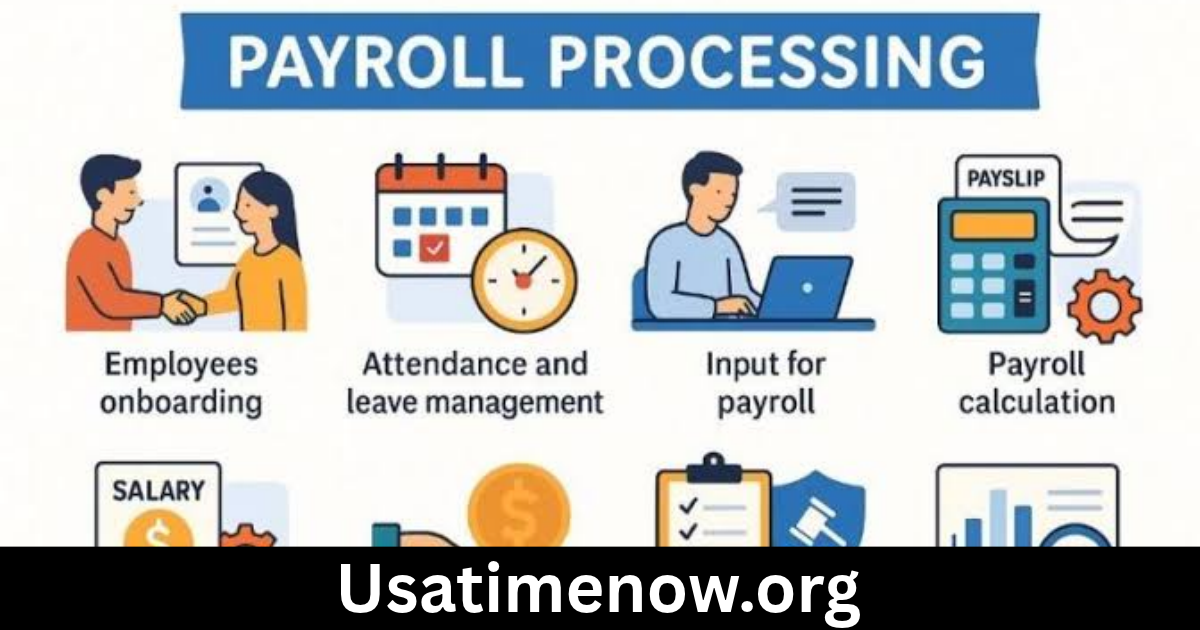
Employers must follow applicable rules concerning employee compensation, minimum wages, overtime, payroll deductions, and tax withholding.
HR and payroll teams should maintain accurate records of employee hours, salaries, bonuses, and deductions.
Incorrect payroll calculations can create employee dissatisfaction and potential legal problems.
4. Workplace Health and Safety
Workplace safety is another major component of HR compliance.
Organizations must identify workplace hazards, establish appropriate safety procedures, and provide required training and protective equipment.
In the United States, the Occupational Safety and Health Administration (OSHA) establishes and enforces many workplace safety requirements.
5. Employee Benefits and Leave Policies
Employers must understand the benefits and leave requirements that apply to their employees.
Depending on the jurisdiction, these may include:
- Paid or unpaid annual leave.
- Sick leave.
- Maternity and paternity leave.
- Family and medical leave.
- Retirement benefits.
- Health insurance requirements.
Organizations should communicate benefit eligibility and leave procedures clearly.
6. Anti-Discrimination and Harassment Policies
HR departments play an important role in maintaining workplaces free from unlawful discrimination and harassment.
Employers should establish reporting procedures, investigate complaints appropriately, and apply relevant workplace policies consistently.
Employees should be treated fairly regardless of legally protected characteristics under applicable employment laws.
7. Employee Records and Data Privacy
HR departments handle sensitive employee information, including addresses, compensation details, identification documents, and performance records.
Organizations should protect these records through secure storage, restricted access, appropriate retention policies, and lawful data-handling procedures.
What Does an HR Compliance Officer Do?
An HR compliance officer helps ensure that an organization follows applicable employment regulations and internal workplace policies.
Their responsibilities may include:
- Reviewing HR policies and procedures.
- Monitoring changes in employment regulations.
- Conducting internal compliance audits.
- Maintaining employment documentation.
- Supporting workplace investigations.
- Identifying potential compliance risks.
- Coordinating employee training.
- Advising management on HR compliance matters.
Depending on the organization, these responsibilities may belong to an HR manager, compliance specialist, legal department, or dedicated compliance officer.
Common HR Compliance Challenges
Managing human resources compliance can be challenging, particularly for organizations operating across multiple locations or employing large workforces.
Changing Employment Laws
Employment regulations can change over time. HR professionals must monitor updates and adjust company policies when necessary.
Incomplete Employee Records
Missing employment documents, inaccurate payroll records, and outdated employee information can create compliance problems.
Inconsistent Policy Enforcement
When managers apply workplace policies differently, employees may experience unfair treatment and organizations may face additional legal risks.
Employee Misclassification
Incorrectly classifying workers as independent contractors or employees can create problems involving wages, taxes, benefits, and legal protections.
Insufficient Employee Training
Employees and managers who do not understand workplace policies may unintentionally violate company procedures or legal requirements.
Best Practices for Maintaining HR Compliance
Organizations can strengthen their compliance programs by establishing clear procedures and regularly reviewing workplace practices.
1. Develop Clear HR Policies
Create written policies covering recruitment, attendance, compensation, leave, workplace behavior, safety, and disciplinary procedures.
Make sure employees can easily access and understand these documents.
2. Conduct Regular Compliance Audits
Review payroll records, employee files, contracts, job classifications, and workplace policies to identify potential problems before they become serious.
3. Train Employees and Managers
Provide regular training on workplace conduct, anti-harassment policies, data privacy, safety requirements, and relevant employment procedures.
4. Maintain Accurate Documentation
Keep employee records, signed agreements, payroll information, training records, and relevant employment documents organized and secure.
5. Monitor Legal Updates
HR teams should regularly review official government guidance and consult qualified legal professionals when necessary.
6. Use HR Management Software
HR management systems can help organizations organize employee records, manage attendance, track leave, process payroll, and maintain compliance documentation.
However, software should support—not replace—proper legal review and HR oversight.
7. Establish Reporting Procedures
Provide employees with clear and confidential ways to report workplace concerns. Investigate complaints promptly and follow applicable legal requirements.
HR Compliance in the United States and International Workplaces
Human resources compliance requirements differ significantly across countries.
In the United States, employers may need to comply with federal, state, and local employment laws. Requirements can involve wages, discrimination, workplace safety, family leave, and employee records.
International organizations must also consider the employment regulations of every country where they operate.
For example, employers in Pakistan should understand applicable federal and provincial labor laws, including relevant requirements concerning wages, working hours, social security, employment contracts, and workplace protections.
Businesses should avoid assuming that one country’s HR policies automatically satisfy another country’s legal requirements.
Frequently Asked Questions (FAQs)
1. What is human resources compliance in simple terms?
Human resources compliance means following employment laws, workplace regulations, and company policies to protect employees and ensure an organization operates legally.
2. What are the main areas of HR compliance?
The main areas include recruitment, payroll, employee benefits, workplace safety, anti-discrimination policies, employee records, data privacy, and termination procedures.
3. Who is responsible for HR compliance?
HR managers, compliance officers, business owners, and department managers may share responsibility. Ultimately, the employer is responsible for meeting applicable legal obligations.
4. What happens if a company fails to follow HR compliance requirements?
Noncompliance can lead to financial penalties, lawsuits, regulatory investigations, employee complaints, reputational damage, and operational disruptions.
5. How can a company improve HR compliance?
Organizations can improve compliance by updating HR policies, conducting regular audits, training employees, maintaining accurate records, and monitoring changes in employment laws.
6. What is an HR compliance audit?
An HR compliance audit is a systematic review of employment practices, documents, and policies to identify potential legal or regulatory violations.
7. What is the difference between HR compliance and HR management?
HR management focuses on recruiting, developing, supporting, and managing employees. HR compliance focuses on ensuring these activities follow applicable laws, regulations, and workplace requirements.
Conclusion
Human resources compliance is a fundamental part of responsible workforce management. It helps organizations follow employment laws, protect employee rights, maintain accurate records, human resources compliance and create fair and safe working environments. From recruitment and payroll to workplace safety and employee data protection, every HR function involves responsibilities that businesses must manage carefully.