

Table of Contents
A strong talent management strategy helps organizations attract, develop, motivate, and retain employees who contribute to long-term business success. talent management strategy In today’s competitive workplace, companies need more than effective recruitment. They must also invest in employee development, performance management, leadership growth, and workforce planning.
A well-designed talent management strategy connects employee skills and career goals with organizational objectives. This guide explains the key elements, benefits, and practical steps for creating an effective talent management strategy.
What Is a Talent Management Strategy?
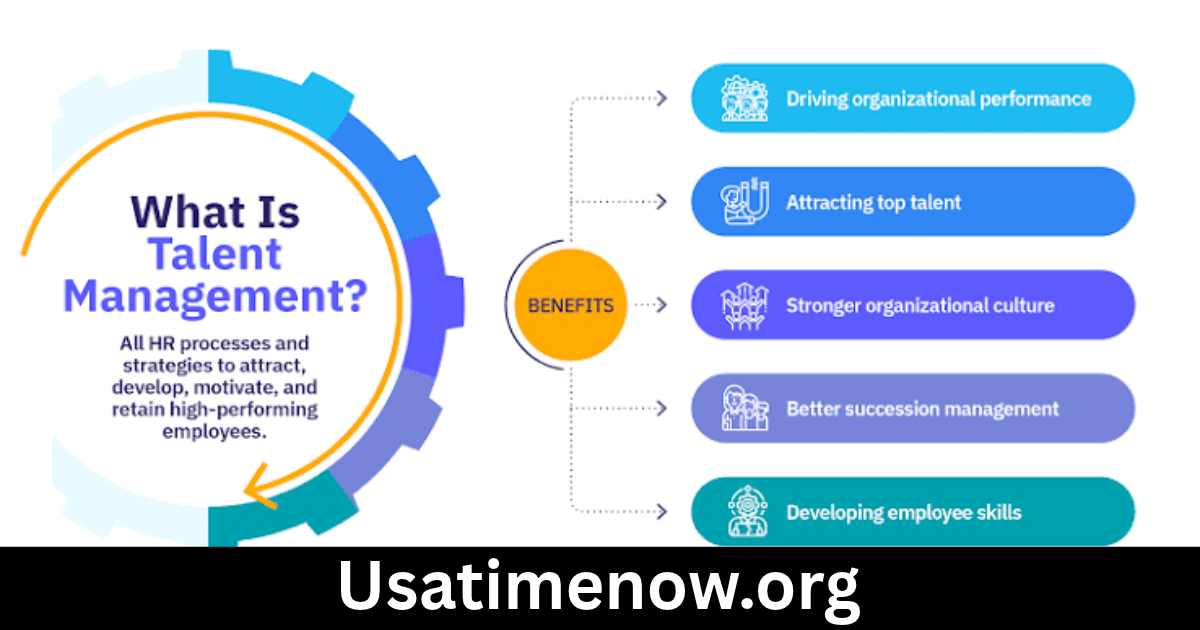
A talent management strategy is a structured approach to attracting, hiring, developing, engaging, and retaining employees. It helps businesses ensure they have the right people with the right skills in the right roles.
Rather than treating recruitment, training, and employee retention as separate activities, a talent management strategy brings them together into one coordinated process.
For example, a company planning to expand its operations may identify the skills it will need in the future, recruit employees with relevant experience, train existing staff, and prepare high-performing employees for leadership positions.
Why Is a Talent Management Strategy Important?
Talent management plays an important role in business performance and organizational growth. Employees with the right skills and support are better equipped to meet business goals and adapt to workplace changes.
Key benefits include:
- Improved employee retention: Career development and recognition can encourage employees to remain with an organization.
- Higher productivity: Employees perform more effectively when their skills match their responsibilities.
- Stronger leadership: Leadership development prepares employees for future management positions.
- Better workforce planning: Businesses can identify skill gaps before they affect operations.
- Increased employee engagement: Clear goals, feedback, and growth opportunities help employees feel valued.
- Greater adaptability: Continuous learning helps organizations respond to new technologies and changing market conditions.
Key Elements of an Effective Talent Management Strategy
A successful talent management strategy includes several connected activities. Each element supports a different stage of the employee experience.
1. Workforce Planning
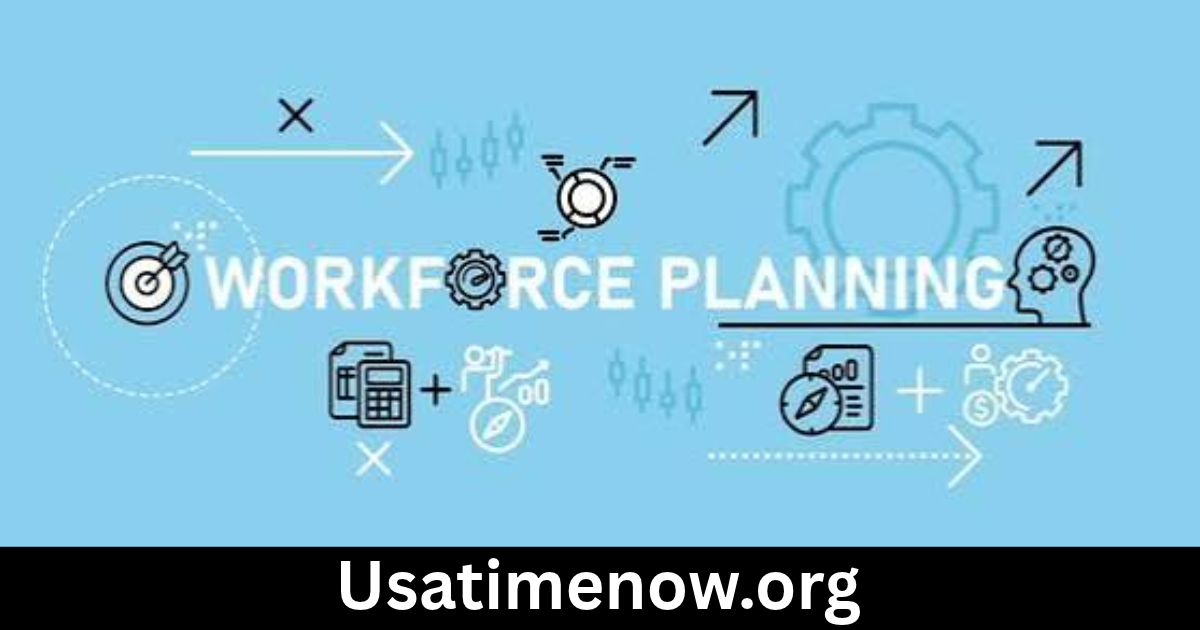
Workforce planning involves identifying the skills, roles, and number of employees an organization needs to achieve its future objectives.
HR teams should evaluate current staffing levels, identify skill shortages, and anticipate upcoming workforce requirements. This process helps businesses prepare for expansion, retirements, employee turnover, and organizational changes.
2. Talent Acquisition and Recruitment
Recruitment is the process of finding and hiring people with the skills and experience needed by the organization.
An effective talent acquisition strategy includes clear job descriptions, structured interviews, fair candidate assessments, and consistent hiring standards. Employers should also communicate their workplace culture and career opportunities to attract suitable candidates.
3. Employee Onboarding
A well-organized onboarding process helps new employees understand their responsibilities, workplace expectations, and company culture.
Successful onboarding may include orientation sessions, job-specific training, introductions to colleagues, and regular check-ins with managers. A positive first experience can help employees become confident and productive more quickly.
4. Learning and Development
Employee development is essential for maintaining a skilled workforce. Companies should provide training opportunities that improve current job performance while preparing employees for future responsibilities.
Common development methods include:
- Professional training programs
- Online learning courses
- Mentoring and coaching
- Cross-functional projects
- Technical skills development
- Leadership workshops
Organizations should regularly review training needs to ensure learning activities support business priorities.
5. Performance Management
Performance management helps employees understand what is expected of them and how their work contributes to organizational goals.
Managers can use measurable objectives, regular feedback, performance reviews, and development discussions to support employee progress. Performance management should focus not only on identifying problems but also on recognizing achievements and improving capabilities.
6. Employee Engagement and Retention
Employee engagement refers to how connected, motivated, and committed employees feel toward their work and organization.
Businesses can improve engagement through recognition programs, transparent communication, supportive management, fair compensation, and opportunities for professional growth.
Retention strategies should also address workplace concerns, employee feedback, workload expectations, and career progression.
7. Succession Planning
Succession planning prepares employees to take on important roles when current leaders or specialists leave or move into different positions.
Organizations can identify critical positions, evaluate potential successors, and provide targeted development opportunities. This reduces disruption and supports leadership continuity.
How to Develop a Talent Management Strategy
Creating a successful talent management strategy requires planning, communication, and regular evaluation. The following steps can help organizations build a practical approach.
Step 1: Define Business Goals
Start by understanding the organization’s short-term and long-term objectives. Determine which skills, roles, and leadership capabilities will be needed to achieve those goals.
For example, a business introducing new technology may need employees with digital skills, technical knowledge, and change management experience.
Step 2: Assess Your Current Workforce
Review existing employee skills, performance, experience, and development needs. HR teams can use skills assessments, performance reviews, employee surveys, and workforce data to identify strengths and gaps.
This assessment provides a foundation for making informed talent management decisions.
Step 3: Identify Skill Gaps
Compare current workforce capabilities with the skills the organization will need in the future.
Once gaps are identified, decide whether to address them through recruitment, internal training, mentoring, or role restructuring.
Step 4: Create Employee Development Plans
Develop individual learning plans based on employee strengths, career interests, and organizational requirements.
These plans may include training courses, stretch assignments, mentoring, and opportunities to gain experience in different departments.
Step 5: Strengthen Recruitment and Retention
Review recruitment processes to ensure they attract qualified candidates and provide a positive hiring experience.
At the same time, create retention initiatives that support employee satisfaction, career development, recognition, and fair workplace practices.
Step 6: Measure Results and Improve
Track the effectiveness of your strategy using measurable performance indicators. Review results regularly and adjust programs when business needs or employee expectations change.
Talent Management Strategy Examples
Organizations can use different approaches depending on their size, industry, and workforce needs.
| Strategy | Example |
|---|---|
| Skills development | Providing technical training to employees |
| Leadership development | Preparing high-potential employees for management roles |
| Employee retention | Offering career progression and recognition programs |
| Succession planning | Identifying potential replacements for critical positions |
| Performance management | Setting measurable goals and conducting regular reviews |
| Internal mobility | Helping employees move into suitable roles across departments |
For example, a growing technology company might combine skills assessments, professional certifications, mentoring, and internal promotions to develop employees rather than relying entirely on external recruitment.
How to Measure the Success of Talent Management
Measuring results helps HR teams understand whether their talent management strategy is delivering value.
Important talent management metrics include:
- Employee turnover rate: Measures how frequently employees leave the organization.
- Employee retention rate: Shows how effectively the company keeps its workforce.
- Time to hire: Tracks how long it takes to fill open positions.
- Time to productivity: Estimates how quickly new employees become effective in their roles.
- Training effectiveness: Evaluates whether learning programs improve employee skills and performance.
- Internal promotion rate: Measures how often vacancies are filled by existing employees.
- Employee engagement score: Provides insight into employee motivation and workplace satisfaction.
Organizations should evaluate these metrics together rather than relying on a single measurement.
Common Talent Management Challenges
Even well-planned talent management programs can face difficulties. Common challenges include:
- Skills shortages: Businesses may struggle to find candidates with specialized knowledge.
- High employee turnover: Poor management, limited career opportunities, or workplace dissatisfaction can contribute to resignations.
- Limited training budgets: Financial restrictions may reduce access to professional development.
- Unclear career paths: Employees may leave when they cannot see opportunities for advancement.
- Resistance to change: Employees and managers may hesitate to adopt new processes or technologies.
Organizations can address these challenges through better workforce planning, regular communication, targeted development programs, and consistent leadership support.
Frequently Asked Questions (FAQs)
1. What is the main purpose of a talent management strategy?
The main purpose is to attract, develop, motivate, and retain employees whose skills and capabilities support organizational goals.
2. What are the five stages of talent management?
A common talent management framework includes planning, recruitment, development, performance management, and retention. Some organizations also treat succession planning as a separate stage.
3. Who is responsible for talent management?
HR professionals usually coordinate talent management activities, but managers, senior leaders, and employees also play important roles in successful implementation.
4. How does talent management improve employee retention?
It supports retention by providing career development, learning opportunities, recognition, constructive feedback, and a positive employee experience.
5. What is the difference between talent management and talent acquisition?
Talent acquisition focuses primarily on attracting and hiring employees. Talent management covers the broader employee lifecycle, including recruitment, development, engagement, performance, and retention.
6. What are the most important talent management metrics?
Common metrics include employee turnover, retention, time to hire, training effectiveness, internal promotion rates, and employee engagement scores.
7. How often should a talent management strategy be reviewed?
Organizations should monitor key metrics regularly and conduct a broader strategy review at least annually. Significant business changes may require earlier adjustments.
Conclusion
A well-designed talent management strategy helps organizations build a capable, motivated, and future-ready workforce. talent management strategy By connecting workforce planning, recruitment, employee development, performance management, engagement, and succession planning, businesses can make better use of their employees’ skills and potential. The most effective strategies are aligned with business goals and adapted to changing workforce needs. With consistent evaluation and investment in people, organizations can improve productivity, strengthen leadership, and support sustainable growth.