
Table of Contents
Employee benefits administration is an essential part of human resource management. It involves organizing, managing, employee benefits administration and maintaining the benefits employees receive in addition to their regular salaries. These benefits may include health insurance, retirement plans, paid time off, life insurance, wellness programs, and other workplace perks.
Effective employee benefits administration helps businesses attract qualified candidates, improve employee satisfaction, maintain accurate records, and support workplace productivity. Whether a company has a small team or a large workforce, a well-organized benefits administration process can make HR operations more efficient.
What Is Employee Benefits Administration?
Employee benefits administration refers to the process of managing employee benefit programs from enrollment to ongoing maintenance. HR departments or dedicated benefits administrators handle tasks such as explaining available benefits, processing employee selections, updating records, coordinating with insurance providers, and managing changes when employees experience qualifying life events.
The goal is to ensure employees understand and receive the benefits they are eligible for while helping the organization manage costs and meet applicable requirements.
Types of Employee Benefits
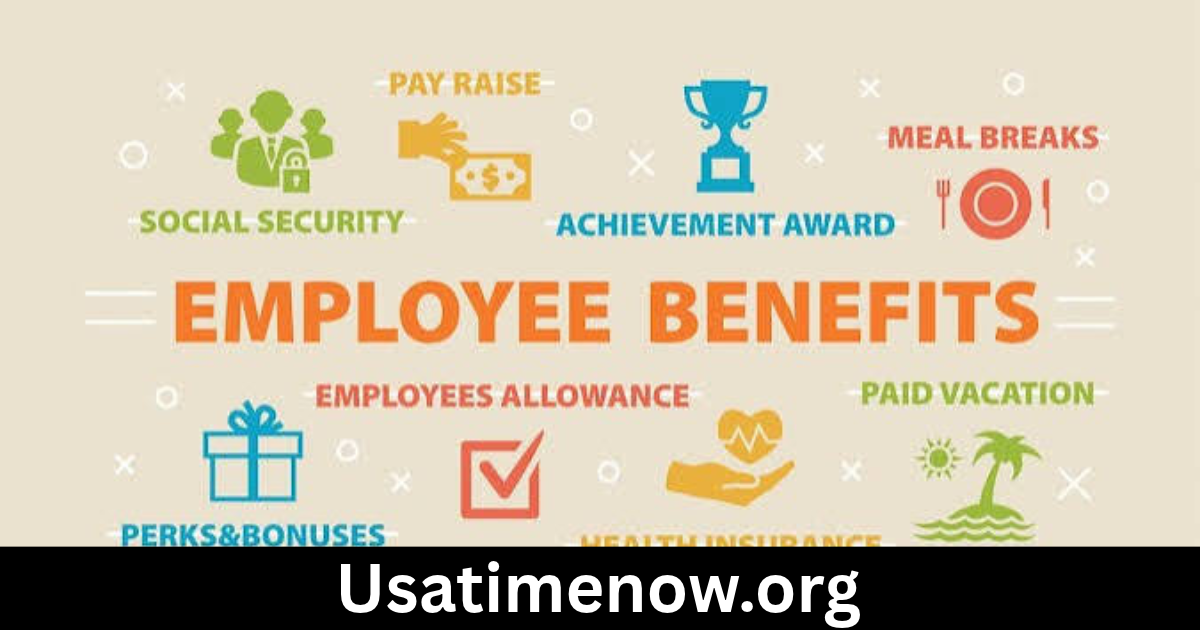
Companies offer different benefits depending on their size, industry, budget, location, and workforce needs.
1. Health and Medical Insurance
Health insurance is one of the most important employee benefits. Depending on the plan, it may help cover doctor visits, hospital stays, prescription medications, preventive care, and specialist services.
HR teams typically coordinate enrollment, explain coverage options, and help employees understand how to access their plans.
2. Retirement and Savings Plans
Retirement benefits help employees prepare financially for the future. Employers may offer pension arrangements, retirement savings plans, or contributions to eligible employee accounts.
Benefits administrators help manage enrollment information, communicate plan details, and coordinate contributions according to the applicable plan rules.
3. Paid Time Off
Paid time off (PTO) allows employees to take approved leave while continuing to receive their regular pay. Common types include:
- Vacation leave
- Sick leave
- Personal days
- Public holidays
- Family-related leave
Clear PTO policies help employees understand how leave is earned, requested, approved, and recorded.
4. Life and Disability Insurance
Life insurance can provide financial support to an employee’s designated beneficiaries after the employee’s death. Disability insurance may replace part of an employee’s income if a qualifying illness or injury prevents them from working.
The availability and coverage of these plans depend on the employer and insurance provider.
5. Wellness and Lifestyle Benefits
Some organizations offer benefits designed to support employees’ physical, mental, and financial well-being. Examples include fitness memberships, employee assistance programs, mental health resources, financial education, and wellness incentives.
These programs can contribute to a healthier and more supportive workplace.
Key Responsibilities in Employee Benefits Administration
Managing employee benefits requires careful coordination between HR teams, employees, insurance providers, payroll departments, and external administrators.
Benefits Enrollment and Eligibility
Benefits administrators explain available plans, communicate eligibility requirements, and help employees complete enrollment. They also ensure that selections are submitted within the required enrollment periods.
New hires, existing employees, and employees experiencing qualifying life events may have different enrollment requirements.
Maintaining Accurate Employee Records
Accurate records are essential for effective benefits management. HR teams maintain information such as employee eligibility, selected coverage, dependent details, enrollment dates, and changes to benefit plans.
Keeping records updated helps prevent administrative errors and incorrect deductions.
Managing Benefits Changes
Employees may need to update their benefits after marriage, the birth of a child, a change in employment status, or another qualifying event.
Benefits administrators help employees understand which changes are permitted and what documentation or deadlines may apply.
Coordinating With Providers
Many businesses work with insurance companies, retirement plan providers, brokers, and third-party administrators. HR professionals coordinate with these organizations to resolve enrollment issues, verify information, and address employee questions.
Communicating Benefits Information
Employees need clear information about what their benefits include and how to use them. HR departments may provide benefits guides, enrollment reminders, policy documents, FAQs, and employee meetings.
Good communication reduces confusion and helps employees make informed decisions.
Why Employee Benefits Administration Is Important
A reliable benefits administration process creates value for both employees and employers.
Improves Employee Satisfaction
Employees are more likely to appreciate their workplace when benefits are easy to understand and access. Clear explanations and timely support can improve their overall employment experience.
Supports Recruitment and Retention
Competitive employee benefits can make an organization more attractive to job candidates. Existing employees may also be more likely to remain with an employer that provides useful benefits and manages them effectively.
Reduces Administrative Errors
Organized processes help prevent mistakes involving enrollment, payroll deductions, eligibility, and employee records. Accurate administration also makes it easier to identify and resolve problems.
Helps Organizations Manage Costs
Benefits represent an important business expense. Regular reviews help employers understand spending, compare available plans, and identify opportunities to improve value without unnecessarily reducing employee support.
Supports Compliance
Employers may have legal and regulatory responsibilities related to employee benefits, depending on their country, industry, workforce, and benefit arrangements. Proper documentation and timely administration help organizations meet applicable obligations.
Common Challenges in Benefits Administration
Although employee benefits are valuable, managing them can be complicated.
Complex Enrollment Processes
Employees may struggle to compare insurance plans, understand coverage limits, or complete enrollment forms. Complicated processes can lead to missed deadlines and incorrect selections.
Solution: Provide simple enrollment instructions, clear plan comparisons, and access to HR support.
Changing Regulations
Employment and benefits regulations can change over time. Organizations must monitor relevant requirements and update their policies and administrative procedures when necessary.
Solution: Review benefit policies regularly and seek qualified professional guidance when appropriate.
Inaccurate Employee Information
Outdated personal details, incorrect dependent information, and missed employment-status changes can create problems with coverage and payroll deductions.
Solution: Establish a consistent process for reviewing and updating employee records.
Poor Communication
Employees may not understand the benefits available to them or know where to get assistance.
Solution: Use clear written guides, employee meetings, email reminders, and dedicated HR support channels.
Best Practices for Effective Employee Benefits Administration
Businesses can improve their benefits management by following a consistent and employee-focused approach.
- Create clear benefits policies: Document eligibility rules, enrollment deadlines, coverage details, and procedures for requesting changes.
- Use reliable HR software: Benefits administration platforms can help manage employee records, enrollment, reporting, and communication.
- Provide regular employee education: Explain benefits during onboarding and offer reminders during annual enrollment periods.
- Review benefit programs regularly: Evaluate employee needs, provider performance, costs, and available plan options.
- Protect confidential information: Restrict access to sensitive employee records and follow appropriate data protection practices.
- Coordinate HR and payroll: Ensure benefit selections and deductions are communicated accurately between departments.
- Collect employee feedback: Surveys and employee discussions can reveal which benefits are useful and where improvements are needed.
How Technology Improves Benefits Administration
Technology has made employee benefits administration faster and more organized. Modern HR management systems often provide tools for enrollment, recordkeeping, employee self-service, and benefits reporting.
Automated Enrollment
Digital enrollment systems allow employees to review available options and submit their selections online. Automation can reduce paperwork and help HR teams manage enrollment deadlines.
Employee Self-Service Portals
Self-service platforms let employees review their benefits information, update permitted personal details, and access important documents without contacting HR for every request.
Reporting and Data Management
HR software can generate reports about enrollment participation, benefit costs, and employee eligibility. These insights help managers evaluate programs and plan future spending.
Improved Data Accuracy
Integrated systems can reduce repeated data entry between HR and payroll. However, businesses should still review information regularly to identify errors and protect confidential records.
Employee Benefits Administration vs. Benefits Management
These terms are related but have slightly different meanings.
Employee benefits administration focuses on the daily operational tasks involved in managing benefit programs, such as enrollment, recordkeeping, employee updates, and provider coordination.
Benefits management is broader. It includes selecting benefit programs, evaluating costs, developing benefit strategies, and determining whether offerings meet organizational and employee needs.
Both functions work together to create an effective employee benefits program.
FAQs About Employee Benefits Administration
1. What does employee benefits administration mean?
Employee benefits administration is the process of managing workplace benefits, including health insurance, retirement plans, paid leave, and other employee programs. It covers enrollment, recordkeeping, communication, and ongoing updates.
2. Who is responsible for employee benefits administration?
HR departments, benefits administrators, payroll teams, and external service providers may share responsibility. The exact arrangement depends on the organization’s size and structure.
3. What are the most common employee benefits?
Common benefits include medical insurance, retirement savings plans, paid time off, life insurance, disability coverage, wellness programs, and employee assistance services.
4. How does benefits administration improve employee satisfaction?
It helps employees understand their available benefits, complete enrollment correctly, and receive support when questions or problems arise. This can improve their confidence in the organization.
5. Can small businesses manage employee benefits administration?
Yes. Small businesses can manage benefits internally or work with brokers, payroll providers, or third-party administrators. The best approach depends on their workforce, budget, and benefit requirements.
6. What is benefits administration software?
Benefits administration software is a digital platform that helps organizations manage employee eligibility, enrollment, benefit records, communication, and reporting.
7. How often should companies review their benefits programs?
Companies should review benefits at least annually and whenever significant business, workforce, provider, or regulatory changes occur.
Conclusion
Employee benefits administration is a vital function that helps organizations deliver workplace benefits efficiently and consistently. employee benefits administration From managing health insurance and retirement plans to maintaining accurate records and supporting employee enrollment, effective administration improves the employee experience while helping businesses control costs and meet applicable requirements. By using clear policies, reliable technology, regular communication, and ongoing program reviews, companies can build a benefits administration process that supports employee well-being and organizational success.