






Table of Contents
Payroll management is an essential business function that involves calculating employee salaries, processing payments, managing deductions, payroll management and maintaining accurate payroll records. Every organization, regardless of its size, needs an effective payroll system to ensure employees are paid correctly and on time.
A well-organized payroll management process helps businesses control labor costs, maintain financial records, meet applicable tax and employment requirements, and improve employee satisfaction. From calculating regular wages to handling overtime, bonuses, and deductions, payroll management plays an important role in daily business operations.
What Is Payroll Management?
Payroll management is the process of administering employee compensation within an organization. It includes collecting employee work-hour information, calculating earnings, applying deductions, distributing salaries, and preparing payroll reports.
The process is usually handled by HR departments, payroll specialists, accounting teams, or dedicated payroll software.
Common payroll responsibilities include:
- Calculating employee salaries and hourly wages
- Tracking attendance and working hours
- Processing overtime and bonuses
- Managing tax and other deductions
- Preparing payslips
- Distributing employee payments
- Maintaining payroll records
- Preparing payroll-related reports
The main objective is to ensure employees receive accurate compensation while the organization maintains organized and compliant payroll operations.
Why Is Payroll Management Important?
Effective payroll management benefits both employees and employers.
1. Ensures Accurate Salary Payments
Employees expect to receive the correct wages for their work. An organized payroll process helps reduce errors involving salaries, overtime, bonuses, and deductions.
2. Supports Employee Satisfaction
Consistent and timely salary payments help build trust between employees and employers. Payroll mistakes or payment delays can negatively affect employee morale.
3. Helps Maintain Compliance
Businesses may have legal responsibilities involving wage payments, tax withholding, social contributions, payslips, and employee records. Proper payroll administration helps organizations meet applicable requirements.
4. Improves Financial Planning
Payroll is often one of a company’s largest operating expenses. Accurate payroll records help management understand labor costs, prepare budgets, and make informed financial decisions.
5. Reduces Administrative Work
Standardized payroll procedures and automated tools can reduce repetitive calculations, manual data entry, and paperwork.
Key Components of Payroll Management
Payroll management involves several interconnected activities. Understanding these components helps businesses create a reliable payroll system.
Employee Information Management
The payroll process begins with accurate employee information. HR and payroll teams maintain records such as:
- Employee names and identification details
- Job titles and departments
- Salary or hourly wage rates
- Employment start dates
- Bank account information
- Tax-related information, where applicable
- Benefits and deduction details
Accurate employee records help prevent payment errors and administrative delays.
Attendance and Time Tracking
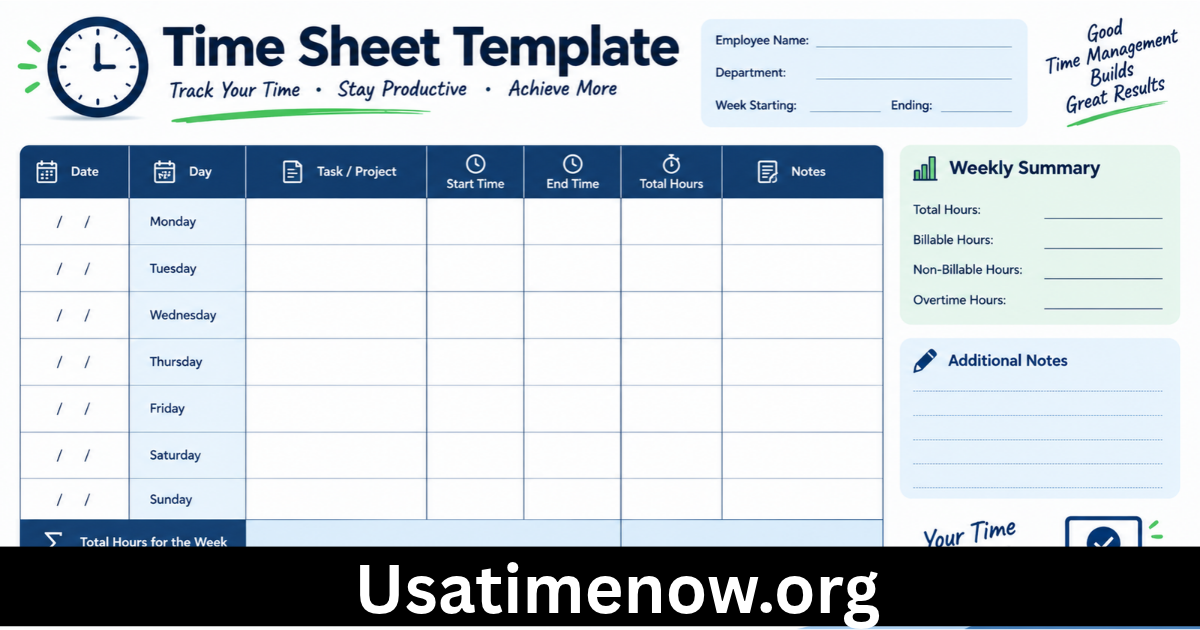
For hourly employees, payroll calculations depend on accurate working-hour records. Organizations may use attendance systems, digital timesheets, biometric devices, or time-tracking software.
These records help payroll teams determine regular hours, overtime, paid leave, and unpaid absences.
Salary and Wage Calculation
Payroll specialists calculate employee earnings based on employment agreements and company policies.
Compensation may include:
- Basic salary
- Hourly wages
- Overtime payments
- Bonuses
- Commissions
- Allowances
- Incentive payments
The calculation method depends on the employee’s pay structure and applicable regulations.
Deductions and Withholdings
Payroll deductions reduce an employee’s gross earnings to determine net pay.
Depending on the country and employment arrangement, deductions may include income tax, social insurance contributions, retirement contributions, insurance premiums, and authorized employee deductions.
Employers should apply only deductions permitted by relevant laws and agreements.
Salary Distribution
After payroll calculations and approvals are complete, employees receive their wages through the organization’s payment system.
Common payment methods include direct deposit, bank transfers, and other legally accepted payment arrangements.
Payroll Recordkeeping
Organizations should maintain accurate payroll documentation, including salary records, payment confirmations, attendance information, deductions, and relevant tax documents.
Record retention requirements vary by jurisdiction.
How Does the Payroll Management Process Work?
A structured payroll management process helps businesses process payments accurately and consistently.
Step 1: Collect Employee Information
Gather updated employee records, salary details, attendance data, and relevant changes in employment status.
Step 2: Calculate Gross Earnings
Determine the employee’s total earnings before deductions. Include regular salary or wages, overtime, bonuses, commissions, and eligible allowances.
Step 3: Calculate Payroll Deductions
Apply the appropriate taxes, contributions, benefit deductions, and other authorized deductions.
Step 4: Determine Net Salary
Subtract total deductions from gross earnings.
Net Pay = Gross Pay − Total Deductions
For example, if an employee earns $3,500 in gross wages and has $700 in total deductions:
$3,500 − $700 = $2,800 net pay
Step 5: Review and Approve Payroll
Before processing payments, authorized personnel should review payroll calculations, employee changes, deductions, and payment totals.
Step 6: Distribute Employee Salaries
Transfer approved payments to employees through the selected payment method.
Step 7: Prepare Payroll Reports
Generate reports showing gross wages, deductions, employer contributions, net payments, and total payroll expenses.
Different Types of Payroll Systems
Businesses can choose from several payroll management approaches depending on their workforce, budget, and administrative needs.
Manual Payroll System
A manual payroll system relies on spreadsheets, paper records, and calculations performed by employees.
It may work for very small businesses with simple payroll requirements, but it can become time-consuming and vulnerable to human error as the workforce grows.
In-House Payroll System
An in-house payroll system is managed by the organization’s own HR or accounting team.
This approach gives businesses direct control over payroll information and processes but requires trained employees, reliable procedures, and ongoing administrative resources.
Outsourced Payroll System
Some businesses hire external payroll providers to manage salary calculations, payment processing, and payroll documentation.
Outsourcing can reduce internal administrative responsibilities, although organizations remain responsible for choosing reliable providers and overseeing their payroll obligations.
Automated Payroll Software
Payroll software helps businesses automate calculations, deductions, employee records, payslips, and reporting.
Many platforms also integrate with HR management systems, attendance tools, and accounting software.
Benefits of Payroll Management Software
Payroll management software can make salary administration faster and more organized.
Automated Calculations
Software can calculate regular wages, overtime, deductions, and net salaries based on configured rules. This reduces repetitive manual work.
Faster Payroll Processing
Automated workflows help payroll teams process payments more efficiently, especially when managing large workforces.
Employee Self-Service
Some systems allow employees to access payslips, update permitted information, and review payroll details through secure portals.
Improved Reporting
Payroll platforms can generate reports that help businesses analyze labor costs, payroll expenses, and payment trends.
Better Record Management
Digital records make it easier to organize payroll documents and retrieve information when needed. Organizations should still apply appropriate access controls and data security measures.
Common Payroll Management Challenges
Even well-organized businesses can experience payroll difficulties.
Incorrect Employee Information
Outdated bank details, incorrect salary rates, or missing employee records can lead to payment errors.
Solution: Review employee information regularly and establish a clear process for reporting changes.
Attendance Tracking Errors
Missing timesheets or inaccurate working-hour records can affect salary and overtime calculations.
Solution: Use dependable time-tracking systems and require timely approval of employee attendance records.
Complex Payroll Regulations
Tax rates, wage requirements, reporting rules, and employment regulations can vary and change over time.
Solution: Monitor relevant regulatory updates and consult qualified payroll or accounting professionals when necessary.
Missed Payroll Deadlines
Delays in collecting information or approving payroll can affect employee payments.
Solution: Establish a payroll calendar with clear submission, review, and payment deadlines.
Data Security Risks
Payroll systems contain sensitive financial and personal information. Unauthorized access can create serious privacy and security problems.
Solution: Use secure payroll platforms, limit access to authorized personnel, and maintain appropriate data protection procedures.
Best Practices for Effective Payroll Management
Organizations can improve payroll accuracy and efficiency by following these practical steps:
- Maintain accurate employee records: Keep salary information, bank details, and employment records updated.
- Create a payroll calendar: Set consistent dates for collecting information, reviewing calculations, and issuing payments.
- Use reliable payroll software: Choose a system that meets the organization’s workforce and reporting requirements.
- Review payroll before approval: Check salary changes, overtime, deductions, and unusual payment amounts.
- Separate responsibilities: Where practical, assign payroll preparation and approval to different authorized individuals.
- Protect confidential information: Apply access controls and secure data storage procedures.
- Train payroll employees: Ensure staff understand payroll policies, software, and applicable regulations.
- Conduct regular audits: Review payroll records to identify errors, inconsistencies, and opportunities for improvement.
FAQs About Payroll Management
1. What is the main purpose of payroll management?
The main purpose is to calculate employee earnings, process salary payments, manage deductions, and maintain accurate payroll records while meeting applicable legal requirements.
2. Who is responsible for payroll management?
Payroll may be managed by HR professionals, payroll specialists, accounting teams, business owners, or external payroll providers.
3. What is the difference between gross pay and net pay?
Gross pay is an employee’s total earnings before deductions. Net pay is the amount remaining after applicable deductions and is generally the amount the employee receives.
4. How often should payroll be processed?
Payroll frequency depends on company policy and local regulations. Common schedules include weekly, biweekly, semimonthly, and monthly payments.
5. What information is needed to process payroll?
Businesses generally need employee details, salary rates, attendance records, overtime information, benefits, deduction information, and applicable tax details.
6. Is payroll management software necessary for small businesses?
Not always. Small businesses may use spreadsheets or external payroll providers. However, payroll software can become valuable as employee numbers and administrative requirements increase.
7. How can businesses reduce payroll errors?
Businesses can reduce errors by maintaining accurate records, automating calculations, reviewing payroll before approval, tracking attendance properly, and conducting regular audits.
Conclusion
Payroll management is a fundamental business function that ensures employees receive accurate and timely compensation. payroll management It involves managing employee information, calculating wages, processing deductions, distributing salaries, and maintaining reliable financial records. By establishing clear payroll procedures, using dependable technology, and reviewing payroll information regularly, organizations can reduce administrative errors and improve efficiency. An effective payroll management system supports employee satisfaction, financial planning, and the long-term success of a business.