




Table of Contents
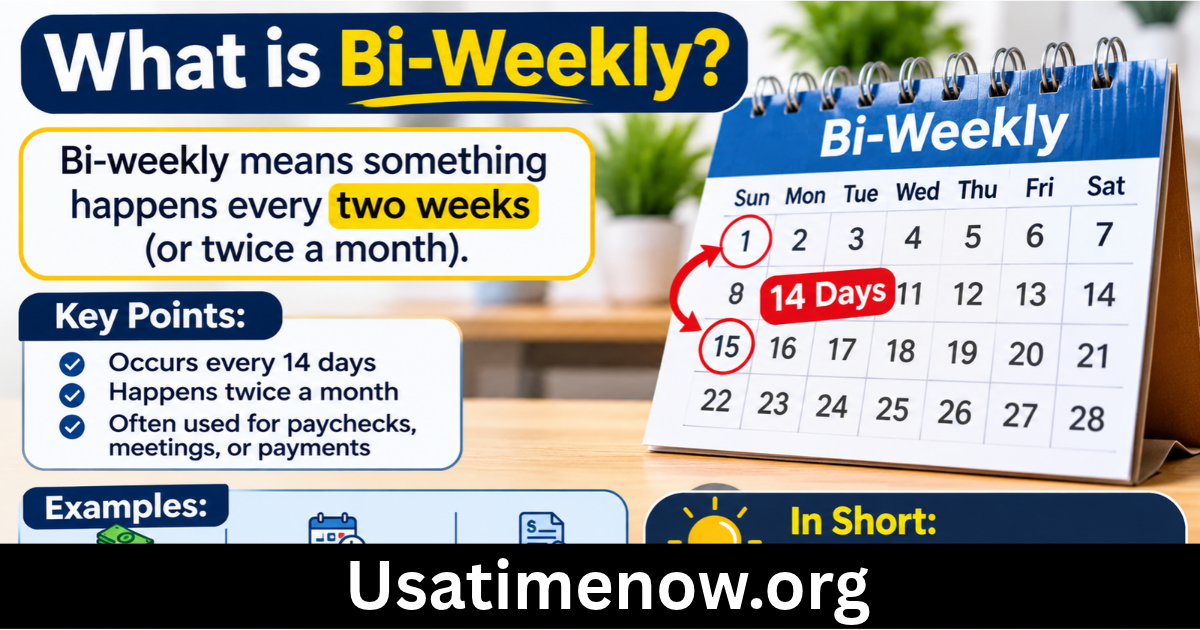
The term biweekly is commonly used in workplaces, payroll systems, business planning, and everyday scheduling. what is bi weekly However, it can sometimes create confusion because it has two possible meanings: twice a week or once every two weeks. Understanding the context is important, especially when discussing employee paychecks, meetings, and recurring responsibilities.
In this guide, you will learn what biweekly means, how a biweekly schedule works, how biweekly pay is calculated, and how it differs from semimonthly and other scheduling arrangements.
What Is Bi Weekly Mean?
Biweekly has two accepted meanings:
- Every two weeks: An event or activity happens once every 14 days.
- Twice a week: An event or activity happens two times within one week.
The intended meaning usually depends on the context. In payroll and employment, biweekly most commonly means once every two weeks. What Is Bi Weekly For example, an employee receiving biweekly pay gets a paycheck every 14 days.
Because the word can be interpreted in different ways, businesses should use clearer expressions such as “every other week” or “twice weekly” whenever possible.
What Is a Biweekly Pay Schedule?
A biweekly pay schedule means employees receive their wages once every two weeks. Instead of being paid on the same date each month, employees usually receive payment on a consistent weekday, such as every other Friday.
For example, if an employee receives a paycheck on Friday, January 2, the next payment would generally arrive on Friday, January 16, followed by January 30.
A biweekly payroll schedule contains 26 pay periods in a typical 52-week year. In some calendar years, depending on the pay-date arrangement, employees may receive 27 paychecks.
How Does Biweekly Payroll Work?
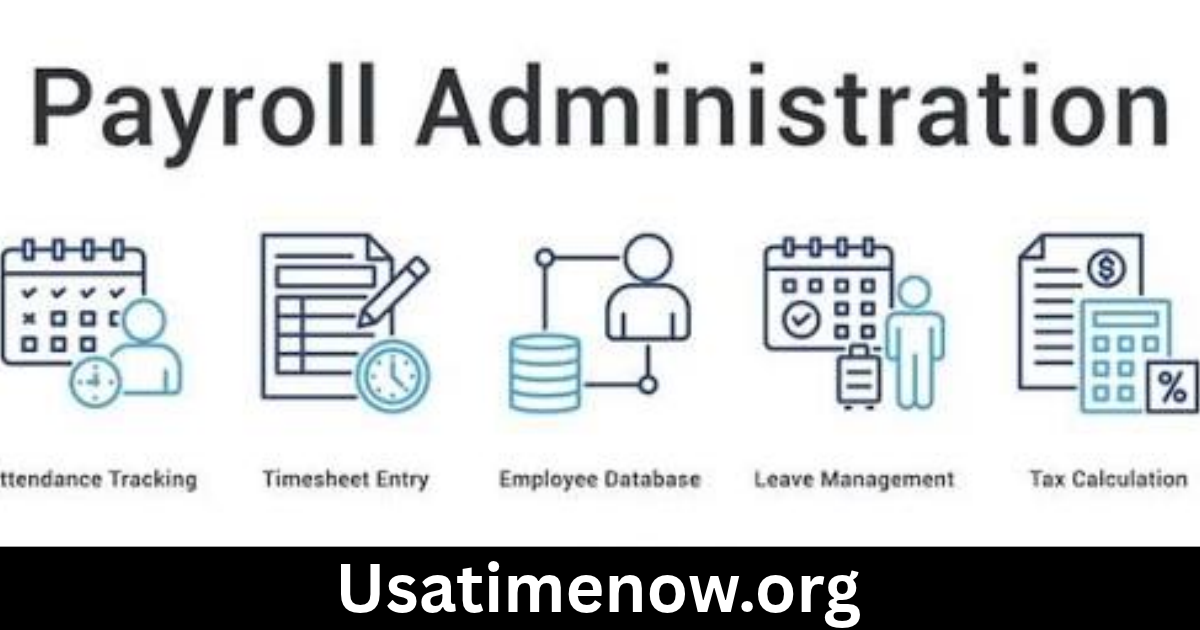
Employers establish a repeating 14-day payroll cycle. At the end of each pay period, the payroll department calculates employee earnings, What Is Bi Weekly applicable deductions, taxes, and other adjustments.
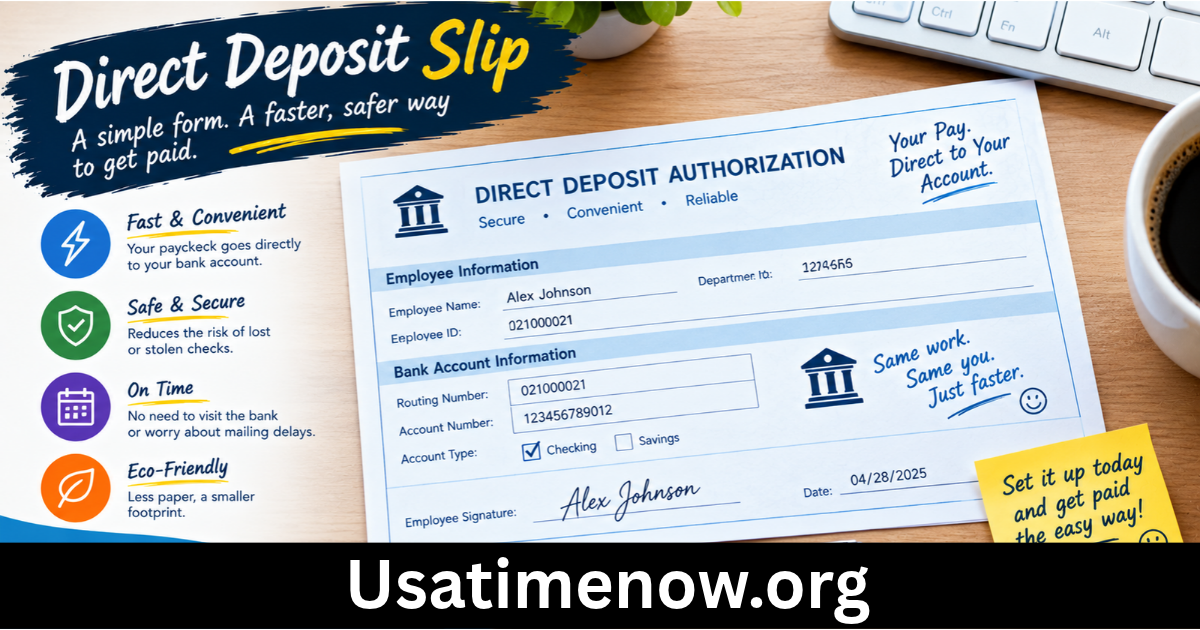
The final amount is then paid through direct deposit, a physical paycheck, or another approved payment method.
A biweekly payroll system can make payment dates predictable because employees know when to expect their next paycheck.
How Many Paychecks Do You Get in a Biweekly Year?
Most employees on a biweekly payroll schedule receive 26 paychecks per year because there are 52 weeks in a year and What Is Bi Weekly employees are paid every two weeks.
The calculation is:
52 weeks ÷ 2 = 26 pay periods.
However, some calendar years can contain 27 scheduled biweekly pay dates, depending on the employer’s payroll calendar. What Is Bi Weekly Employees should check their company’s official payroll schedule to confirm the number of payments for a particular year.
Biweekly Pay vs. Semimonthly Pay
Biweekly and semimonthly are two common payroll schedules, but they are not the same.
A biweekly schedule pays employees every two weeks, while a semimonthly schedule pays employees twice per month, often on fixed dates such as the 15th and the last working day of the month.
| Feature | Biweekly Pay | Semimonthly Pay |
|---|---|---|
| Payment frequency | Every two weeks | Twice per month |
| Annual pay periods | Usually 26 | 24 |
| Payment dates | Same weekday every other week | Usually fixed calendar dates |
| Monthly payments | Usually two, sometimes three | Always two |
| Pay period length | 14 days | Varies |
Which Payroll Schedule Is Better?
Both schedules have advantages.
Biweekly payroll provides consistent payment intervals, making it easier for employees to understand when their next paycheck will arrive. What Is Bi Weekly It can also simplify calculations for hourly workers whose hours vary between pay periods.
Semimonthly payroll provides two payments every month, which may make monthly budgeting and accounting easier. What Is Bi Weekly However, the number of days covered by each pay period can vary.
The best option depends on the employer’s payroll processes, workforce needs, and applicable employment requirements.
How to Calculate Biweekly Pay
Understanding biweekly pay calculations can help employees plan their budgets and understand their earnings.
Calculating Biweekly Pay From an Annual Salary
To calculate gross biweekly pay, divide the annual salary by 26 when the employer uses 26 pay periods.
Example:
Suppose an employee earns an annual salary of $52,000.
$52,000 ÷ 26 = $2,000.
The employee’s gross biweekly paycheck would be $2,000 before taxes, insurance, retirement contributions, and other deductions.
Calculating Annual Salary From Biweekly Pay
You can also estimate annual earnings by multiplying gross biweekly pay by 26.
For example, if an employee earns $1,800 every two weeks:
$1,800 × 26 = $46,800.
This gives an estimated annual gross salary based on 26 payments.
Biweekly Pay for Hourly Employees
Hourly employees are generally paid according to the hours they work during each 14-day pay period.
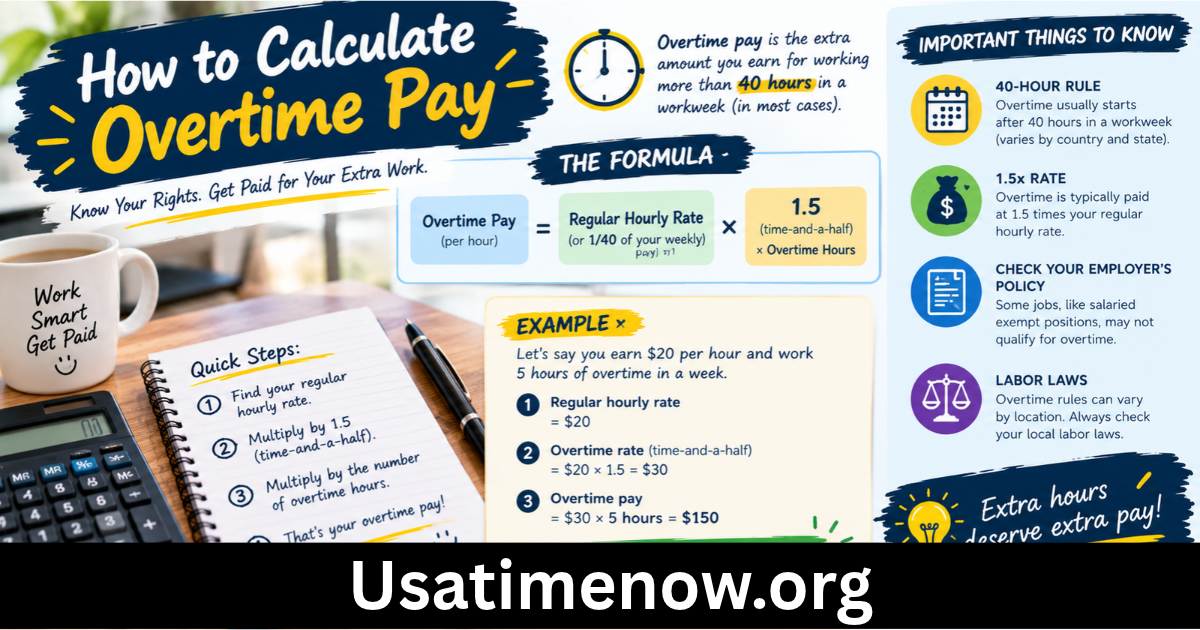
For example, an employee earning $20 per hour who works 80 regular hours over two weeks would receive:
80 × $20 = $1,600.
This is gross pay before any applicable deductions or additional compensation, such as overtime.
Actual payroll calculations may differ depending on working hours, overtime rules, employment agreements, and local laws.
Benefits of a Biweekly Schedule
A biweekly schedule can offer several advantages for employees and employers.
Predictable Payment Dates
Employees receive wages at regular 14-day intervals. What Is Bi Weekly This predictability can make it easier to plan recurring expenses, savings, and other financial responsibilities.
Easier Payroll Planning
Employers can organise payroll around a consistent cycle. This creates a regular process for reviewing employee hours, calculating earnings, and processing payments.
Helpful for Hourly Employees
A two-week pay period can make it convenient to calculate wages based on actual hours worked during the cycle.
Two Extra Paychecks in Some Months
Employees usually receive two paychecks per month. However, twice a year, a calendar month will generally contain three biweekly pay dates when the schedule follows a 26-paycheck year.
These additional payment dates can provide more flexibility for savings or larger expenses, although employees should remember that the annual salary is still divided across the full year.
How to Budget With Biweekly Pay
Getting paid every two weeks requires a slightly different budgeting approach from receiving two paychecks on fixed dates each month.
Consider these practical strategies:
- Calculate monthly income carefully: Use annual earnings divided by 12 to estimate average monthly gross income.
- Plan around payment dates: Record your next paycheck dates and match them with upcoming expenses.
- Cover essential bills first: Prioritise housing, utilities, groceries, transportation, and other necessary costs.
- Build an emergency fund: Set aside a manageable amount from each paycheck.
- Use three-paycheck months wisely: Consider directing additional cash flow toward savings, debt repayment, or planned expenses.
Remember that a third paycheck in a particular month is not extra annual salary. It is part of the same yearly earnings distributed across a different calendar arrangement.
Common Confusion About the Word Biweekly
Because biweekly has two meanings, What Is Bi Weekly it can lead to misunderstandings in professional communication.
For example, a manager who says “We have biweekly meetings” may mean meetings happen every two weeks or twice each week.
To avoid confusion, use specific phrases:
- Every two weeks: A meeting takes place once every 14 days.
- Twice a week: A meeting takes place two times per week.
- Twice a month: A meeting takes place two times during each calendar month.
Clear wording is especially important when discussing payroll, deadlines, employee schedules, and recurring business activities.
Frequently Asked Questions
1. Does biweekly mean every two weeks?
Yes. In payroll and employment contexts, biweekly usually means once every two weeks, or every 14 days. However, the word can also mean twice a week.
2. How many biweekly pay periods are there in a year?
There are usually 26 biweekly pay periods in a year. Some calendar years may have 27 scheduled pay dates, depending on the payroll calendar.
3. Is biweekly the same as twice a month?
No. Biweekly means every two weeks in most payroll contexts, while twice a month means semimonthly. Biweekly payroll usually has 26 payments per year, What Is Bi Weekly compared with 24 for semimonthly payroll.
4. Why do some months have three biweekly paychecks?
A year has 52 weeks, and a biweekly schedule has 26 payment dates. Since most months are longer than four weeks, two months in a typical 26-paycheck year generally contain three scheduled pay dates.
5. How do I calculate biweekly salary?
Divide your annual gross salary by 26 to estimate gross pay per biweekly period. For example, an annual salary of $60,000 produces approximately $2,307.69 per paycheck before deductions.
6. Is biweekly pay better than weekly pay?
Neither schedule is automatically better. Weekly pay provides more frequent access to wages, while biweekly pay reduces the number of payroll processing cycles. What Is Bi Weekly The best arrangement depends on employee needs and employer policies.
7. What is the difference between biweekly and bimonthly?
Biweekly generally means every two weeks or twice weekly, depending on context. Bimonthly usually means twice a month or once every two months. Because both terms can be ambiguous, specific wording is preferable.
Conclusion
Biweekly is a scheduling term with two possible meanings, but it most commonly refers to something that happens once every two weeks in workplace and payroll settings. A biweekly pay schedule usually provides 26 paychecks annually, what is bi weekly although some calendar years may include 27 payment dates. Understanding the difference between biweekly and semimonthly schedules can help employees manage their income and employers organise payroll more effectively. When communicating schedules, using clear expressions such as “every other week” or “twice a week” can prevent misunderstandings and keep everyone informed.