




Table of Contents
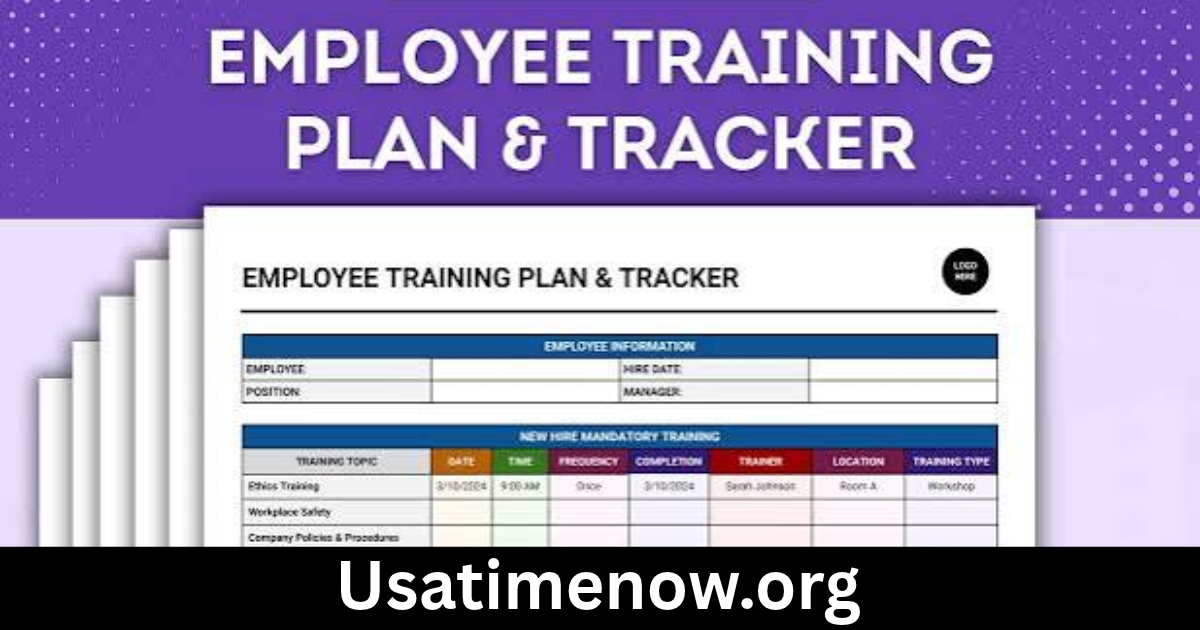
An effective employee training plan helps organizations improve workforce skills, increase productivity, and prepare employees for changing business needs. employee training plan Whether a company is onboarding new hires, introducing new technology, or developing future leaders, structured training ensures employees have the knowledge and abilities needed to perform their jobs successfully.
A well-designed employee training plan also supports professional growth, improves employee confidence, and contributes to long-term business success. This guide explains what an employee training plan is, its key components, and how to create one with practical examples.
What Is an Employee Training Plan?
An employee training plan is a structured document that outlines the learning activities, goals, resources, and timelines used to develop employees’ skills and knowledge.
It identifies what employees need to learn, how training will be delivered, who will provide instruction, and how progress will be measured.
For example, a company hiring new customer service representatives may create a training plan covering product knowledge, communication skills, customer complaint handling, and internal software systems.
Training plans can be developed for individual employees, specific departments, or the entire workforce.
Why Is an Employee Training Plan Important?
Employee training is an investment in both people and organizational performance. Without clear learning objectives, training activities may become inconsistent or fail to address actual workplace needs.
Some important benefits include:
- Improved productivity: Employees learn how to complete tasks efficiently and accurately.
- Better job performance: Training helps employees understand their responsibilities and workplace procedures.
- Increased confidence: Employees feel more prepared to handle daily challenges.
- Higher employee retention: Professional development opportunities can encourage employees to remain with the organization.
- Reduced workplace errors: Proper instruction helps employees follow safety standards and operational procedures.
- Stronger teamwork: Communication and collaboration training can improve relationships between colleagues.
- Career development: Employees gain skills that prepare them for promotions and additional responsibilities.
Key Components of an Employee Training Plan
A successful employee training plan should include several essential elements to make learning organized, measurable, and relevant.
1. Training Objectives
Training objectives explain what employees should know or be able to do after completing a program. Objectives should be clear, specific, and connected to job responsibilities.
For example, a training objective might be to teach new employees how to use the company’s customer relationship management software independently within two weeks.
2. Skills and Training Needs Assessment
Before developing a training program, organizations should identify existing skill gaps and employee development needs.
HR teams and managers can use performance reviews, employee feedback, skills assessments, and job requirements to determine which areas need improvement.
3. Training Methods
Different training methods are suitable for different learning objectives. Common approaches include:
- Instructor-led classroom training
- Online courses and webinars
- On-the-job training
- Mentoring and coaching
- Workshops and group activities
- Job shadowing
- Practical demonstrations
Combining different methods can make training more effective and accessible.
4. Training Schedule and Timeline
A training schedule outlines when learning activities will take place and how much time employees should spend on each topic.
The timeline should consider employee workloads, business operations, trainer availability, and the complexity of the subject.
5. Training Materials and Resources
Employees need appropriate learning materials to understand and practice new skills. Resources may include training manuals, presentations, videos, software demonstrations, checklists, and reference documents.
6. Evaluation and Performance Measurement
Training evaluation determines whether employees have achieved the intended learning objectives.
Organizations can measure results through assessments, practical exercises, manager feedback, employee surveys, and workplace performance indicators.
How to Create an Effective Employee Training Plan
Creating a training plan requires careful preparation and coordination between HR professionals, managers, and employees.
Step 1: Identify Training Needs
Start by reviewing the skills required for each position and comparing them with employees’ current capabilities.
For example, if employees struggle with a new digital system, the organization may need to introduce software training and practical exercises.
Training needs should be based on actual performance requirements rather than assumptions.
Step 2: Set Clear Training Goals
Define what the training program should accomplish. Goals should be measurable whenever possible.
Examples include:
- Improve customer communication skills.
- Reduce errors in data entry.
- Teach employees new workplace safety procedures.
- Improve knowledge of company products.
- Prepare supervisors for leadership responsibilities.
Clear goals help trainers choose appropriate learning activities and evaluate results.
Step 3: Choose the Right Training Methods
Select training methods based on the subject, employee experience, available resources, and learning objectives.
Technical skills may require demonstrations and hands-on practice, while communication training may benefit from role-playing and group discussions.
Step 4: Create a Training Schedule
Divide the training program into manageable sessions. Include the topic, trainer, duration, materials, and expected learning outcome for each session.
A realistic schedule helps employees balance learning with their regular responsibilities.
Step 5: Assign Trainers and Responsibilities
Identify who will deliver the training and who will monitor employee progress. Trainers may include HR professionals, department managers, experienced employees, external instructors, or subject matter experts.
Clearly assigned responsibilities help prevent confusion and improve accountability.
Step 6: Deliver the Training Program
Conduct the sessions according to the planned schedule. Encourage employees to ask questions, participate in activities, and practice newly learned skills.
Managers should provide support after formal training so employees can apply their knowledge in real workplace situations.
Step 7: Evaluate Training Results
Review whether employees have achieved the training objectives. Use assessments, practical demonstrations, feedback, and performance data to measure progress.
If the program does not produce the expected results, identify what needs improvement and update the training plan.
Employee Training Plan Example
The following sample shows how a company might organize a basic training plan for newly hired customer service representatives.
| Training Topic | Method | Duration | Expected Outcome |
|---|---|---|---|
| Company introduction | Orientation | 1 day | Understand company policies and culture |
| Product knowledge | Instructor-led training | 2 days | Explain products and services |
| Communication skills | Workshop | 1 day | Communicate professionally with customers |
| Customer service software | Practical demonstration | 2 days | Use the required software |
| Complaint handling | Role-playing | 1 day | Respond appropriately to customer concerns |
| Performance assessment | Practical evaluation | 1 day | Demonstrate essential job skills |
This sample can be adapted to different departments, job roles, and organizational requirements.
Types of Employee Training Programs
Organizations can develop different training programs depending on employee responsibilities and business priorities.
New Employee Onboarding Training
Onboarding training introduces new hires to company policies, workplace culture, job duties, and team expectations. It helps employees become familiar with their roles.
Technical Skills Training
Technical training develops the specialized knowledge employees need to perform their jobs. Examples include software instruction, equipment operation, data analysis, and technical procedures.
Leadership Training
Leadership development prepares employees to supervise teams, make decisions, resolve conflicts, and manage workplace responsibilities.
Compliance and Safety Training
Compliance training helps employees understand relevant laws, internal policies, and industry requirements. Safety training teaches workers how to identify hazards and follow appropriate safety procedures.
Soft Skills Training
Soft skills programs focus on communication, teamwork, problem-solving, time management, adaptability, and interpersonal relationships.
Best Practices for Employee Training and Development
Organizations can improve training outcomes by following a few practical best practices.
- Connect training objectives with business goals.
- Customize learning activities for different job roles.
- Encourage employees to participate and ask questions.
- Provide practical exercises alongside theoretical instruction.
- Make training materials easy to access.
- Offer regular feedback and coaching.
- Track employee progress after training.
- Update programs when workplace requirements change.
Training should be treated as an ongoing process rather than a one-time activity. Employees often need continued support to retain knowledge and apply new skills effectively.
How to Measure the Success of an Employee Training Plan
Measuring training effectiveness helps organizations understand whether their investment is producing meaningful results.
Useful training metrics include:
- Training completion rate: The percentage of employees who finish assigned training.
- Assessment scores: Results from tests or practical evaluations.
- Employee feedback: Participants’ opinions about the quality and usefulness of training.
- Productivity improvements: Changes in work output or task completion time.
- Error rates: Whether training reduces mistakes and rework.
- Employee performance: Improvements in job-related skills and responsibilities.
- Training return on investment: An assessment of the financial benefits compared with training costs.
Organizations should use a combination of these measures to evaluate both learning outcomes and workplace impact.
Frequently Asked Questions (FAQs)
1. What is the purpose of an employee training plan?
The purpose is to organize employee learning and development so workers gain the skills, knowledge, and confidence needed to perform their jobs effectively.
2. What should an employee training plan include?
It should include training objectives, identified skill gaps, learning methods, schedules, assigned trainers, required resources, and evaluation methods.
3. Who is responsible for creating an employee training plan?
HR teams often coordinate training plans, while department managers identify job-specific needs. Trainers and employees also contribute to successful implementation.
4. How long should an employee training program last?
The duration depends on the job role, complexity of the subject, and employee experience. Some programs take a few hours, while technical or leadership training may continue over several weeks or months.
5. What are the most effective employee training methods?
Effective methods include hands-on training, coaching, mentoring, instructor-led sessions, online learning, and practical workplace exercises. The best approach depends on the learning objective.
6. How often should employee training plans be updated?
Training plans should be reviewed regularly and updated when job responsibilities, technology, business goals, or compliance requirements change.
7. How can companies measure training effectiveness?
Companies can evaluate training through assessments, employee feedback, completion rates, practical demonstrations, and improvements in workplace performance.
Conclusion
An effective employee training plan helps organizations build a skilled, confident, and productive workforce. employee training plan By identifying training needs, setting clear objectives, selecting suitable learning methods, and measuring results, businesses can ensure employees receive relevant and valuable development opportunities. The most successful training plans are practical, flexible, and aligned with organizational goals. With continuous learning and consistent support, companies can improve employee performance, strengthen retention, and prepare their workforce for future challenges.