

Table of Contents
HR rules and regulations are essential for creating a fair, safe, and productive workplace. They establish expectations for employees, explain employer responsibilities, hr rules and regulations and provide guidance on important matters such as working hours, wages, leave, workplace safety, discrimination, and employee conduct. When organizations follow appropriate human resources practices, they can reduce workplace conflicts, support employees, and maintain compliance with employment laws.
Whether a business has a small team or hundreds of employees, understanding HR rules and regulations helps managers make consistent decisions and gives workers a clearer understanding of their rights and responsibilities. Although specific requirements vary by country, state, and industry, most HR systems address several common areas of employment.
What Are HR Rules and Regulations?
HR rules and regulations are the legal requirements, workplace policies, and procedures that guide the relationship between employers and employees. They cover how people are hired, managed, paid, evaluated, and treated throughout their employment.
Some HR requirements come directly from government employment laws. Others are internal company policies designed to maintain professional standards and explain workplace expectations.
For example, employment regulations may establish minimum wage requirements, overtime eligibility, and workplace safety standards. Company policies may explain attendance procedures, dress codes, performance reviews, and acceptable use of business equipment.
Businesses should make sure their internal policies follow applicable employment laws.
Important HR Rules and Regulations Every Business Should Know
Human resources departments manage several important areas of workplace compliance. The following rules are common elements of effective HR management.
1. Hiring and Recruitment Rules
Hiring policies help organizations recruit employees fairly and consistently. Employers should use job-related qualifications when evaluating candidates and avoid discriminatory practices.
A clear recruitment process generally includes:
- Creating accurate job descriptions.
- Advertising vacancies fairly.
- Reviewing applications consistently.
- Conducting structured interviews.
- Verifying qualifications when appropriate.
- Communicating employment terms clearly.
Employers must follow applicable laws concerning equal employment opportunities, background checks, privacy, and work authorization.
2. Wage and Salary Regulations
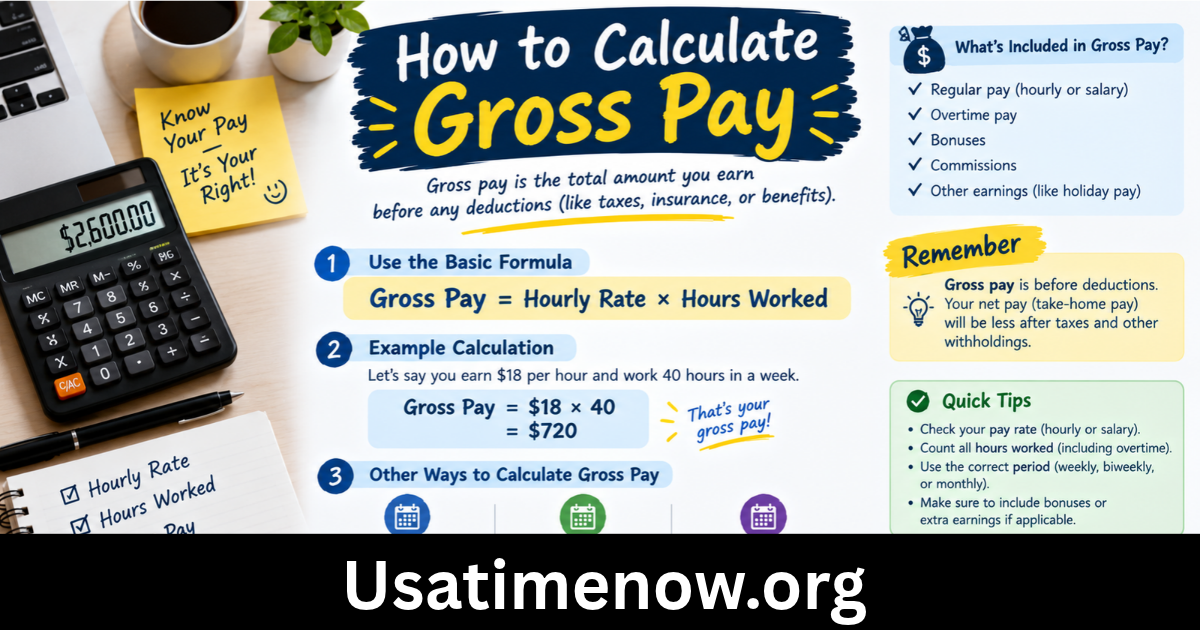
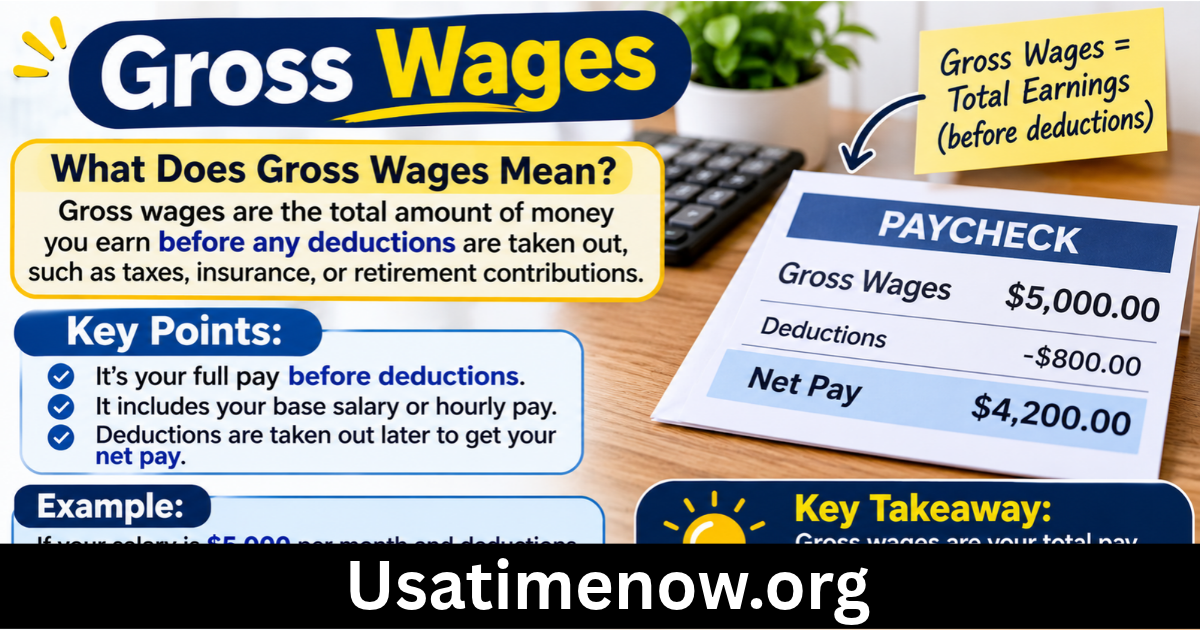
Wage regulations establish how employees must be compensated for their work. Depending on the jurisdiction, these requirements may cover minimum wages, payment schedules, deductions, payslips, and recordkeeping.
Employers should maintain accurate payroll records and explain compensation arrangements before employment begins. Employees should be able to understand their agreed salary or hourly rate, payment frequency, and any permitted deductions.
In the United States, federal and state wage laws may both apply. Employers must follow the rules that provide the applicable legal protections.
3. Working Hours and Overtime Rules
Working-hour policies explain expected schedules, breaks, attendance requirements, and overtime arrangements. Employment laws may limit working hours or require additional compensation for qualifying overtime.
For example, under the general U.S. federal Fair Labor Standards Act rule, covered, nonexempt employees must receive at least one and a half times their regular rate for hours worked beyond 40 in a workweek.
However, overtime rules vary between jurisdictions. Some locations have daily overtime requirements, different thresholds, or additional protections.
HR departments should communicate working schedules clearly and maintain reliable time records.
4. Leave and Holiday Policies
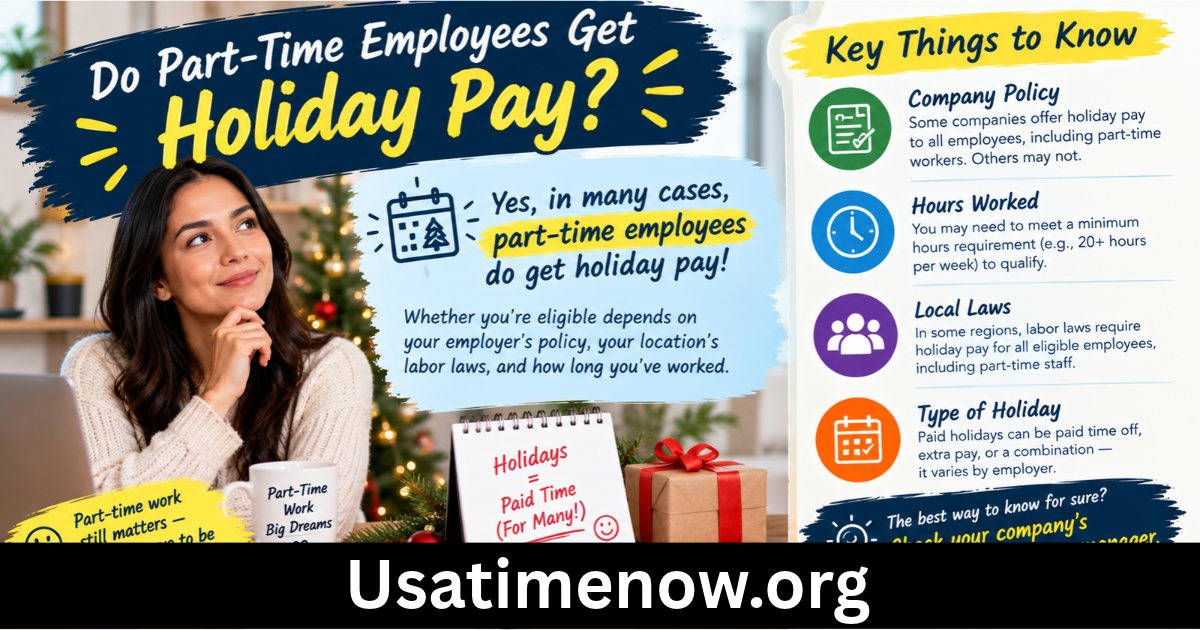
Leave policies explain when employees can take time away from work and whether that time is paid or unpaid.
Common types of employee leave include:
- Annual or vacation leave.
- Sick leave.
- Parental and maternity leave.
- Paternity leave.
- Family or medical leave.
- Public holidays.
- Bereavement leave.
The availability, duration, and payment of leave depend on local employment laws and company policies. Employers should explain application procedures, approval requirements, and any documentation employees may need to provide.
5. Workplace Health and Safety Regulations
Employers have responsibilities to provide a reasonably safe working environment and address workplace hazards. Health and safety requirements may cover equipment, training, emergency procedures, protective clothing, and accident reporting.
HR teams often work with managers and safety professionals to:
- Communicate safety procedures.
- Arrange relevant employee training.
- Report and investigate workplace incidents.
- Maintain safety documentation.
- Provide appropriate protective equipment.
- Explain emergency evacuation procedures.
A strong safety program protects employees and supports business continuity.
Employee Rights and Employer Responsibilities
HR regulations are designed to balance employee protections with legitimate business needs. Employees should understand their workplace rights, while employers should know their legal responsibilities.
Employee Rights
Depending on applicable laws, employees may have rights relating to:
- Fair and lawful compensation.
- A workplace free from unlawful discrimination and harassment.
- Appropriate health and safety protections.
- Legally required leave and breaks.
- Privacy and personal information.
- Employment records and wage information.
- Protection against certain forms of retaliation.
Employees should review their employment agreements and workplace policies to understand the protections available to them.
Employer Responsibilities
Employers are generally responsible for following applicable employment laws and maintaining fair workplace practices.
Their responsibilities may include paying employees correctly, keeping required records, preventing unlawful discrimination, addressing workplace complaints, and providing legally required safety measures.
Managers should apply company policies consistently and seek qualified legal or HR advice when handling complex employment matters.
Anti-Discrimination and Harassment Policies
Workplace discrimination and harassment can damage employee well-being, professional relationships, and organizational performance. HR policies should clearly explain unacceptable conduct and establish a fair process for reporting and investigating complaints.
Organizations should provide equal employment opportunities and avoid unlawful discrimination based on protected characteristics under applicable law.
An effective policy should explain:
- What behavior is prohibited.
- How employees can report concerns.
- Who handles workplace complaints.
- How investigations are conducted.
- What protections apply against retaliation.
- What corrective action may be taken.
Employees should know where to seek assistance if they experience or witness inappropriate workplace behavior.
Employee Attendance and Conduct Rules
Attendance and conduct policies help businesses maintain reliable operations. They explain expectations regarding punctuality, absences, professional behavior, and workplace communication.
Common attendance policies address late arrivals, shift changes, absence notifications, and procedures for requesting time off.
Employee conduct policies may cover professional communication, confidentiality, conflicts of interest, workplace equipment, and responsible use of company technology.
Rules should be written clearly and applied consistently. Employees should receive access to current policies so they understand what is expected of them.
Why HR Rules and Regulations Matter
Following HR rules and regulations benefits both employees and employers. Clear policies reduce confusion and help businesses manage employment matters more effectively.
Key benefits include:
- Legal compliance: Following employment requirements helps reduce the risk of penalties and disputes.
- Fair treatment: Consistent policies help employees understand workplace expectations.
- Better communication: Written procedures make responsibilities and reporting channels clearer.
- Improved safety: Workplace standards help identify and manage potential hazards.
- Stronger employee relationships: Fair management practices can build trust and improve job satisfaction.
- Efficient operations: Standard procedures help HR teams handle recruitment, payroll, leave, and performance management.
How Businesses Can Maintain HR Compliance
HR compliance requires regular attention because employment laws and workplace requirements can change. Businesses should review their policies periodically rather than assuming that an old employee handbook remains accurate.
Useful compliance practices include:
- Reviewing employment laws that apply to the business.
- Updating employee handbooks and workplace policies.
- Maintaining accurate payroll and attendance records.
- Training managers on employment responsibilities.
- Providing clear complaint and reporting procedures.
- Reviewing workplace safety practices.
- Protecting confidential employee information.
- Seeking professional advice when legal requirements are unclear.
Small businesses can also benefit from using reliable HR software to organize employee records, track leave, manage schedules, and support payroll administration.
Frequently Asked Questions About HR Rules and Regulations
1. What are the main HR rules and regulations?
Common HR requirements cover recruitment, wages, working hours, overtime, employee leave, workplace safety, discrimination, privacy, and employee records. The exact requirements depend on the country and applicable employment laws.
2. Why are HR rules important in the workplace?
HR rules help establish fair expectations, protect employee rights, guide management decisions, and support legal compliance. They also help prevent misunderstandings and workplace disputes.
3. Are HR policies and employment laws the same?
No. Employment laws are legal requirements established by government authorities. HR policies are workplace guidelines created by organizations. Company policies must comply with applicable laws.
4. What should an employee handbook include?
An employee handbook commonly includes attendance rules, working hours, leave policies, compensation information, workplace conduct standards, safety procedures, complaint processes, and disciplinary guidelines.
5. Can an employer change HR policies?
Employers can generally update internal policies when business needs or legal requirements change. However, changes must follow applicable laws, employment agreements, consultation requirements, and notice obligations.
6. Who is responsible for HR compliance?
HR departments often coordinate compliance, but responsibility may also involve business owners, senior managers, supervisors, and payroll or safety teams. Employers remain responsible for meeting their legal obligations.
7. How often should HR policies be reviewed?
Businesses should review HR policies regularly and whenever relevant employment laws, business operations, or workplace conditions change. An annual review can be a useful starting point, but some situations require more frequent updates.
Conclusion
HR rules and regulations provide the foundation for effective workplace management. They help businesses establish clear policies for hiring, compensation, working hours, employee leave, workplace safety, and professional conduct. hr rules and regulations They also help employees understand their rights and responsibilities. Every organization should maintain accurate, accessible, and up-to-date HR policies that reflect the employment laws applicable to its location. By reviewing procedures regularly, training managers, and communicating expectations clearly, businesses can create a more compliant, fair, and productive workplace.