



Table of Contents
An employment contract is an important document that establishes the terms and conditions of the working relationship between an employer and an employee. It explains job responsibilities, salary, working hours, benefits, leave entitlements, employment contract template and other workplace expectations. A clear contract helps both parties understand their rights and obligations from the beginning.
Using a professional employment contract template makes it easier for businesses and HR departments to prepare consistent employment agreements. Whether you are hiring a full-time employee, part-time worker, or fixed-term professional, a well-written contract can reduce misunderstandings and support a more organized workplace.
This guide explains what an employment contract should include, how to write one, and provides a customizable template with practical examples.
What Is an Employment Contract?
An employment contract is a written agreement between an employer and an employee that outlines the conditions of employment. It defines the responsibilities of both parties and explains the terms under which the employee will work.
Depending on the position and applicable employment laws, an employment contract may include:
- Employee and employer information
- Job title and responsibilities
- Employment start date
- Salary and payment arrangements
- Working hours and location
- Probation period
- Leave and benefits
- Confidentiality obligations
- Termination and notice requirements
- Signatures of both parties
Employment contracts can be permanent, temporary, part-time, or fixed-term, depending on the organization’s hiring needs.
Why Is an Employment Contract Important?
A properly prepared employment agreement provides several benefits for employers and employees.
1. Defines Employment Terms
The contract explains important details such as salary, working hours, responsibilities, and workplace policies. This helps prevent confusion about the employment arrangement.
2. Protects Both Parties
A clear written agreement documents the expectations and obligations of the employer and employee. It can help resolve disagreements by providing a reference to the agreed terms.
3. Establishes Job Responsibilities
Employees can understand what their position involves, who they report to, and what performance expectations apply.
4. Supports HR Management
Employment contracts help HR teams maintain organized employee records and manage hiring, compensation, leave, and separation procedures.
5. Promotes Professionalism
Providing a written employment agreement demonstrates that the organization follows a structured hiring process and communicates workplace expectations clearly.
What Should an Employment Contract Include?
An effective employment contract should cover the essential terms of the working relationship.
1. Employer and Employee Details
Include the legal name and contact information of the employer and employee. The agreement should identify the parties clearly.
2. Job Title and Description
State the employee’s official job title, department, reporting manager, and main responsibilities. A separate job description may be attached when necessary.
3. Employment Start Date
Mention the date employment begins. For fixed-term arrangements, also include the expected end date.
4. Salary and Compensation
Clearly state the agreed salary or wage, payment frequency, and any applicable allowances, commissions, or bonuses. Explain whether amounts are gross or net where relevant.
5. Working Hours and Location
Specify the expected working schedule, weekly hours, workplace location, and any remote or hybrid arrangements.
6. Probation Period
If applicable, explain the probation period, how performance will be assessed, and the relevant notice or confirmation arrangements, subject to applicable law.
7. Leave and Benefits
Describe annual leave, sick leave, public holidays, insurance, retirement contributions, and other benefits that apply to the employee.
8. Confidentiality and Data Protection
Explain the employee’s responsibility to protect confidential business information, customer records, and company data.
9. Termination and Notice Period
Describe how employment may end, including notice requirements, termination procedures, and any applicable final payment arrangements.
10. Signatures and Agreement Date
Provide signature spaces for both parties and include the date the agreement is signed.
Free Employment Contract Template
The following employment contract template can be customized according to the position, company policies, and applicable employment laws.
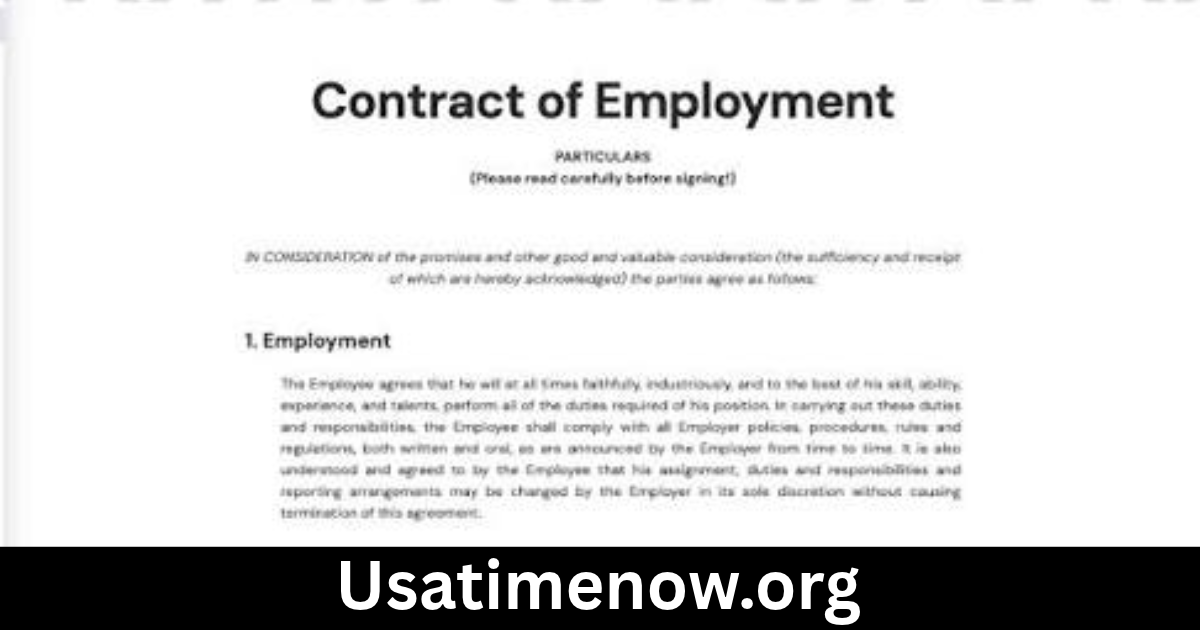
EMPLOYMENT AGREEMENT
This Employment Agreement is made on [Date] between:
Employer: [Company Name], located at [Company Address].
Employee: [Employee Full Name], residing at [Employee Address].
Both parties agree to the following terms and conditions:
1. Job Title and Responsibilities
The employer appoints the employee as [Job Title] in the [Department Name] department. The employee agrees to perform the duties associated with this position and other reasonable responsibilities related to the role.
2. Employment Start Date
Employment will begin on [Start Date]. The employment arrangement will be [Permanent/Fixed-Term/Temporary], with an expected end date of [Date] if applicable.
3. Salary and Payment
The employee will receive a gross salary of [Amount] per [Month/Year]. Payment will be made according to the company’s regular payroll schedule, subject to applicable deductions and legal requirements.
4. Working Hours
The employee’s regular working hours will be [Days and Hours]. Any overtime arrangements will follow company policy and applicable employment laws.
5. Probation Period
The employee will serve a probation period of [Duration], if applicable. Performance and suitability for the position will be reviewed during this period in accordance with company procedures and legal requirements.
6. Leave and Benefits
The employee will be eligible for applicable leave entitlements and employment benefits in accordance with company policy, the employment agreement, and relevant laws.
7. Company Policies
The employee agrees to follow reasonable workplace policies, procedures, health and safety requirements, and professional standards communicated by the employer.
8. Confidentiality
The employee agrees not to disclose confidential business information, customer data, or other protected company information without proper authorization, except where disclosure is legally protected or required.
9. Company Property
Any company equipment, documents, devices, or other property provided to the employee must be used responsibly and returned when required, including upon termination of employment.
10. Termination of Employment
Either party may terminate this agreement in accordance with the applicable notice requirements, contractual terms, and employment laws. Any outstanding payments will be handled according to applicable requirements.
11. Amendments
Any changes to this agreement should be documented in writing and approved by both parties, subject to applicable law.
12. Acceptance and Signatures
Both parties confirm that they have read and understood the terms of this agreement.
Employer Representative
Name: ______________________
Position: ____________________
Signature: __________________
Date: _______________________
Employee
Name: ______________________
Signature: __________________
Date: _______________________
Note: This is a general sample for drafting purposes, not a jurisdiction-specific legal agreement. Employers should have the contract reviewed to ensure compliance with applicable employment laws.
Types of Employment Contracts
Organizations use different employment contracts depending on the nature of the job and business requirements.
1. Permanent Employment Contract
A permanent employment contract establishes an ongoing employment relationship without a predetermined end date. It typically includes regular salary, leave entitlements, and other applicable benefits.
2. Fixed-Term Employment Contract
A fixed-term contract is created for a specific period or project. It includes an expected end date and explains the conditions for renewal or early termination.
3. Part-Time Employment Contract
A part-time employment agreement defines a reduced working schedule and the compensation arrangements for the position.
4. Temporary Employment Contract
Temporary contracts are used for short-term staffing requirements, seasonal work, or temporary business needs.
5. Probationary Employment Agreement
Some employers use specific probationary terms to explain how an employee’s suitability will be assessed during an initial period. Probation arrangements must follow applicable employment requirements.
How to Write an Effective Employment Contract
Follow these steps to prepare a clear and professional employment agreement.
Step 1: Identify the Employment Arrangement
Decide whether the position is permanent, temporary, part-time, or fixed-term.
Step 2: Confirm Job Responsibilities
Work with the hiring manager to define the employee’s duties, reporting structure, and performance expectations.
Step 3: Agree on Compensation
Confirm salary, payment frequency, allowances, benefits, and applicable deductions.
Step 4: Define Workplace Conditions
Document working hours, location, leave arrangements, and relevant workplace policies.
Step 5: Include Legal and Confidentiality Terms
Review notice requirements, confidentiality obligations, data protection, and other relevant clauses.
Step 6: Review and Sign the Agreement
Have HR or legal professionals review the contract before both parties sign and receive a copy.
Common Employment Contract Mistakes to Avoid
Poorly drafted contracts can create unnecessary workplace disputes. Avoid these common mistakes:
- Using vague language: Clearly explain responsibilities and employment conditions.
- Leaving out salary details: Specify compensation and payment frequency.
- Ignoring local employment laws: Check applicable legal requirements before issuing the agreement.
- Using unclear termination clauses: Explain notice arrangements and separation procedures.
- Overlooking benefits: Document applicable leave and compensation benefits.
- Including outdated policies: Review the agreement regularly.
- Failing to provide a signed copy: Both parties should retain an executed version.
Frequently Asked Questions (FAQs)
1. What is an employment contract template?
An employment contract template is a reusable document that helps employers prepare agreements covering job responsibilities, salary, working hours, benefits, and other employment conditions.
2. Is an employment contract legally binding?
An employment contract may be legally binding when it meets the applicable legal requirements. Its enforceability depends on the agreement’s terms, the circumstances, and the relevant jurisdiction.
3. Who prepares an employment contract?
Employment contracts are usually prepared by HR professionals, employers, or legal representatives. Hiring managers may also provide details about the role and responsibilities.
4. What is the difference between an offer letter and an employment contract?
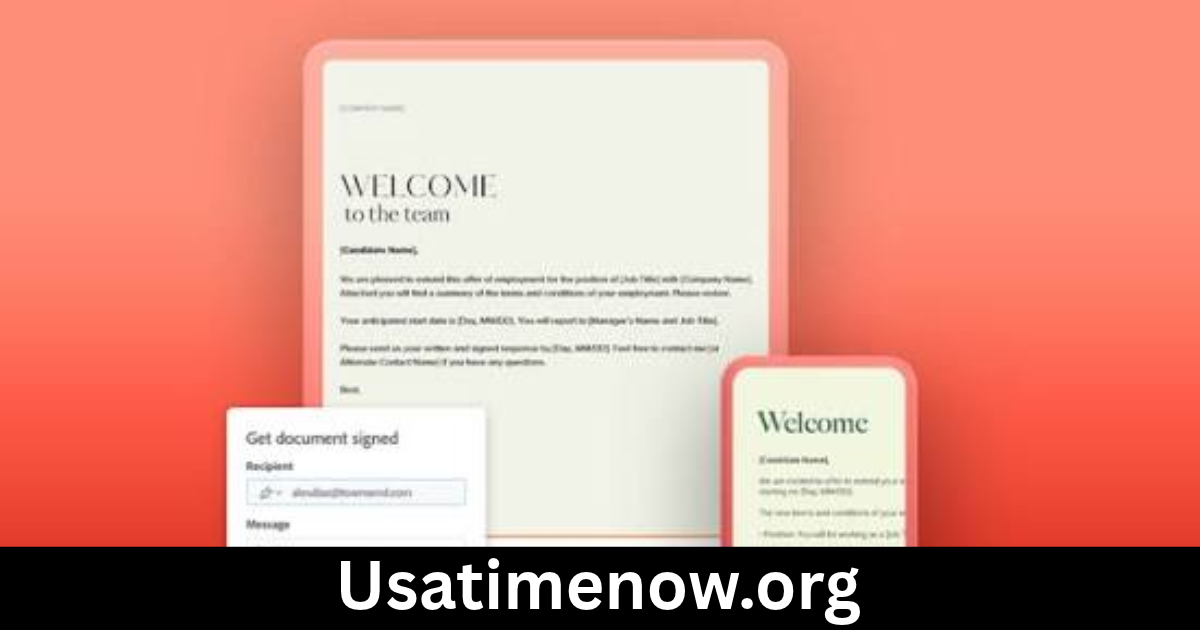
An offer letter communicates a proposed job offer and summarizes key terms. An employment contract generally provides a more detailed agreement covering the rights and obligations of both parties. However, an offer letter may also have legal effect depending on its wording and applicable law.
5. Can an employment contract be changed?
Yes. Employment contract terms can generally be changed through an agreed written amendment or updated agreement, subject to applicable legal requirements.
6. Does every employee need a written employment contract?
Requirements vary by jurisdiction and employment arrangement. Even where a written contract is not mandatory, documenting employment terms is a useful HR practice.
7. What happens if an employee violates an employment contract?
The employer should review the relevant contract terms, workplace policies, and circumstances. Any disciplinary or termination action should follow applicable procedures and employment laws.
Conclusion
An employment contract template helps organizations establish clear and professional working relationships. employment contract template By documenting job responsibilities, salary, working hours, benefits, confidentiality requirements, and termination conditions, employers can reduce misunderstandings and maintain consistent HR practices. A well-written employment agreement should reflect the actual role, company policies, and applicable employment laws. Reviewing the document before signing helps both employers and employees understand their responsibilities and begin the working relationship with confidence.