



Table of Contents
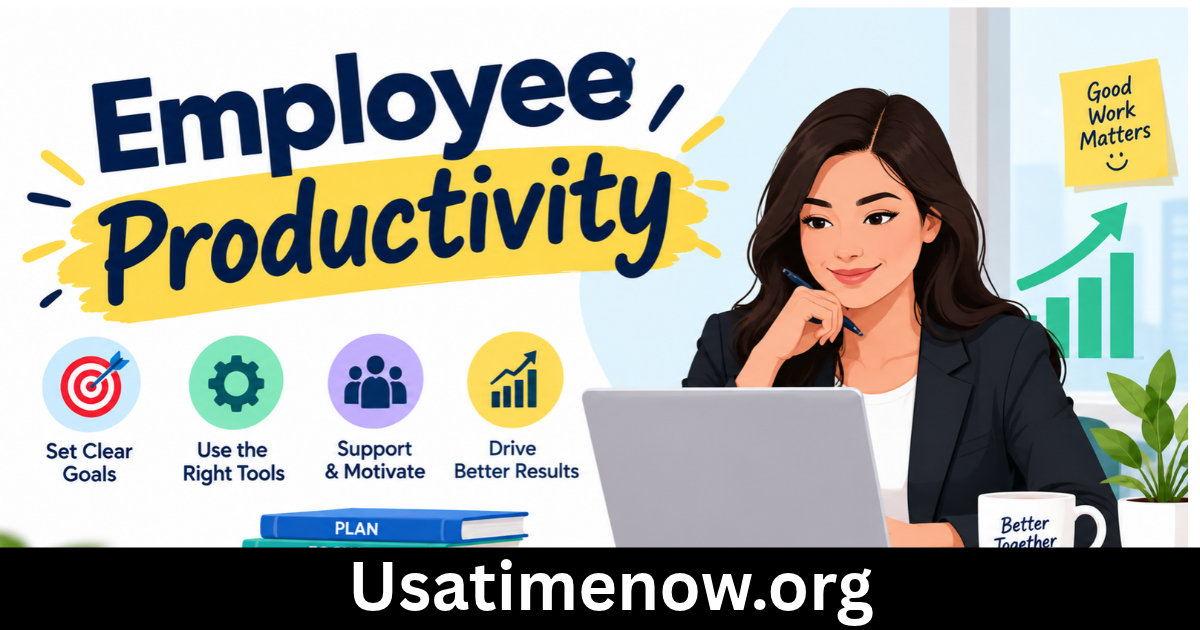
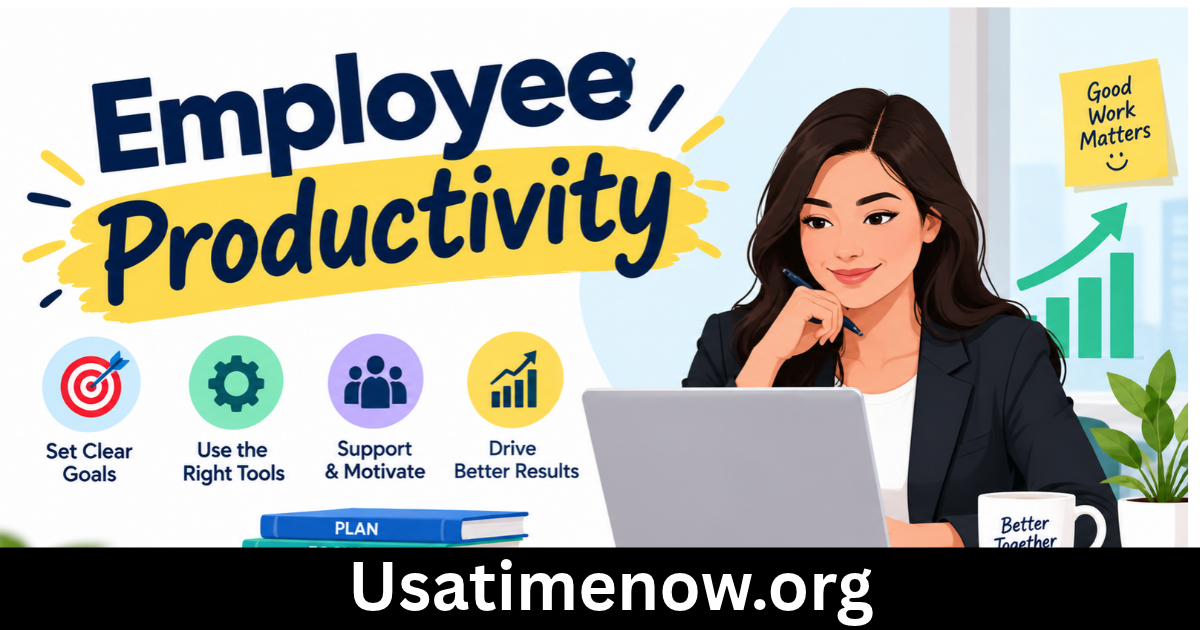
Employee productivity is an important factor in the success of any business. It measures how effectively employees use their time, skills, and available resources to complete tasks and achieve organizational goals. When employees have clear priorities, suitable tools, employee productivity and a supportive work environment, they can often accomplish more without increasing their working hours.
Improving employee productivity is not simply about working faster. It involves reducing unnecessary tasks, strengthening communication, encouraging employee development, and creating realistic schedules. By focusing on productivity time and workplace efficiency, organizations can improve performance while supporting employee satisfaction and work-life balance.
What Is Employee Productivity?
Employee productivity refers to the amount and quality of work employees complete in relation to the time, effort, and resources they use. It can be measured in different ways depending on the industry, role, and business objectives.
For example, a customer support team might measure the number of customer inquiries resolved alongside customer satisfaction. A sales team may focus on qualified leads, conversions, and revenue, while a software development team might evaluate completed features, code quality, and project progress.
Effective employee productivity measurement considers both output and quality. Completing many tasks does not necessarily mean an employee is productive if the work contains errors or fails to meet customer needs.
Why Is Employee Productivity Important?
Employee productivity affects business performance, operating costs, customer experience, and team morale. When employees can complete meaningful work efficiently, organizations may be better positioned to meet deadlines, serve customers, and manage resources.
Better Time Management
Effective productivity practices help employees prioritize important responsibilities and reduce time spent on unnecessary activities. Clear schedules and realistic deadlines make it easier to manage daily workloads.
Improved Business Performance
Productive employees contribute to smoother operations and more consistent results. When teams understand their responsibilities and have the resources they need, businesses can make better progress toward their objectives.
Higher Employee Satisfaction
A well-organized workplace can reduce confusion, unnecessary overtime, and avoidable stress. Employees are more likely to feel supported when managers provide clear expectations, useful feedback, and opportunities to develop their skills.
10 Powerful Ways to Improve Employee Productivity
1. Set Clear Goals and Expectations
Employees perform more effectively when they understand what they need to accomplish and why their work matters. Unclear responsibilities can lead to duplicated effort, missed deadlines, and wasted productivity time.
Managers should establish specific objectives, explain expected outcomes, and agree on realistic deadlines. Breaking larger projects into smaller milestones can make progress easier to monitor.
Regular check-ins can help employees ask questions, identify obstacles, and adjust priorities before small problems become major delays.
2. Prioritize Tasks Effectively
Not every task has the same level of importance. Employees who spend too much time on low-priority activities may struggle to complete work that contributes directly to business goals.
Encourage teams to identify their most important daily responsibilities before beginning work. A simple task list divided into urgent, important, and lower-priority activities can help employees make better decisions.
Time-blocking is another useful technique. Employees can reserve specific periods for focused work, meetings, email responses, and administrative responsibilities.
The goal is to create a manageable schedule rather than fill every minute with activity.
3. Provide the Right Tools and Technology
Outdated equipment and inefficient software can slow down even highly skilled employees. Businesses should evaluate whether their tools support the tasks employees perform regularly.
Depending on the organization, useful tools may include project management platforms, collaboration software, automated reporting systems, customer relationship management applications, and time-tracking solutions.
Automation can be especially valuable for repetitive tasks such as data entry, routine notifications, and report preparation. By reducing manual work, employees can spend more time on responsibilities that require judgment, creativity, and problem-solving.
Before introducing new technology, provide appropriate training and confirm that the tool addresses a genuine workplace need.
4. Reduce Unnecessary Meetings
Meetings help teams coordinate work, but excessive or poorly planned meetings can interrupt concentration and reduce available working time.
Every meeting should have a clear purpose, an appropriate list of participants, and an agenda. When a short written update or shared document can communicate the same information, a meeting may not be necessary.
Schedule meetings thoughtfully and protect periods for focused work. End discussions with clear action items, assigned responsibilities, and deadlines so employees know what happens next.
These simple changes can help teams spend less time coordinating work and more time completing it.
5. Encourage Regular Breaks
Working continuously for long periods can contribute to fatigue and reduced concentration. Short breaks give employees an opportunity to move, rest their eyes, and return to demanding tasks with renewed attention.
Organizations can encourage employees to take reasonable breaks and avoid treating constant availability as a sign of productivity.
Some people benefit from structured methods such as the Pomodoro technique, which commonly uses 25-minute work sessions followed by five-minute breaks. Others prefer longer periods of uninterrupted work.
Employees should choose a routine that fits their responsibilities while respecting workplace policies and applicable break requirements.
6. Improve Workplace Communication
Poor communication can create confusion, repeated work, and unnecessary delays. Employees need reliable ways to share information, ask questions, and report problems.
Businesses should establish clear communication channels for different purposes. For example, urgent matters may require direct contact, while project updates can be shared through a team platform.
Managers should communicate changes in priorities promptly and encourage employees to raise concerns without fear of unfair treatment.
Good communication also involves listening. Understanding employee feedback can reveal practical improvements that might otherwise be overlooked.
7. Offer Training and Professional Development
Employee productivity depends partly on whether workers have the knowledge and skills needed to complete their responsibilities effectively.
Regular training can help employees learn new software, improve technical abilities, strengthen communication, and adapt to changing business requirements.
Professional development does not always require expensive courses. Mentoring, peer learning, internal workshops, and documented procedures can also improve workplace knowledge.
Managers should identify skill gaps and connect learning opportunities to real job responsibilities. Employees who understand how to perform tasks correctly may need less rework and supervision over time.
8. Create a Comfortable Work Environment
The physical and digital work environment can influence employee focus and comfort. Poor lighting, uncomfortable furniture, excessive noise, and cluttered workspaces may make daily tasks more difficult.
Businesses can improve working conditions by providing suitable equipment, maintaining clean shared spaces, and addressing avoidable distractions.
Remote employees may also benefit from guidance on ergonomic desk arrangements, reliable internet access, and clear boundaries between work and personal time.
A comfortable environment should support different working needs rather than assume that every employee performs best under identical conditions.
9. Recognize Good Performance
Recognition can help employees feel that their contributions are valued. It can also reinforce behaviors that support quality work, teamwork, and organizational goals.
Managers can recognize achievements through specific feedback, development opportunities, team appreciation, or appropriate rewards.
Recognition should be fair, meaningful, and based on clear criteria. Focusing only on visible activity or the number of completed tasks may overlook employees who handle complex work, support colleagues, or prevent problems before they occur.
A balanced approach recognizes both individual contributions and collaborative success.
10. Measure Productivity With Meaningful Metrics
Businesses need reliable information to understand whether productivity improvements are working. However, selecting the wrong metrics can encourage rushed work or unhealthy competition.
Choose measures that reflect the responsibilities of each role. Depending on the job, these may include output quality, completion time, customer satisfaction, error rates, project milestones, or service response times.
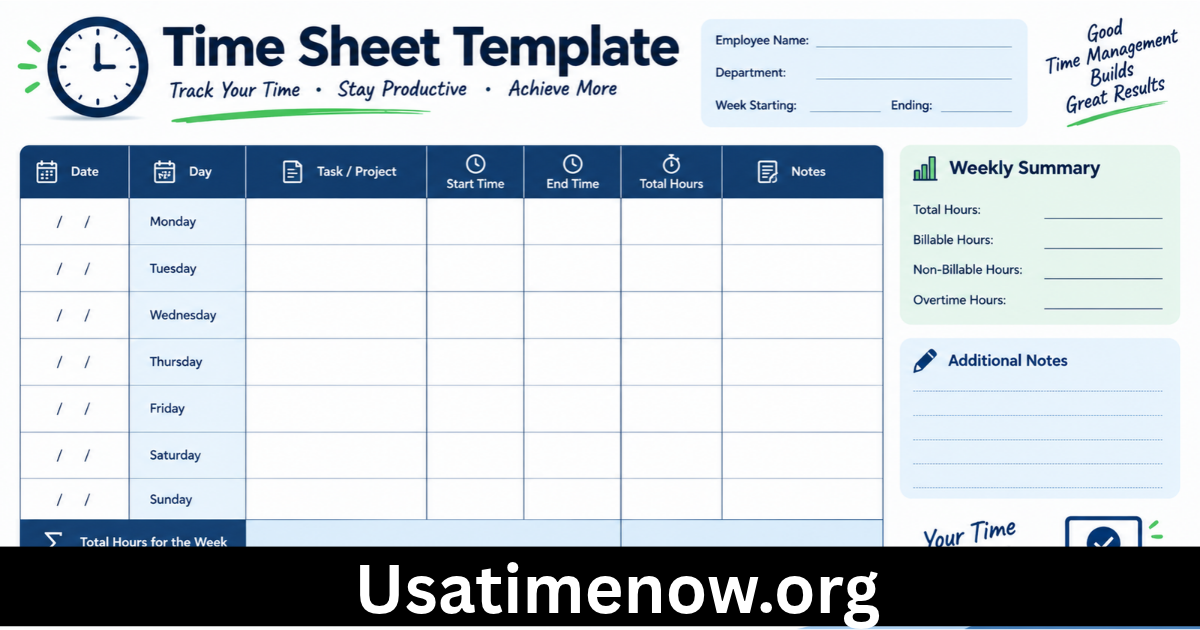
Time-tracking data can help identify where working hours are allocated, while project reports can highlight delays and resource constraints. These tools should provide useful context rather than serve as the only measure of employee performance.
Review results regularly, discuss obstacles with employees, and adjust goals when circumstances change.
How to Measure Employee Productivity
A practical employee productivity measurement process starts with a clear objective. Businesses should identify what successful performance looks like before selecting metrics.
For example, a customer service department might measure resolution time, customer satisfaction, and the percentage of issues resolved successfully. A production team might monitor output, defects, and material waste.
Managers can compare results over time to identify patterns, but they should consider workload complexity, staffing levels, training, and other relevant factors.
A useful measurement system combines quantitative data with employee feedback and performance discussions. This approach provides a fuller picture of workplace effectiveness and helps organizations avoid relying on a single number.
Common Employee Productivity Challenges
Several problems can reduce productivity even when employees work hard. Frequent interruptions, unclear priorities, insufficient training, unrealistic deadlines, and outdated systems can all create unnecessary friction.
Burnout is another concern. Persistent overwork may reduce concentration, increase mistakes, and negatively affect employee well-being.
To address these challenges, managers should investigate the underlying causes instead of automatically assuming that employees lack motivation. Better processes, manageable workloads, clearer communication, and appropriate support can often produce more sustainable improvements.
Frequently Asked Questions
1. What is employee productivity?
Employee productivity measures how effectively employees use their time, skills, and resources to produce useful work. It considers both the quantity and quality of completed tasks.
2. How can companies improve employee productivity?
Companies can improve productivity by setting clear goals, reducing unnecessary meetings, providing suitable tools, offering training, improving communication, and maintaining realistic workloads.
3. What tools help track employee productivity?
Project management platforms, time-tracking software, collaboration applications, and reporting dashboards can help organizations understand work progress. The most suitable tool depends on the team’s responsibilities and privacy requirements.
4. How does time management affect employee productivity?
Effective time management helps employees prioritize tasks, plan work sessions, and reduce avoidable interruptions. This allows them to use productivity time more effectively and meet deadlines more consistently.
5. Does working longer hours improve productivity?
Not necessarily. Longer hours can contribute to fatigue and mistakes, particularly when sustained over time. Clear priorities, efficient processes, adequate rest, and manageable workloads can support better performance without relying on excessive working hours.
6. What are the best employee productivity metrics?
Useful metrics vary by role and may include work quality, task completion, customer satisfaction, error rates, project progress, and turnaround time. Businesses should select measures that reflect meaningful outcomes rather than activity alone.
7. How can managers reduce workplace distractions?
Managers can establish communication guidelines, reduce unnecessary meetings, provide quiet work periods, clarify priorities, and encourage employees to manage nonessential notifications.
Conclusion
Employee productivity is essential for building an efficient, successful, and sustainable workplace. Businesses can improve performance by setting clear goals, managing productivity time, providing effective tools, supporting professional development, employee productivity and creating a comfortable work environment. The best results come from understanding the challenges employees face and making practical improvements that support both business objectives and employee well-being.