Table of Contents
A job interview can be challenging, especially when several people are involved in the hiring process. One common interview format used by employers is a panel interview. what is a panel interview If you have ever been invited to meet multiple interviewers at the same time, you may wonder what to expect and how to prepare.
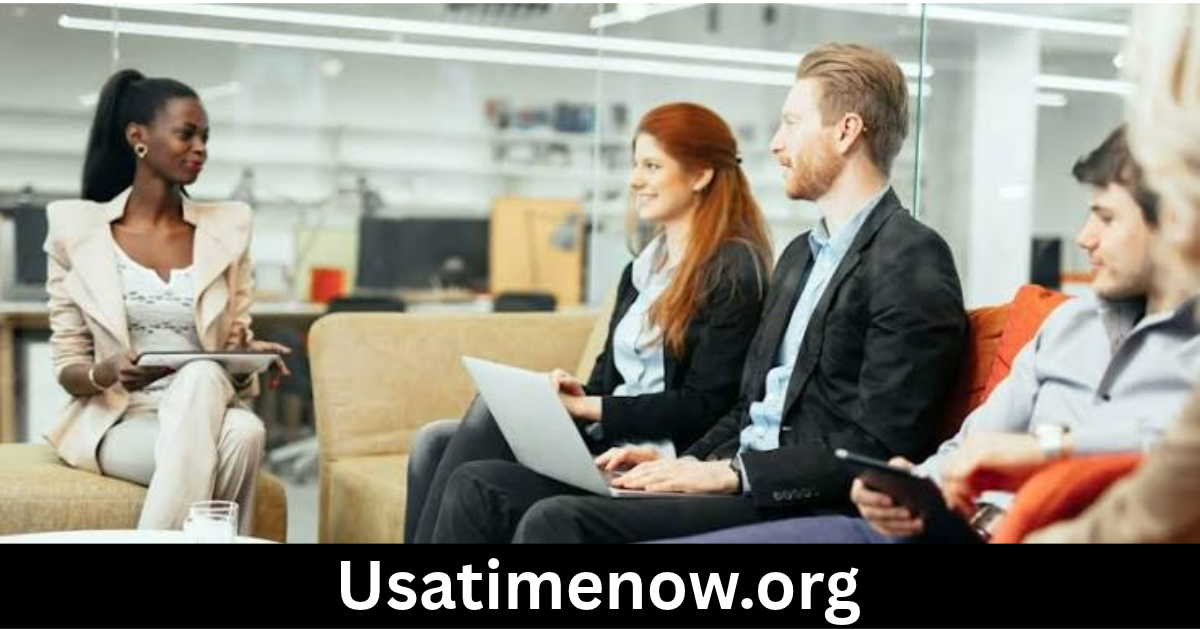
So, what is a panel interview? A panel interview is a job interview in which a candidate answers questions from two or more interviewers during the same session. what is a panel interview These interviewers may include hiring managers, team leaders, HR professionals, and potential colleagues.
Panel interviews help companies evaluate candidates from different perspectives, assess their communication skills, and make more informed hiring decisions.
In this guide, we explain how panel interviews work, their benefits, common questions, and practical tips to help you succeed.
What Is a Panel Interview?
A panel interview is a structured hiring conversation involving one candidate and multiple interviewers. Instead of meeting with one person at a time, candidates answer questions from a group of representatives during a single interview session.
Each panel member may have a different responsibility in the recruitment process. For example, an HR representative may ask about employment history, what is a panel interview while a department manager may focus on technical knowledge and job-related experience.
Panel interviews are common in corporate organizations, government departments, educational institutions, healthcare facilities, what is a panel interview and large businesses.
The main purpose is to allow several decision-makers to evaluate the same candidate and share their opinions before making a hiring decision.
How Does a Panel Interview Work?
A panel interview usually follows a planned structure, although the exact process varies between employers.
1. Introduction and Welcome
The interview typically begins with introductions. Each panel member explains their name, job title, and role in the hiring process.
The hiring manager may also explain the interview format and provide a brief overview of the position.
2. Questions From Different Interviewers
After the introductions, panel members take turns asking questions.
These questions may cover:
- Previous work experience.
- Professional achievements.
- Technical knowledge.
- Problem-solving abilities.
- Communication and teamwork.
- Career goals and motivation.
Some interviewers may ask follow-up questions based on your answers to understand your experience more clearly.
3. Candidate Questions
Near the end of the interview, candidates usually have an opportunity to ask questions.
This is a good time to learn about the company’s culture, team expectations, daily responsibilities, what is a panel interview and opportunities for professional development.
4. Closing and Next Steps
The interview normally ends with an explanation of the recruitment timeline. The employer may discuss when candidates can expect feedback and whether another interview stage is required.
Who Participates in a Panel Interview?
A panel interview usually includes two to five interviewers, although larger panels are possible.
The people involved depend on the position and the company’s hiring structure.
Hiring Manager
The hiring manager evaluates whether the candidate has the experience, skills, what is a panel interview and professional qualities needed for the role.
Human Resources Representative
An HR representative may ask questions about employment history, salary expectations, workplace behavior, and company policies.
Department Manager
A department manager assesses the candidate’s understanding of the department’s responsibilities and how they could contribute to its goals.
Potential Team Members
Future colleagues may participate to evaluate teamwork, communication, collaboration, and how well the candidate might fit into the working environment.
What Are the Benefits of a Panel Interview?
Panel interviews offer several advantages for employers and job candidates.
Faster Hiring Decisions
One major benefit is that multiple decision-makers can assess a candidate in a single meeting. This can reduce the need for several separate interviews and help speed up recruitment.
Different Perspectives
Each interviewer brings a different professional perspective. This allows employers to evaluate candidates based on technical ability, communication, experience, what is a panel interview and team compatibility.
Reduced Hiring Bias
Having several interviewers can help balance individual opinions and reduce the influence of one person’s preferences. However, panel interviews do not automatically eliminate unconscious bias.
Better Candidate Assessment
Panel members can ask questions related to their areas of expertise, helping employers gain a broader understanding of a candidate’s abilities.
What Are the Challenges of a Panel Interview?
Although panel interviews can make recruitment more efficient, they also create challenges.
Pressure and nervousness: Facing several interviewers at once can make candidates feel uncomfortable or anxious.
Different questioning styles: Each panel member may have a different communication style, making it difficult to predict what questions will come next.
Limited speaking time: Candidates may need to answer several questions within a limited period.
Conflicting expectations: Interviewers may evaluate candidates using different priorities, which can sometimes make the process more complicated.
Preparing in advance can help candidates manage these challenges confidently.
How to Prepare for a Panel Interview
Good preparation can improve your confidence and help you make a positive impression on every interviewer.
1. Research the Company
Learn about the company’s services, products, values, recent developments, what is a panel interview and workplace culture.
Understanding the organization will help you provide relevant answers and demonstrate genuine interest in the position.
2. Research the Interview Panel
If the employer shares the interviewers’ names or job titles beforehand, learn about their professional responsibilities.
This can help you understand what each person may want to evaluate during the interview.
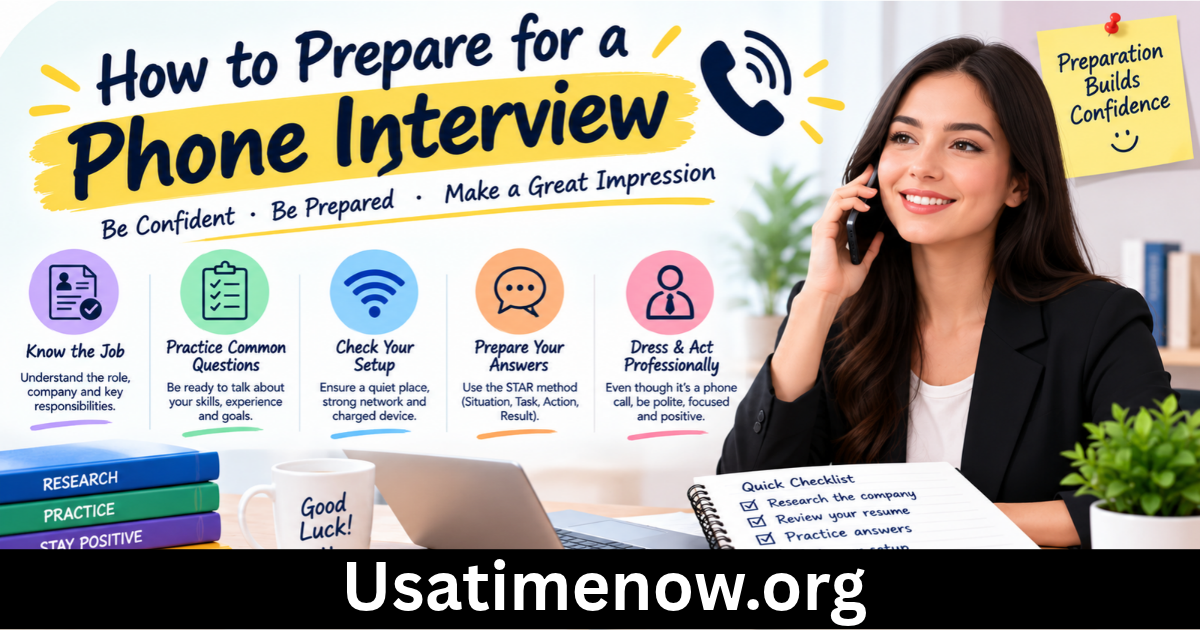
3. Practice Common Interview Questions
Prepare answers to questions about your experience, strengths, weaknesses, achievements, and career goals.
Use the STAR method for behavioral questions:
- Situation: Explain the background.
- Task: Describe your responsibility.
- Action: Explain what you did.
- Result: Share the outcome.
This method helps you deliver clear and organized answers.
4. Prepare Questions for Interviewers
Prepare two or three thoughtful questions about the position, team, company expectations, and opportunities for growth.
Asking relevant questions demonstrates preparation and what is a panel interview professional interest.
5. Dress Professionally and Arrive Early
Choose appropriate professional clothing based on the company’s workplace culture.
For an in-person interview, aim to arrive around 10–15 minutes early. For a virtual panel interview, check your internet connection, camera, microphone, and meeting link beforehand.
Common Panel Interview Questions
Panel interview questions usually focus on professional experience, workplace behavior, problem-solving, and job-specific skills.
Here are some examples:
| Interview question | What the interviewer wants to know |
|---|---|
| Tell us about yourself. | Your background and experience |
| Why do you want to work here? | Your motivation |
| How do you handle workplace conflict? | Your communication skills |
| Describe a challenging project you completed. | Your problem-solving ability |
| How do you manage multiple deadlines? | Your time-management skills |
| Why should we hire you? | Your strengths and suitability |
Practicing these questions can help you communicate your abilities more effectively.
Tips for Succeeding in a Panel Interview
Once the interview begins, focus on communicating clearly and building a connection with the entire panel.
- Make eye contact: Direct your attention to the person asking the question, but acknowledge the other interviewers as well.
- Listen carefully: Allow each interviewer to finish speaking before responding.
- Keep answers focused: Provide relevant examples instead of giving unnecessarily long explanations.
- Stay confident: Speak naturally and maintain positive body language.
- Address everyone: Avoid focusing exclusively on the hiring manager.
- Be honest: If you do not know an answer, explain what you do know and how you would approach finding a solution.
Remember that panel interviews are not just about providing correct answers. what is a panel interview They also help employers understand how you communicate and interact with others.
Frequently Asked Questions (FAQs)
1. What is the main purpose of a panel interview?
The main purpose is to allow multiple interviewers to evaluate a candidate during one interview session. It helps employers assess different skills and perspectives before making a hiring decision.
2. How many people are usually in a panel interview?
A typical panel interview includes two to five interviewers and one candidate. However, the number can vary depending on the organization and position.
3. Are panel interviews harder than regular interviews?
Panel interviews can feel more challenging because several people are evaluating you simultaneously. However, preparing answers, researching interviewers, and practicing communication can make the experience easier.
4. Should you make eye contact with everyone during a panel interview?
Yes. Focus primarily on the interviewer asking the question, but occasionally make eye contact with the other panel members to show confidence and engagement.
5. What should you wear to a panel interview?
Choose professional clothing that matches the company’s dress expectations. When unsure, business or smart business-casual attire is generally a suitable choice.
6. How long does a panel interview usually last?
Most panel interviews last between 30 and 60 minutes. Some senior-level or technical interviews may take longer, depending on the position and assessment process.
7. Can you ask questions during a panel interview?
Absolutely. Candidates are usually encouraged to ask questions at the end. You can ask about team responsibilities, workplace culture, performance expectations, and the next steps in recruitment.
Conclusion
A panel interview is a recruitment method in which multiple interviewers assess one candidate during the same session. It allows employers to evaluate professional experience, technical knowledge, communication skills, and teamwork from different perspectives. what is a panel interview Although meeting several interviewers can feel intimidating, proper preparation makes the process much easier. Researching the company, practicing common questions, maintaining eye contact, and communicating confidently can help you create a positive impression.