



Table of Contents
Finding a job can be a time-consuming and stressful process. From searching job boards and updating resumes to submitting applications and reverse recruiter preparing for interviews, job seekers often spend hours managing their career search. This is where a reverse recruiter can help.
But what is a reverse recruiter, and how is this service different from a traditional recruiter?
A reverse recruiter is a professional who works on behalf of a job seeker rather than an employer. They help candidates find suitable job opportunities, improve their application materials, connect with employers, and manage different stages of the job search.
In this guide, we explain how reverse recruiters work, what services they offer, how much they cost, and whether hiring one is worth considering.
What Is a Reverse Recruiter?
A reverse recruiter is a career professional who helps individuals find employment by managing or supporting their job search.
Unlike traditional recruiters, who are usually hired by companies to find suitable candidates, work directly for job seekers.
Their main goal is to help candidates identify employment opportunities that match their qualifications, experience, career goals, and salary expectations.
A reverse recruiter may assist with:
- Finding relevant job openings.
- Updating resumes and cover letters.
- Optimizing LinkedIn profiles.
- Submitting job applications.
- Networking with hiring managers and employers.
- Preparing candidates for interviews.
- Providing job search strategies.
Some reverse recruiters manage almost the entire application process, while others provide coaching and guidance.
The exact services depend on the professional or agency and the agreement with the client.
How Does Work?
Reverse recruiting usually follows a structured process designed to make job searching more efficient.
1. Initial Consultation
The process often begins with a conversation between the reverse recruiter and the job seeker.
During this discussion, the recruiter learns about the candidate’s professional background, education, skills, employment history, and career objectives.
They may also discuss preferred industries, job locations, salary expectations, and remote working opportunities.
2. Resume and LinkedIn Profile Optimization
After understanding the candidate’s background, the reverse recruiter may review their resume and LinkedIn profile.
They identify areas that need improvement and recommend changes to make the candidate’s professional experience more attractive to employers.
This may include adding relevant keywords, highlighting achievements, improving formatting, and emphasizing important skills.
3. Finding Suitable Job Opportunities
The reverse recruiter searches for vacancies that match the candidate’s qualifications and career goals.
Instead of applying randomly to hundreds of positions, the focus is usually on finding relevant opportunities where the candidate has a reasonable chance of success.
4. Submitting Job Applications
Depending on the service agreement, the reverse recruiter may prepare and submit applications on the candidate’s behalf.
This can involve completing online application forms, customizing resumes, writing cover letters, and tracking application progress.
Candidates should review and approve application details to ensure that all information is accurate.
5. Interview Preparation and Follow-Ups
Some reverse recruiters also help candidates prepare for interviews.
They may provide practice questions, explain employer expectations, and offer advice on communicating professional achievements.
They can also help organize follow-up communication after applications and interviews.
What Services Does a Provide?
Reverse recruiters offer different services depending on their experience, business model, and specialization.
Resume Writing and Optimization
A professional resume is essential when applying for competitive positions, may help candidates create resumes that clearly communicate their qualifications and achievements.
They can also tailor resumes to specific job descriptions and applicant tracking system (ATS) requirements.
LinkedIn Profile Management
LinkedIn is an important platform for professional networking and recruitment.
A reverse recruiter may improve a candidate’s headline, professional summary, skills section, and employment history to make the profile more attractive to potential employers.
Job Search Management
Managing multiple job applications can become overwhelming, help organize the process by tracking vacancies, deadlines, applications, and employer responses.
Career Coaching
Some professionals provide career advice to help candidates identify suitable industries, evaluate opportunities, and establish realistic employment goals.
Networking Support
Reverse recruiters may help candidates identify relevant professional contacts and develop networking strategies.
However, access to employers or guaranteed introductions should never be assumed unless clearly included in the service agreement.
What Is the Difference Between a Traditional Recruiter and a Reverse Recruiter?
The main difference is who hires and pays the recruiter.
A traditional recruiter generally works for an employer, while a reverse recruiter works for a job seeker.
| Feature | Traditional recruiter | Reverse recruiter |
|---|---|---|
| Main client | Employer | Job seeker |
| Primary goal | Fill job vacancies | Help candidates find jobs |
| Payment | Usually employer-funded | Usually candidate-funded |
| Resume assistance | May be provided | Often included |
| Job applications | Sources candidates for employers | May submit applications for candidates |
| Career guidance | Varies | Often part of the service |
Both types of recruiters can play useful roles in the hiring process, but their responsibilities and priorities are different.
What Are the Benefits of Hiring ?
Hiring a reverse recruiter can offer several advantages, especially for professionals who have limited time or need additional job search support.
1. Saves Time
Searching for jobs, preparing applications, and following up with employers can take many hours.
A reverse recruiter can manage some of these responsibilities, allowing candidates to focus on their current jobs, personal commitments, and interview preparation.
2. Provides Professional Guidance
Job seekers may struggle to identify their strengths or present their experience effectively.
A reverse recruiter can offer practical feedback on resumes, career positioning, and application strategies.
3. Improves Job Search Organization
Keeping track of multiple applications and interview schedules can become difficult.
A reverse recruiter can help create a more organized process and reduce missed opportunities.
4. Helps Identify Better Opportunities
Rather than applying to every available vacancy, candidates can focus on positions that match their experience, qualifications, and salary expectations.
5. Supports Interview Preparation
Some reverse recruiters provide mock interviews and practical advice that help candidates communicate confidently with hiring managers.
How Much Does a Cost?
The cost of hiring a reverse recruiter varies depending on the services provided, the professional’s experience, and the length of the agreement.
Some charge a fixed fee for a complete job search package, while others offer monthly subscriptions or individual services.
Common pricing arrangements include:
- Fixed packages: A single payment for an agreed set of services.
- Monthly fees: Recurring payments for ongoing job search assistance.
- Hourly rates: Payment for individual consultations or career coaching.
- Customized packages: Pricing based on the candidate’s specific requirements.
Before paying for a service, ask for a written breakdown of what is included, how applications are handled, and whether additional fees apply.
Be cautious of anyone promising guaranteed employment or asking for large upfront payments without a clear service agreement.
How to Choose the Right Reverse Recruiter
Choosing is important because you may share personal information, employment history, and career goals with them.
Consider these factors before making a decision:
1. Check experience: Look for professionals with relevant experience in recruitment, career coaching, or your target industry.
2. Review client feedback: Read independent reviews and testimonials to understand previous clients’ experiences.
3. Understand the services: Confirm whether the recruiter provides resume writing, job searching, application management, networking, or interview preparation.
4. Ask about pricing: Make sure all fees, payment conditions, and cancellation policies are clear.
5. Protect your personal information: Never share account passwords or allow someone to submit applications containing inaccurate information on your behalf.
6. Avoid unrealistic promises: A trustworthy reverse recruiter should explain that hiring decisions are made by employers and cannot be guaranteed.
Is Hiring a Worth It?
Hiring a reverse recruiter may be worthwhile for professionals who have demanding schedules, are changing careers, or need support with a complicated job search.
For example, experienced professionals applying for senior-level positions may benefit from personalized career positioning and networking assistance.
However, candidates with limited budgets or straightforward job search needs may prefer using free job boards, LinkedIn resources, and career advice services.
The best decision depends on your financial situation, career goals, available time, and the quality of services offered.
Frequently Asked Questions (FAQs)
1. What does a reverse recruiter do?
A reverse recruiter works for job seekers and helps them find suitable employment opportunities. Their services may include resume improvement, job searching, application submissions, networking, and interview preparation.
2. Is a reverse recruiter the same as a career coach?
No. A career coach generally focuses on professional development, career planning, and interview skills. A provide these services while also actively managing job applications and searching for vacancies.
3. Do reverse recruiters guarantee jobs?
No legitimate reverse recruiter can guarantee employment. Hiring decisions are made by employers, and success depends on qualifications, experience, competition, and market conditions.
4. Who should hire?
Reverse recruiters may be helpful for busy professionals, executives, career changers, and job seekers who need additional support managing their applications.
5. Do reverse recruiters apply for jobs on your behalf?
Some do. Depending on the service agreement, they may search for vacancies, customize application materials, and submit applications with the candidate’s approval.
6. How much does a charge?
Pricing varies by professional and service package. Some charge fixed fees, while others use monthly subscriptions or hourly rates. Candidates should compare services and costs before signing an agreement.
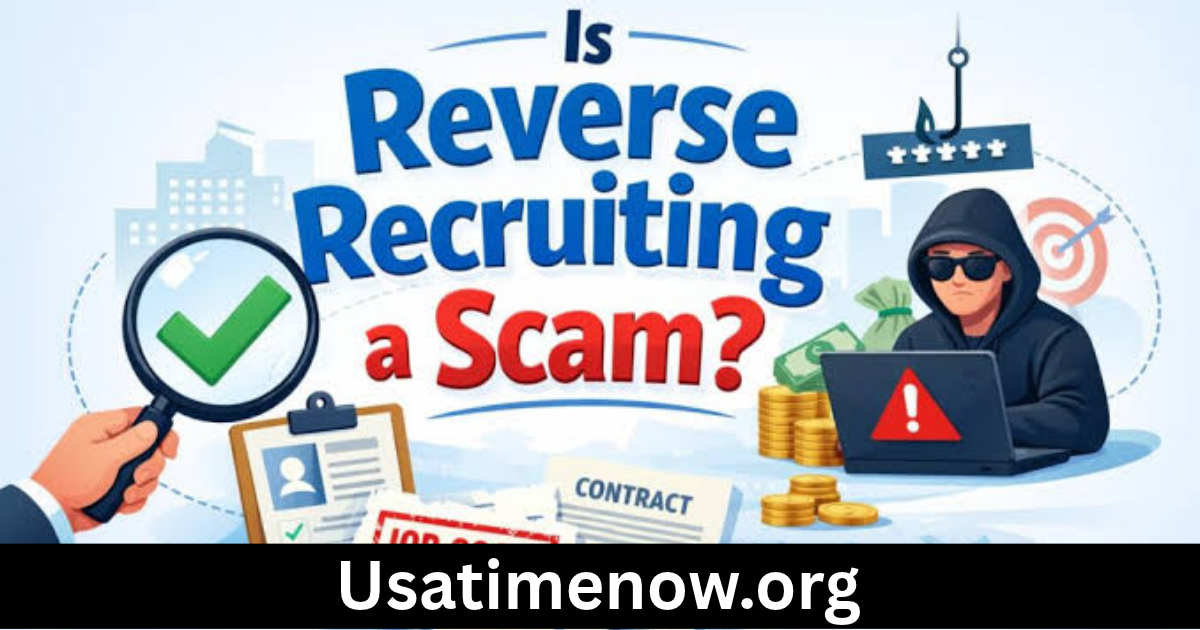
7. Are legitimate?
Yes, reverse recruiting is a legitimate type of career support service. However, service quality varies, so candidates should research professionals, check reviews, and avoid anyone making unrealistic employment promises.
Conclusion
A professional who helps job seekers manage their employment search and connect with suitable career opportunities. reverse recruiter Unlike traditional recruiters, who primarily work for employers, represent the interests of candidates. Their services may include resume optimization, LinkedIn profile improvement, job application management, networking support, and interview preparation. Although hiring can save time and provide valuable professional guidance, it is important to understand the costs, services, and limitations before making a commitment.