




Table of Contents
Payroll compliance is an essential responsibility for every business that employs workers. It involves following applicable employment laws, tax regulations, wage requirements, payroll compliance and payroll reporting rules when calculating and distributing employee compensation.
Maintaining payroll compliance helps organizations pay employees correctly, manage deductions, keep accurate records, and avoid costly administrative problems. Whether a company operates a small team or a large workforce, understanding payroll compliance is important for protecting employees and maintaining responsible business operations.
What Is Payroll Compliance?
Payroll compliance refers to following the legal and regulatory requirements associated with employee compensation. These requirements vary depending on the country, state, industry, and employment arrangement.
A compliant payroll system generally ensures that businesses:
- Pay employees according to applicable wage laws.
- Calculate overtime correctly.
- Withhold and report required taxes.
- Make legally required contributions.
- Provide accurate payslips where required.
- Maintain payroll and employment records.
- Follow applicable payment schedules.
- Protect confidential employee information.
The primary goal is to ensure that payroll activities meet legal requirements while maintaining accurate financial records.
Why Is Payroll Compliance Important?
Payroll compliance protects businesses and employees by creating clear standards for compensation and payroll administration.
1. Prevents Legal and Financial Penalties
Incorrect wage calculations, missed tax payments, or incomplete payroll records can result in penalties, interest, legal disputes, or additional administrative costs.
Following applicable regulations helps organizations reduce these risks.
2. Protects Employee Rights
Employees have rights concerning wages, overtime, deductions, and other employment benefits. Proper payroll compliance helps ensure these rights are respected.
3. Builds Employee Trust
Accurate salary payments and transparent payslips create confidence in the employer. Employees are more likely to trust an organization that handles compensation consistently.
4. Improves Financial Management
Compliant payroll records help businesses understand labor costs, monitor deductions, prepare financial reports, and manage payroll budgets.
5. Supports Business Reputation
Organizations that follow employment and payroll requirements demonstrate responsible business practices. This can strengthen relationships with employees, customers, and business partners.
Key Areas of Payroll Compliance
Payroll compliance covers several important areas that businesses must manage carefully.
Minimum Wage Requirements
Employers must follow applicable minimum wage laws. The required wage may vary according to location, industry, employee category, and working arrangement.
Businesses should regularly review wage rates to ensure employee compensation meets current requirements.
Overtime Pay Regulations
Many jurisdictions establish rules governing overtime compensation. These rules may specify when additional hours qualify for overtime and what payment rates apply.
Payroll teams should maintain accurate working-hour records and apply the correct overtime calculations.
Tax Withholding and Reporting
Employers may be required to calculate, withhold, deposit, and report payroll-related taxes.
Requirements differ between countries. Businesses should understand their responsibilities regarding employee income tax, employer contributions, reporting deadlines, and required documentation.
Employee Classification
Correctly classifying workers is an important part of payroll compliance.
Employees and independent contractors may be subject to different payment, tax, and employment rules. Organizations should evaluate the actual working relationship and applicable legal tests rather than relying only on job titles or contract wording.
Payroll Deductions
Employers must ensure deductions are legally permitted and correctly calculated.
These may include taxes, social insurance contributions, retirement contributions, insurance premiums, and other authorized deductions.
Payslip Requirements
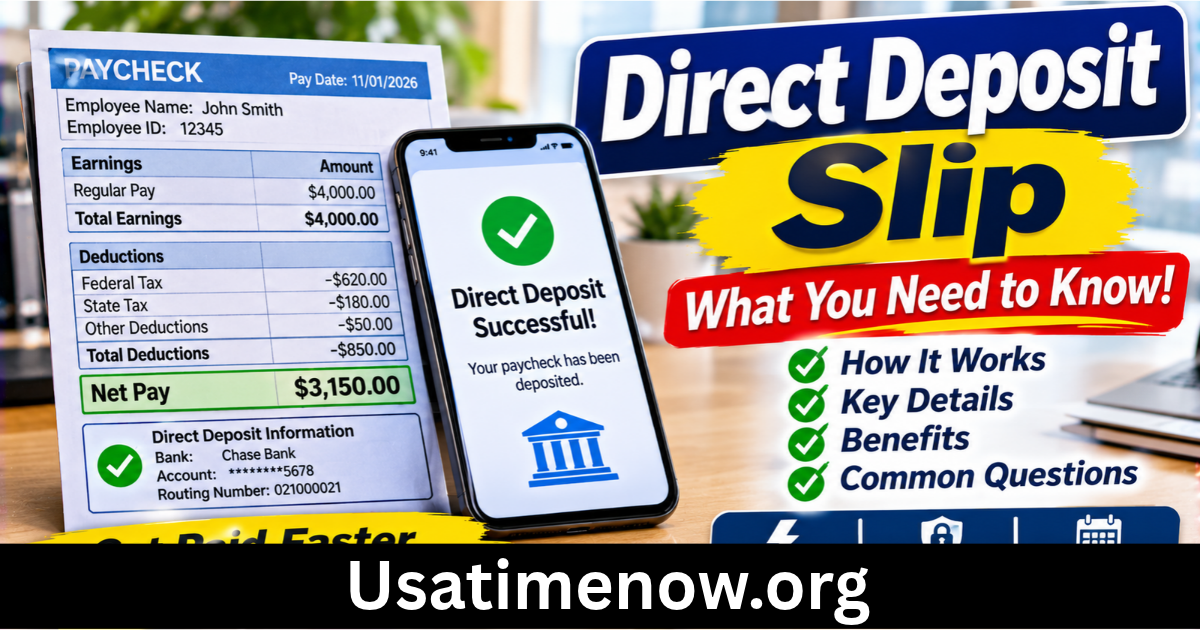
Some jurisdictions require employers to provide employees with detailed wage statements or payslips.
These documents may include gross earnings, deductions, overtime, net pay, and payment dates.
Payroll Recordkeeping
Businesses may need to maintain records of employee wages, working hours, deductions, tax payments, and other payroll information.
The required retention period depends on applicable regulations.
How to Maintain Payroll Compliance
A structured payroll compliance process helps businesses manage their responsibilities consistently.
Step 1: Understand Applicable Laws
Identify the employment, tax, wage, and reporting requirements that apply to your organization.
Businesses operating in multiple locations should review the rules for each relevant jurisdiction.
Step 2: Maintain Accurate Employee Records
Keep employee information updated, including salary rates, employment status, bank details, tax information, and authorized deductions.
Accurate records help prevent payroll errors and support regulatory reporting.
Step 3: Track Working Hours
Use reliable attendance systems, timesheets, or time-tracking software to record employee working hours.
Accurate records are especially important for hourly employees, overtime calculations, and leave management.
Step 4: Calculate Payroll Correctly
Review gross wages, overtime, bonuses, allowances, taxes, and other deductions before determining net pay.
Payroll calculations should follow applicable laws and employment agreements.
Step 5: Meet Payment and Reporting Deadlines
Establish a payroll calendar that includes salary dates, tax deadlines, contribution payments, and reporting requirements.
Meeting deadlines helps avoid unnecessary delays and compliance problems.
Step 6: Maintain Supporting Documentation
Keep payroll reports, payslips, attendance records, payment confirmations, and relevant tax documents in an organized and secure system.
Step 7: Review Payroll Regularly
Conduct periodic payroll checks to identify incorrect payments, missing records, unauthorized deductions, and other inconsistencies.
Common Payroll Compliance Mistakes
Even experienced payroll teams can make mistakes when managing complex compensation requirements.
Incorrect Employee Classification
Misclassifying employees as independent contractors can create tax and employment compliance problems.
Solution: Review worker responsibilities, working arrangements, and applicable legal classification tests.
Incorrect Overtime Calculations
Using the wrong overtime rate or failing to record eligible working hours can result in underpayment.
Solution: Maintain accurate timesheets and regularly review overtime calculations.
Missing Tax Deadlines
Late tax deposits or incomplete reports may result in financial penalties.
Solution: Use a compliance calendar and assign clear responsibility for payroll tax submissions.
Inaccurate Employee Information
Outdated salary details, incorrect bank information, or missing documentation can create payroll errors.
Solution: Establish a process for updating employee records whenever changes occur.
Poor Recordkeeping
Incomplete payroll records make it difficult to verify payments and respond to audits.
Solution: Use organized digital storage systems and follow applicable record retention requirements.
Ignoring Regulatory Changes
Employment and tax regulations can change over time. Outdated payroll procedures may result in noncompliance.
Solution: Monitor official regulatory updates and consult qualified professionals when necessary.
How Payroll Software Helps With Compliance
Payroll software can make payroll compliance easier by automating repetitive tasks and organizing important records.
Automated Payroll Calculations
Software can calculate wages, overtime, deductions, and net pay using configured rules. This reduces manual work and certain calculation errors.
Tax and Reporting Support
Some payroll platforms help calculate payroll taxes, prepare reports, and track payment deadlines. Businesses should verify that the software supports the regulations applicable to their location.
Employee Record Management
Digital systems help organizations maintain employee information, salary details, and payroll history in one place.
Time and Attendance Integration
Integrated attendance tools can transfer working-hour information into payroll systems, helping improve overtime and wage calculations.
Secure Documentation
Payroll platforms may offer access controls, document storage, and audit trails. Employers should still review security settings and protect sensitive information.
Payroll Compliance Checklist for Employers
Businesses can use the following checklist to review their payroll procedures:
- Confirm employee classifications are accurate.
- Review current minimum wage requirements.
- Verify employee salary and hourly rates.
- Track regular working hours and overtime.
- Check payroll deductions and tax calculations.
- Process payments according to required schedules.
- Provide required payslips or wage statements.
- Submit payroll taxes and reports on time.
- Maintain accurate employee and payroll records.
- Protect confidential payroll information.
- Review payroll procedures for regulatory changes.
- Conduct periodic payroll audits.
This checklist is a general starting point. Employers should adapt it to the requirements of their jurisdiction and workforce.
Best Practices for Effective Payroll Compliance
Organizations can strengthen payroll compliance by following these practical recommendations:
- Create written payroll policies: Clearly explain salary calculations, deductions, payment schedules, and approval procedures.
- Train payroll employees: Ensure staff understand relevant regulations and internal processes.
- Use reliable technology: Choose payroll software that supports the organization’s legal and reporting requirements.
- Separate payroll responsibilities: Where practical, assign payroll preparation and approval to different authorized employees.
- Conduct regular audits: Review calculations, payments, and supporting documents.
- Protect employee data: Restrict access to sensitive information and use secure systems.
- Seek professional advice: Consult qualified payroll, accounting, or employment law professionals when requirements are unclear.
FAQs About Payroll Compliance
1. What is the main purpose of payroll compliance?
The main purpose is to ensure employers follow applicable wage, tax, employment, deduction, payment, and recordkeeping requirements when compensating employees.
2. Who is responsible for payroll compliance?
Responsibility may be shared by HR departments, payroll administrators, accounting teams, business owners, and external payroll providers. Employers generally remain responsible for meeting their legal obligations.
3. What happens if a company does not follow payroll regulations?
Noncompliance may lead to penalties, back-pay obligations, interest, audits, legal disputes, and damage to employee trust. Consequences depend on the applicable laws and circumstances.
4. How often should payroll compliance be reviewed?
Businesses should review payroll procedures regularly and whenever significant changes occur in employment regulations, tax requirements, compensation policies, or workforce arrangements.
5. Does payroll software guarantee compliance?
No. Payroll software can support accurate calculations and reporting, but employers must configure it correctly, maintain accurate information, and verify that its features meet applicable requirements.
6. What documents are important for payroll compliance?
Important records may include employment agreements, attendance records, wage statements, payroll registers, tax documents, deduction authorizations, and payment confirmations.
7. Is payroll compliance different in every country?
Yes. Wage laws, tax requirements, overtime rules, employee benefits, reporting obligations, and record retention periods vary by jurisdiction.
Conclusion
Payroll compliance is an essential part of responsible business management. It ensures employees receive appropriate compensation while helping organizations meet wage, tax, employment, and recordkeeping requirements. payroll compliance By maintaining accurate employee records, tracking working hours, calculating deductions correctly, using reliable payroll software, and reviewing procedures regularly, businesses can reduce compliance risks and improve payroll efficiency.