



Table of Contents
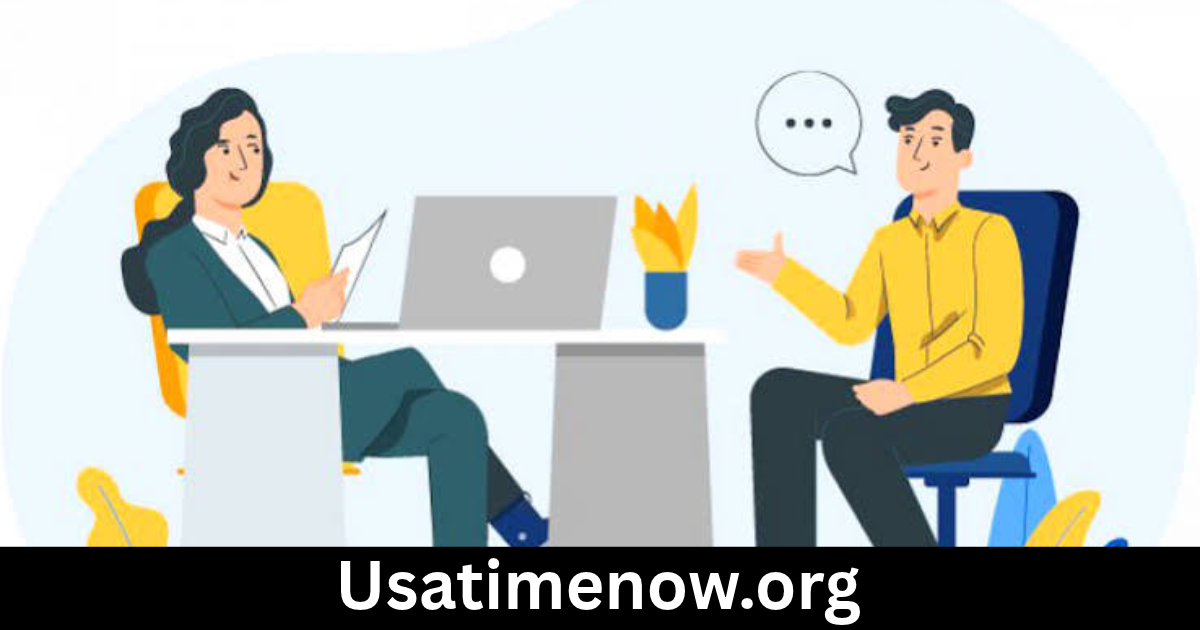
Preparing for a job interview requires more than reviewing your qualifications and professional experience. Employers also want to understand how you handle challenges, communicate with colleagues, solve problems, behavioural interview questions and respond to different workplace situations. This is why behavioural interview questions have become an important part of modern recruitment.
These questions help hiring managers evaluate your past experiences to understand how you might perform in a new role. Whether you are applying for your first job or pursuing a senior position, learning how to answer behavioural interview questions can improve your confidence and help you make a positive impression.
What Are Behavioural Interview Questions?
Behavioural interview questions are questions that ask candidates to describe how they handled specific situations in their previous work, education, or personal experiences.
Employers use these questions to understand a candidate’s professional behaviour, decision-making abilities, communication skills, and approach to workplace challenges.
For example, an interviewer might ask, “Tell me about a time you had to deal with a difficult customer.” Instead of giving a general answer, you should describe a real situation, explain what you did, and discuss the outcome.
The main idea behind behavioural interviewing is that previous experiences can provide useful insights into how someone may approach similar situations in the future.
Why Do Employers Ask Behavioural Interview Questions?
Employers use behavioural interview questions to look beyond a candidate’s resume and technical qualifications. They want to understand how applicants behave in practical workplace situations.
These questions help recruiters evaluate several important qualities:
- Problem-solving: How effectively candidates identify and resolve challenges.
- Communication: How they share information and interact with others.
- Teamwork: How they cooperate with colleagues to achieve shared goals.
- Leadership: How they take responsibility and guide others.
- Adaptability: How they respond to unexpected changes.
- Time management: How they organize responsibilities and meet deadlines.
By examining real examples, employers can make more informed hiring decisions.
15 Common Behavioural Interview Questions and How to Answer Them
Understanding common behavioural interview questions can help you prepare relevant examples before your interview.
1. Tell Me About a Time You Faced a Difficult Challenge
Employers want to understand your problem-solving abilities and how you respond under pressure.
Choose a genuine workplace or academic challenge. Explain the problem, describe the steps you took, and highlight the final outcome.
2. Describe a Situation Where You Worked as Part of a Team
This question evaluates your collaboration and interpersonal skills. Discuss a project where you worked with different people, contributed ideas, and helped achieve a common objective.
3. Tell Me About a Time You Made a Mistake
Interviewers want to see whether you can accept responsibility and learn from experience.
Choose a manageable mistake, explain how you addressed it, and describe what you learned to prevent similar problems in the future.
4. How Have You Handled a Difficult Customer or Colleague?
This question evaluates your communication, patience, and conflict-resolution abilities.
Explain how you listened to the other person’s concerns, remained professional, and worked toward a practical solution.
5. Describe a Time You Had to Meet a Tight Deadline
Employers use this question to assess time management and organizational skills.
Discuss how you prioritized tasks, organized your schedule, managed distractions, and completed the work within the required timeframe.
6. Tell Me About a Time You Demonstrated Leadership
You do not necessarily need to have held a management position to answer this question.
You can discuss a situation where you took initiative, supported colleagues, organized a project, or helped a team overcome a challenge.
7. Describe a Situation Where You Had to Adapt to Change
Businesses regularly introduce new technologies, processes, and responsibilities.
Explain how you responded to an unexpected change, learned new skills, and maintained your performance during the transition.
8. Tell Me About a Time You Solved a Complex Problem
Choose an example that demonstrates logical thinking and decision-making.
Explain how you identified the issue, evaluated possible solutions, selected an approach, and achieved a positive result.
9. Describe a Time You Received Constructive Feedback
Employers want employees who are willing to improve.
Discuss the feedback you received, how you responded, and the practical steps you took to strengthen your performance.
10. Tell Me About a Time You Went Above and Beyond
This question helps employers understand your motivation and commitment.
Share an example where you voluntarily took additional responsibility or identified an opportunity to improve a process.
11. Describe a Time You Disagreed With a Team Member
Explain how you handled the disagreement respectfully, considered different perspectives, and worked toward a solution without damaging the professional relationship.
12. Tell Me About a Time You Had to Learn Something Quickly
Employers value candidates who can develop new skills when circumstances require them.
Describe what you needed to learn, how you approached the learning process, and how you applied your new knowledge.
13. How Have You Managed Multiple Responsibilities?
Discuss a situation where you handled several tasks simultaneously. Explain how you established priorities, organized your time, and ensured important responsibilities were completed.
14. Tell Me About a Time You Took Initiative
Choose an example where you identified a problem or opportunity without waiting for someone else to assign the task.
Explain what action you took and how it benefited your team or organization.
15. Describe Your Most Successful Professional Achievement
Select an achievement that demonstrates your skills and creates a clear connection with the position you are applying for.
Include measurable results whenever possible, such as improved customer satisfaction, reduced processing time, or successful project completion.
How to Answer Behavioural Interview Questions Using the STAR Method
One of the most effective ways to structure answers is the STAR method. It helps candidates provide clear, organized, and relevant examples.
STAR stands for four elements:
Situation: Describe the background and explain what was happening.
Task: Identify your responsibility or the challenge you needed to address.
Action: Explain the specific steps you personally took to handle the situation.
Result: Describe the outcome and what you learned from the experience.
For example, if an interviewer asks how you handled a tight deadline, you could explain that your team had an important project with limited time. Your responsibility was to complete a specific part of the project. You organized the tasks, communicated with colleagues, and focused on the highest-priority activities. As a result, the project was completed before the deadline.
Whenever possible, include measurable results to make your answer more convincing.
Tips for Preparing for Behavioural Interview Questions
Good preparation can help you answer interview questions confidently without memorizing lengthy scripts.
Review the Job Description
Identify the skills and qualities the employer wants. Prepare examples that demonstrate those specific abilities.
Prepare Real-Life Examples
Think about situations involving teamwork, leadership, problem-solving, conflict resolution, and time management. Candidates with limited professional experience can also use examples from education, volunteering, internships, or personal projects.
Keep Your Answers Specific
Avoid giving vague statements such as “I am a good team player.” Instead, describe an actual situation that demonstrates your ability to work with others.
Focus on Your Contribution
When discussing team achievements, explain what you personally did rather than describing only the team’s overall performance.
Practice Speaking Naturally
Practice answering questions aloud, but avoid memorizing every sentence. Natural and well-organized answers usually create a better impression.
Common Mistakes to Avoid
Candidates sometimes make avoidable mistakes when answering behavioural interview questions.
One common mistake is providing answers that are too general. Employers want specific examples rather than unsupported claims about personal strengths.
Another mistake is blaming colleagues or previous employers when discussing difficult situations. Focus on your actions and professional lessons instead.
You should also avoid exaggerating achievements or taking credit for work completed by others. Honest answers are more credible and easier to explain during follow-up questions.
Finally, do not forget to explain the result. An answer that describes the situation and actions without discussing the outcome may feel incomplete.
Frequently Asked Questions (FAQs)
1. What are the most common behavioural interview questions?
Common questions cover teamwork, leadership, problem-solving, conflict resolution, time management, adaptability, and handling difficult situations.
2. What is the STAR method in an interview?
The STAR method is a structured approach that stands for Situation, Task, Action, and Result. It helps candidates explain previous experiences clearly and effectively.
3. How long should a behavioural interview answer be?
Most answers should take approximately one to two minutes, depending on the complexity of the example. Focus on providing enough detail without unnecessary explanations.
4. Can I use personal experiences in behavioural interviews?
Yes. If you have limited professional experience, you can use relevant examples from university projects, internships, volunteering, extracurricular activities, or other responsibilities.
5. How many behavioural interview questions should I prepare for?
Preparing 10 to 15 common questions is a useful starting point. Focus on developing flexible examples that demonstrate multiple professional skills.
6. What should I avoid when answering behavioural questions?
Avoid vague answers, exaggerated achievements, negative comments about previous colleagues, and examples that do not explain your personal contribution.
7. Are behavioural interview questions difficult?
They can be challenging because they require candidates to recall real experiences and explain their actions. However, practicing the STAR method can make answering them much easier.
Conclusion
Behavioural interview questions give employers an opportunity to understand how candidates approach real workplace situations. They reveal important qualities such as communication, leadership, teamwork, adaptability, and problem-solving. behavioural interview questions Preparing relevant examples and using the STAR method can help you deliver clear and convincing answers. By reviewing common questions, practicing your responses, and focusing on genuine professional experiences, you can approach your next interview with greater confidence and improve your chances of making a strong impression.