




Table of Contents
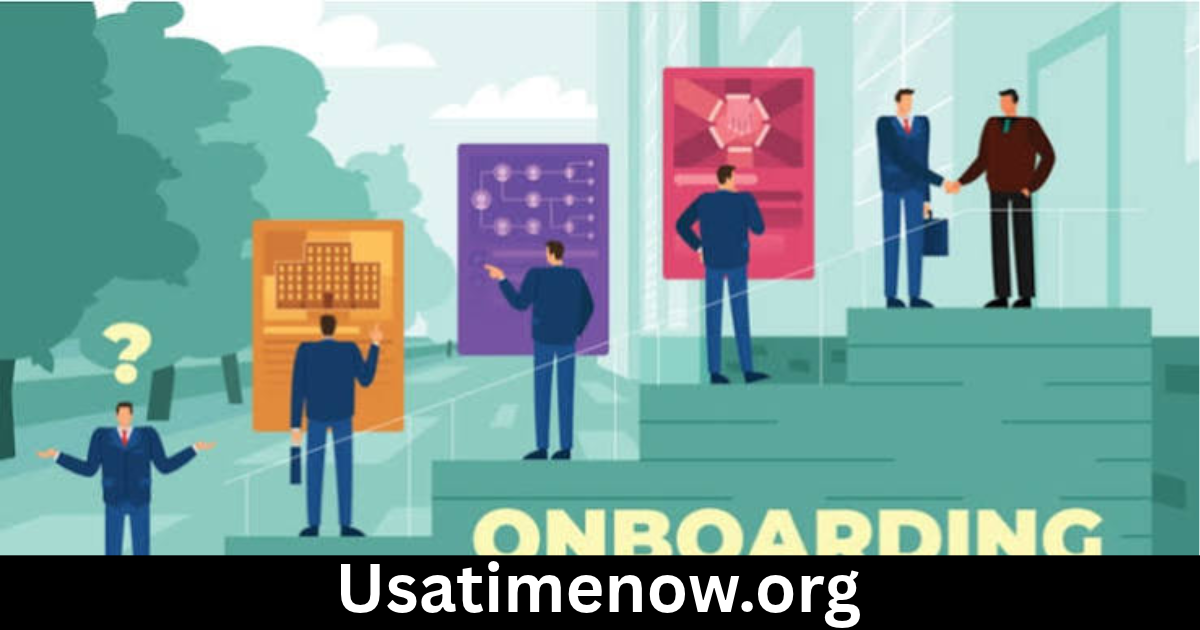
An effective onboarding process helps new employees feel welcomed, understand their responsibilities, and become productive members of an organization. onboarding process Starting a new job can be challenging because employees must learn company policies, workplace procedures, team expectations, and the skills required for their roles. A structured onboarding program makes this transition easier and creates a positive first impression.
For employers, onboarding is more than completing paperwork or introducing employees to their colleagues. It is an opportunity to build trust, improve engagement, reduce early turnover, and support long-term employee success. This guide explains the employee onboarding process, its key stages, benefits, and best practices.
What Is the Onboarding Process?
The onboarding process is a structured approach to integrating new employees into an organization. It introduces them to the company’s culture, policies, people, tools, and job responsibilities.
Onboarding usually begins after an employee accepts a job offer and continues through the first several weeks or months of employment. Its purpose is to help new hires understand how the organization operates and what they need to succeed in their positions.
A typical onboarding process includes employment documentation, company orientation, role-specific training, introductions to colleagues, goal setting, and regular performance check-ins.
Why Is the Employee Onboarding Process Important?
A well-organized onboarding process benefits both employees and employers. It reduces uncertainty, establishes clear expectations, and helps new hires become comfortable in their working environment.
Key benefits include:
- Faster productivity: Employees learn their responsibilities and workplace systems more efficiently.
- Improved employee retention: A positive first experience can encourage employees to remain with the organization.
- Higher employee engagement: New hires feel supported and connected to their teams.
- Clear expectations: Employees understand their duties, performance standards, and workplace policies.
- Stronger company culture: Onboarding introduces employees to organizational values and professional expectations.
- Better teamwork: Introductions and collaboration activities help new hires build workplace relationships.
- Reduced confusion: Proper guidance helps employees understand procedures and where to find assistance.
The Main Stages of the Onboarding Process
An effective onboarding program should follow a clear structure. Each stage prepares employees for the next step in their professional journey.
1. Preboarding: Before the First Day
Preboarding begins after a candidate accepts the job offer but before their official start date.
During this stage, HR teams can send a welcome email, share essential employment documents, explain the first-day schedule, and provide information about workplace arrangements.
Other activities may include:
- Completing required employment paperwork.
- Preparing employee accounts and login credentials.
- Arranging equipment and workspace.
- Sharing company policies and an employee handbook.
- Informing the team about the new employee’s arrival.
- Assigning a manager, mentor, or onboarding buddy.
Good preboarding helps reduce first-day uncertainty and makes new employees feel expected and welcome.
2. First-Day Orientation
The first day introduces employees to the organization and their immediate working environment.
HR professionals or managers should explain the company’s background, mission, values, workplace rules, and important procedures. New employees should also meet their colleagues and understand who to contact for assistance.
A first-day orientation may include a workplace tour, introductions, an overview of employee benefits, and an explanation of basic job expectations.
3. Job-Specific Training
After orientation, employees need practical training related to their positions.
Training may cover software, equipment, daily procedures, customer service standards, safety requirements, and department-specific responsibilities.
Managers should provide demonstrations, written instructions, and opportunities to practice tasks. Training should be appropriate to the employee’s experience and the complexity of the role.
4. Team Integration
Building relationships with colleagues is an important part of successful onboarding.
Managers can introduce new hires to team members, assign collaborative tasks, and arrange regular conversations with colleagues. An onboarding buddy can also help employees understand informal workplace practices and find answers to everyday questions.
5. Setting Goals and Expectations
New employees should understand what successful performance looks like.
Managers can establish short-term objectives, explain key performance indicators, and discuss priorities for the first 30, 60, and 90 days.
These goals should be realistic and appropriate to the employee’s role, experience, and training progress.
6. Regular Check-Ins and Feedback
Onboarding should continue beyond the first day. Managers should schedule regular check-ins to discuss progress, answer questions, identify challenges, and provide constructive feedback.
These conversations help employees understand whether they are meeting expectations and give managers an opportunity to adjust training or provide additional support.
Employee Onboarding Timeline: 30-60-90 Day Plan
A 30-60-90 day onboarding plan provides a practical framework for helping new employees transition into their roles.
| Time Period | Main Focus | Example Activities |
|---|---|---|
| First 30 days | Learning and orientation | Understand company policies, meet colleagues, complete initial training |
| Days 31–60 | Skill development | Handle regular tasks, work on projects, receive feedback |
| Days 61–90 | Performance and independence | Manage responsibilities more independently and review progress |
The timeline should be flexible. Some positions require longer training periods, while experienced employees may become comfortable with their responsibilities more quickly.
Employee Onboarding Checklist
An onboarding checklist helps HR teams and managers ensure that important activities are completed consistently.
Before the First Day
- Prepare the employment agreement and required documents.
- Send a welcome message and first-day instructions.
- Arrange equipment, workspace, and system access.
- Assign an onboarding buddy or contact person.
- Inform relevant team members about the new hire.
On the First Day
- Welcome the employee and introduce the team.
- Explain company policies and workplace expectations.
- Provide an overview of job responsibilities.
- Complete necessary administrative formalities.
- Explain communication channels and support resources.
During the First Week
- Begin role-specific training.
- Demonstrate important systems and procedures.
- Schedule meetings with relevant colleagues.
- Discuss initial goals and priorities.
- Ask for feedback about the onboarding experience.
During the First 90 Days
- Review training progress.
- Provide regular coaching and feedback.
- Evaluate progress against agreed goals.
- Address questions and development needs.
- Conduct a formal onboarding review.
Best Practices for an Effective Onboarding Process
Organizations can improve the employee onboarding experience by following a few practical strategies.
Personalize the Experience
Different employees have different responsibilities, experience levels, and learning needs. Customize onboarding activities to match each position instead of using exactly the same training for every employee.
Make Communication Clear
Provide employees with accurate information about their responsibilities, workplace policies, schedules, and reporting relationships. Clear communication prevents misunderstandings.
Use Technology to Simplify Onboarding
HR management systems and onboarding platforms can help manage paperwork, training materials, employee records, and progress tracking. Digital tools are particularly useful for remote and hybrid employees.
Encourage Questions and Feedback
New hires may hesitate to ask questions because they are unfamiliar with the workplace. Managers should create an environment where employees feel comfortable requesting clarification and sharing concerns.
Train Managers and Onboarding Buddies
Managers and assigned colleagues should understand their responsibilities in the onboarding process. Consistent support helps employees receive accurate guidance.
Review and Improve the Process
Collect feedback from new employees and managers to identify gaps in the onboarding experience. Use this information to update training materials, communication practices, and onboarding schedules.
Common Onboarding Mistakes to Avoid
Even well-intentioned organizations can make mistakes that affect the new employee experience.
Common problems include:
- Overloading new hires with too much information on the first day.
- Providing unclear job responsibilities.
- Delaying access to essential equipment or software.
- Failing to introduce employees to their teams.
- Treating onboarding as a one-day activity.
- Providing insufficient job-specific training.
- Ignoring employee questions and feedback.
- Failing to check progress after the initial training period.
Avoiding these mistakes can make onboarding more organized, supportive, and effective.
How to Measure Onboarding Success
Organizations should evaluate onboarding programs to determine whether new employees are receiving the support they need.
Useful onboarding metrics include:
- Time to productivity: How long it takes a new employee to perform essential job responsibilities effectively.
- New hire retention rate: The percentage of employees who remain with the organization after a defined period.
- Training completion rate: The percentage of required onboarding activities completed.
- New hire satisfaction: Employee feedback about the onboarding experience.
- Performance progress: How effectively new employees meet agreed performance goals.
- Manager feedback: Supervisors’ assessments of employee readiness and development.
Reviewing these measures helps HR teams identify successful practices and areas requiring improvement.
Frequently Asked Questions (FAQs)
1. What are the five stages of the onboarding process?
A common onboarding framework includes preboarding, first-day orientation, job-specific training, team integration, and ongoing feedback and performance reviews.
2. How long should the employee onboarding process take?
Onboarding commonly continues for 30 to 90 days, although some roles require several months of training and support.
3. What is the difference between onboarding and orientation?
Orientation is usually a short introduction to the organization, its policies, and workplace procedures. Onboarding is a broader process that includes orientation, training, relationship-building, and ongoing support.
4. Who is responsible for onboarding new employees?
HR teams typically coordinate the process, while managers, team members, trainers, and onboarding buddies help employees understand their roles and integrate into the workplace.
5. What should be included in an employee onboarding checklist?
A checklist should include employment documentation, equipment preparation, company orientation, introductions, job training, goal setting, and progress reviews.
6. Why is onboarding important for employee retention?
A positive onboarding experience helps employees feel supported, understand their responsibilities, and develop connections with colleagues. These factors can contribute to stronger employee retention.
7. How can companies improve their onboarding process?
Companies can improve onboarding through personalized training, clear communication, prepared equipment, regular feedback, manager involvement, and continuous evaluation.
Conclusion
An effective onboarding process helps new employees transition into their roles with confidence and clarity. onboarding process By combining preboarding, orientation, job-specific training, team integration, and ongoing feedback, organizations can create a positive employee experience from the beginning. Successful onboarding requires cooperation between HR professionals, managers, and colleagues. When businesses invest in structured onboarding programs, they can improve productivity, strengthen employee engagement, reduce early turnover, and build a more capable workforce.