Table of Contents
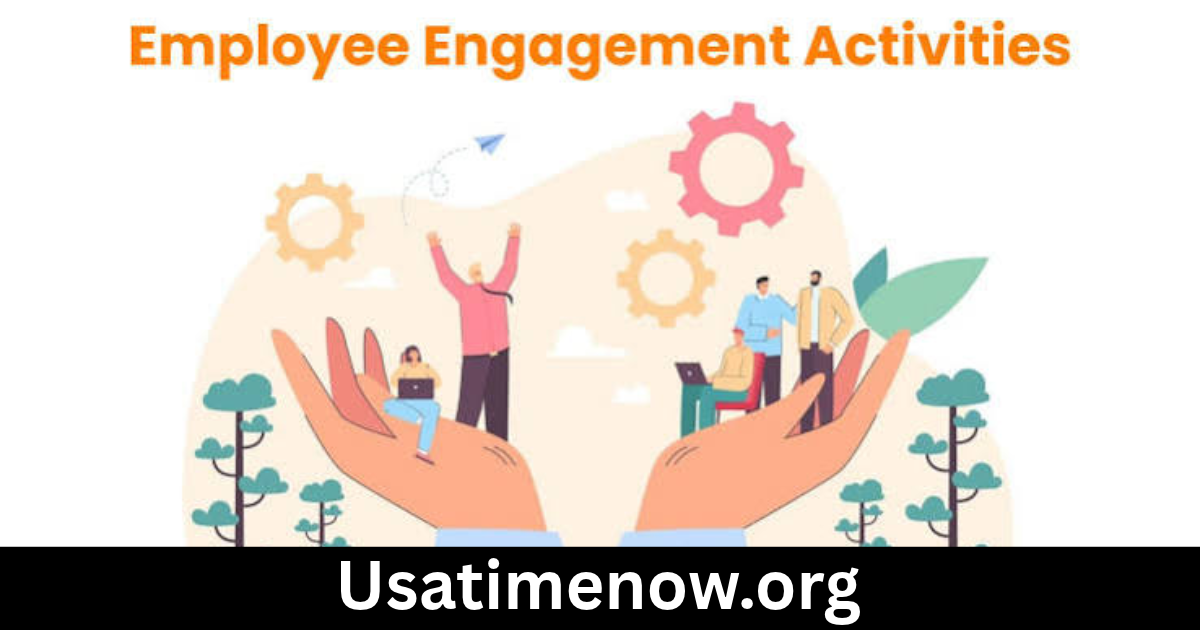
Employee engagement activities help organizations create a positive workplace where employees feel valued, motivated, and connected to their work. employee engagement activities These activities encourage teamwork, improve communication, strengthen relationships, and support employee satisfaction. From team-building games to recognition programs, businesses can use different engagement strategies to create a more productive work environment.
Whether your team works in an office, remotely, or in a hybrid setting, choosing the right employee engagement activities can improve workplace morale and encourage collaboration. This guide explores practical engagement ideas, their benefits, and tips for implementing them successfully.
What Are Employee Engagement Activities?
Employee engagement activities are organized initiatives designed to improve employees’ connection with their workplace, colleagues, and organizational goals.
These activities can be formal or informal and may take place during working hours, team meetings, company events, or professional development sessions.
Common examples include:
- Team-building exercises
- Employee recognition programs
- Workplace wellness activities
- Training and development workshops
- Social events and celebrations
- Employee feedback sessions
- Volunteer and community activities
The goal is to create an environment where employees feel respected, supported, and motivated to contribute.
Why Are Employee Engagement Activities Important?
Employee engagement is an important part of building a healthy workplace culture. Well-planned activities can benefit employees and employers in several ways.
1. Improve Teamwork and Collaboration
Team-building activities encourage employees to communicate, solve problems, and work toward shared objectives. They also help colleagues build relationships beyond their daily responsibilities.
2. Increase Employee Motivation
Recognition events, appreciation programs, and opportunities for development can help employees feel that their contributions matter.
3. Strengthen Workplace Relationships
Social activities give employees opportunities to connect with coworkers from different teams and departments. Stronger relationships can encourage cooperation and mutual support.
4. Support Employee Retention
Employees who feel respected and connected to their organization may be more likely to remain with the company. Engagement activities can contribute to a positive employee experience when supported by fair policies and good management.
5. Encourage Creativity and Innovation
Collaborative challenges and brainstorming sessions allow employees to share ideas, explore solutions, and approach workplace problems from different perspectives.
6. Improve Workplace Communication
Regular engagement activities create opportunities for employees and managers to exchange feedback, discuss concerns, and share information.
30+ Employee Engagement Activities to Try at Work
The best employee engagement activities are inclusive, enjoyable, and relevant to your team’s needs. Here are practical ideas organizations can use throughout the year.
1. Team-Building Employee Engagement Activities
Team-building activities help employees develop trust, improve communication, and strengthen collaboration.
1. Office Trivia Games
Organize a trivia competition with questions about general knowledge, company history, entertainment, or workplace topics. Employees can participate individually or in teams.
2. Problem-Solving Challenges
Divide employees into small groups and give them a workplace-related challenge to solve within a set time. This encourages creative thinking and collaboration.
3. Escape Room Activities
Arrange an escape room experience where teams solve puzzles and complete challenges together. For remote teams, virtual escape room games can provide a similar experience.
4. Team Lunches
Organize occasional team lunches where employees can relax and connect outside their usual work responsibilities.
5. Two Truths and a Lie
Ask employees to share three statements about themselves, with one being false. Team members try to identify the false statement, making it a simple way to learn more about colleagues.
2. Employee Recognition Activities
Recognition activities help employees feel appreciated for their effort, achievements, and contributions.
6. Employee of the Month
Recognize an employee each month for outstanding contributions, teamwork, customer service, or other job-related achievements.
7. Peer-to-Peer Recognition
Create a system where employees can nominate coworkers who have provided helpful support or demonstrated company values.
8. Appreciation Wall
Set up a physical or digital appreciation board where employees can share positive messages and recognize colleagues.
9. Milestone Celebrations
Celebrate work anniversaries, promotions, certifications, and important career achievements.
10. Personalized Thank-You Notes
Encourage managers to send thoughtful messages recognizing specific employee contributions rather than relying only on general praise.
3. Employee Wellness Activities
Wellness activities can support physical health, mental well-being, and a healthier work-life balance.
11. Walking Meetings
For suitable discussions, encourage employees to participate in short walking meetings instead of always sitting in a conference room.
12. Workplace Fitness Challenges
Organize optional step-count, stretching, or movement challenges. Keep participation flexible and accessible to employees with different abilities.
13. Mindfulness Sessions
Offer short guided breathing or mindfulness sessions to help employees take a break and manage everyday workplace stress.
14. Healthy Snack Days
Provide nutritious snacks or invite employees to share healthy food ideas during occasional workplace events.
15. Wellness Workshops
Arrange sessions about stress management, sleep habits, healthy routines, or work-life balance with qualified professionals where appropriate.
4. Professional Development Activities
Learning opportunities help employees develop skills and prepare for future responsibilities.
16. Lunch and Learn Sessions
Invite employees or subject experts to share knowledge during an informal learning session.
17. Skills-Sharing Workshops
Encourage team members to teach coworkers useful skills, such as spreadsheet techniques, presentation methods, or project management tools.
18. Mentorship Programs
Pair experienced employees with colleagues who want guidance, career advice, or support developing specific skills.
19. Career Development Discussions
Schedule conversations about professional goals, training opportunities, and potential career paths within the organization.
20. Learning Challenges
Create optional monthly learning goals, such as completing a course, reading an industry article, or learning a new workplace tool.
5. Remote Employee Engagement Activities
Remote employees also need opportunities to connect, collaborate, and feel included in company culture.
21. Virtual Coffee Breaks
Schedule informal video calls where employees can talk about everyday topics without discussing work assignments.
22. Online Team Games
Host virtual trivia, quizzes, word games, or collaborative challenges that remote employees can enjoy together.
23. Virtual Recognition Events
Celebrate employee achievements during online team meetings or through a dedicated company communication channel.
24. Remote Team Show-and-Tell
Invite employees to share a hobby, favorite book, personal project, or interesting experience during a short virtual session.
25. Online Feedback Sessions
Use virtual meetings or anonymous surveys to understand employee experiences and identify opportunities to improve remote working arrangements.
6. Creative and Fun Workplace Engagement Activities
Fun activities can make the workplace more enjoyable while encouraging employees to interact with colleagues.
26. Theme Days
Organize optional themed events, such as favorite sports team day, cultural celebration day, or casual Friday.
27. Office Talent Show
Give employees an opportunity to share a talent, hobby, or creative skill in a friendly and supportive environment.
28. Desk Decoration Contest
Invite employees to decorate their workspaces around a theme. Remote employees can submit photos of their home offices.
29. Birthday Celebrations
Recognize employee birthdays with optional team celebrations, messages, or small gestures of appreciation.
30. Community Volunteering
Arrange opportunities for employees to participate in local community projects, charity events, or environmental initiatives.
How to Choose the Right Employee Engagement Activities
Not every activity works for every organization. The best approach is to understand employees’ interests, workplace culture, and available resources.
Understand Employee Preferences
Use surveys, informal discussions, and feedback sessions to learn which activities employees find meaningful. Avoid assuming everyone enjoys the same events.
Consider Different Work Arrangements
Include office-based, remote, hybrid, and shift-based employees. Make sure engagement opportunities are accessible to people working different schedules.
Set a Realistic Budget
Some activities, such as recognition messages and virtual trivia, cost very little. Larger events, workshops, and outings may require additional funding.
Make Participation Inclusive
Activities should be voluntary where possible and considerate of different abilities, cultural backgrounds, schedules, and personal preferences.
Connect Activities to Workplace Goals
Choose activities that support priorities such as collaboration, communication, professional development, recognition, or employee well-being.
How to Measure the Success of Employee Engagement Activities
Organizations should evaluate whether their engagement initiatives are making a meaningful difference.
Useful measures include:
- Employee feedback: Ask participants whether activities were enjoyable and useful.
- Participation rates: Track attendance and involvement without pressuring employees.
- Employee engagement surveys: Compare feedback over time to identify workplace trends.
- Retention rates: Monitor employee turnover alongside other workplace factors.
- Team collaboration: Gather feedback about communication and cooperation between departments.
- Recognition participation: Evaluate whether employees regularly acknowledge coworkers’ contributions.
Remember that engagement activities alone cannot solve deeper workplace problems. Leadership quality, compensation, workload, career opportunities, and organizational culture also influence employee engagement.
7 Frequently Asked Questions About Employee Engagement Activities
1. What Are the Best Employee Engagement Activities?
Popular activities include team-building games, employee recognition programs, team lunches, wellness challenges, mentorship programs, and professional development workshops. The best options depend on employee preferences and company goals.
2. How Often Should Companies Organize Employee Engagement Activities?
Many organizations arrange small engagement activities weekly or monthly and organize larger events quarterly or annually. Consistency and employee interest are more important than frequency.
3. What Are Some Low-Cost Employee Engagement Ideas?
Low-cost ideas include virtual trivia, appreciation messages, team brainstorming sessions, walking meetings, skills-sharing workshops, and peer recognition programs.
4. How Can You Engage Remote Employees?
Remote employees can participate in virtual coffee breaks, online games, digital recognition programs, remote learning sessions, and regular feedback meetings.
5. Do Employee Engagement Activities Improve Productivity?
They can support productivity by strengthening relationships, improving communication, and encouraging motivation. However, results depend on the quality of management, working conditions, and whether activities address employees’ actual needs.
6. How Can HR Measure Employee Engagement?
HR teams can use engagement surveys, employee feedback, participation data, retention trends, and discussions with managers to understand engagement levels.
7. Should Employee Engagement Activities Be Mandatory?
Most social and recreational activities should be optional. Employees may have different schedules, responsibilities, interests, or personal circumstances, so participation should not become an additional source of workplace pressure.
Conclusion
Employee engagement activities are valuable tools for creating a connected, motivated, and collaborative workplace. employee engagement activities From team-building games and recognition programs to wellness workshops and remote activities, organizations have many ways to strengthen employee relationships and improve the overall work experience. The most effective employee engagement strategies are inclusive, consistent, and based on employee feedback. By choosing meaningful activities, recognizing contributions, and creating opportunities for professional growth, businesses can build a workplace culture where employees feel valued and motivated to succeed.