




Table of Contents
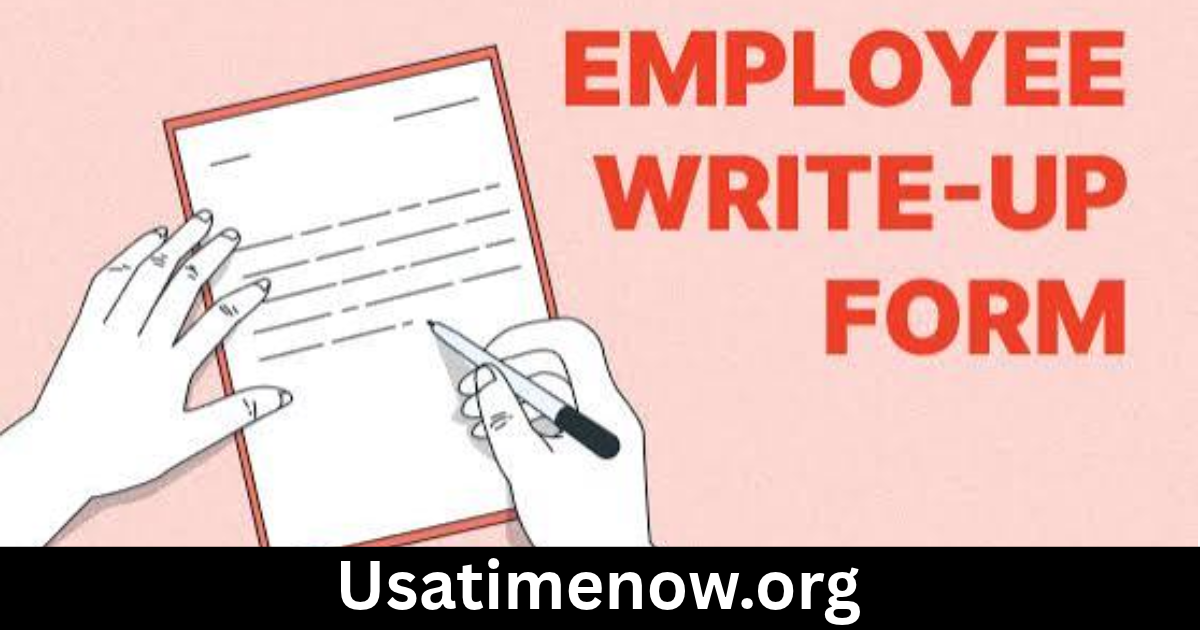
An employee write up form is an important HR document used to record workplace performance issues, policy violations, attendance problems, employee write up form or employee misconduct. It helps managers communicate concerns clearly, document discussions, and establish expectations for improvement.
Using a professional employee write up form creates a consistent approach to employee discipline and performance management. It also helps organizations maintain accurate records and ensure employees understand what needs to change.
In this guide, you will learn what an employee write up form is, what information it should include, how to complete one, and how to use a free customizable template.
What Is an Employee Write Up Form?
An employee write up form is a formal document used by employers or managers to record concerns about an employee’s workplace behavior, performance, attendance, or compliance with company policies.
It provides a written record of an issue, the discussion between the employee and manager, and any corrective action required.
Common reasons for using an employee write up form include:
- Repeated lateness or absenteeism
- Failure to follow workplace policies
- Poor job performance
- Inappropriate workplace behavior
- Safety violations
- Failure to meet deadlines
- Insubordination or misconduct
- Repeated errors or failure to follow procedures
An employee write up does not automatically mean termination. In many organizations, it is part of a progressive discipline process designed to address problems and give employees an opportunity to improve.
Why Is an Employee Write Up Form Important?
A well-designed employee write up form benefits employees, managers, and HR departments.
1. Creates Accurate Documentation
The form provides a written record of workplace incidents, performance concerns, and management discussions. This documentation can help HR review issues consistently.
2. Communicates Expectations
Employees receive clear information about what went wrong, which workplace standards apply, and what improvements are expected.
3. Supports Fair Employee Discipline
Using a consistent form helps managers follow established procedures rather than relying on informal or inconsistent disciplinary decisions.
4. Encourages Employee Improvement
A write up can identify specific areas that need attention and establish a reasonable plan for improvement.
5. Helps HR Maintain Records
HR teams can use completed forms to track recurring issues, disciplinary actions, employee responses, and follow-up meetings.
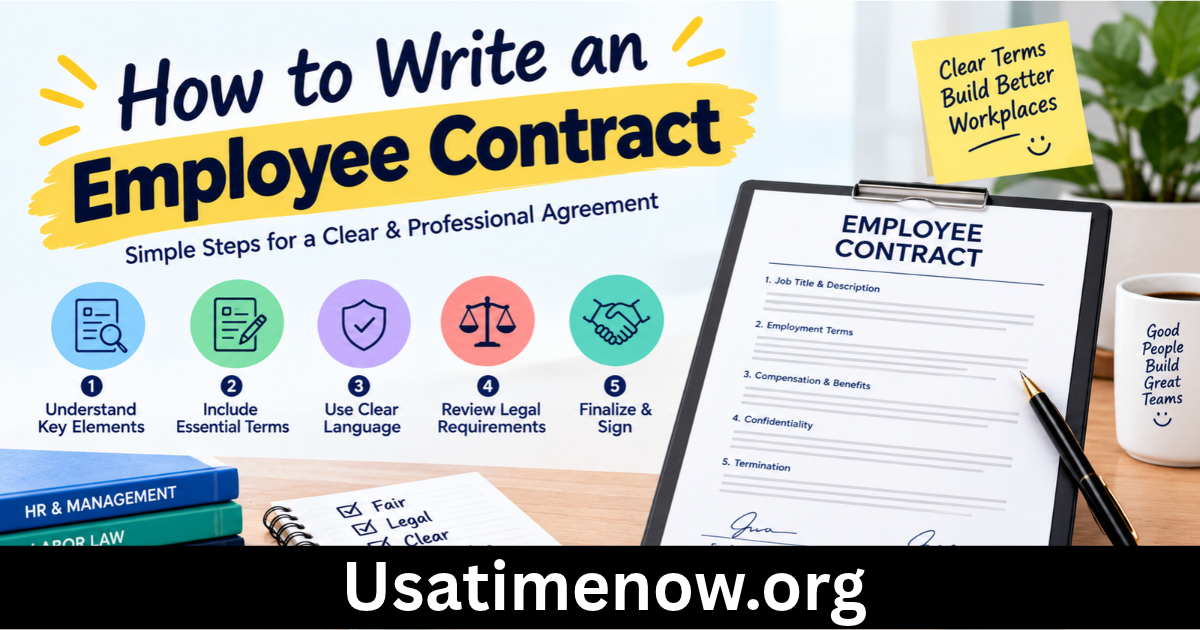
What Should an Employee Write Up Form Include?
A professional employee write up form should contain enough information to explain the issue and document the next steps.
1. Employee Information
Include the employee’s full name, job title, department, employee identification reference if appropriate, and reporting manager.
2. Incident Date and Time
Record when the incident occurred and when the write up was prepared. These dates may be different.
3. Type of Violation or Concern
Identify the reason for the write up, such as attendance, performance, misconduct, or failure to follow company policy.
4. Description of the Incident
Describe what happened using clear, objective, and factual language. Include relevant dates, actions, observations, and supporting information.
5. Previous Discussions or Warnings
If applicable, document previous coaching sessions, verbal warnings, or written warnings related to the same issue.
6. Corrective Action Required
Explain what the employee needs to do differently. Expectations should be specific, measurable, and reasonable.
7. Improvement Timeline
Include a follow-up date or review period when appropriate. This helps managers evaluate whether the required changes have occurred.
8. Employee Comments
Give employees an opportunity to provide their explanation, response, or additional information.
9. Signatures
Include signature fields for the employee, manager, and HR representative when required by company policy. Explain that an employee’s signature acknowledges receipt, not necessarily agreement.
Free Employee Write Up Form Template
The following employee write up form template can be customized for different workplace situations.
EMPLOYEE WRITE UP FORM
Company Name: __________________________
Employee Name: __________________________
Job Title: _______________________________
Department: _____________________________
Manager/Supervisor: ______________________
Date of Incident: ________________________
Time of Incident: ________________________
Date of Write Up: ________________________
1. Type of Employee Concern
Select the relevant category:
- Attendance or tardiness
- Poor job performance
- Violation of company policy
- Inappropriate workplace behavior
- Failure to follow instructions
- Safety violation
- Misconduct
- Other: __________________________
2. Description of the Incident
Provide a factual description of the issue, including relevant dates, actions, and circumstances.
3. Previous Warnings or Discussions
Has the employee previously received coaching or disciplinary action related to this issue?
- No
- Yes
If yes, provide details:
4. Corrective Action Required
Describe the specific changes or improvements expected from the employee.
5. Improvement Timeline and Follow-Up
Expected Improvement Date: __________________
Follow-Up Meeting Date: _____________________
Additional Support or Training Required: ________
6. Employee Comments
The employee may provide a response or explanation regarding the documented concern.
7. Acknowledgment and Signatures
Employee Signature: _________________________
Date: ______________________________________
Manager Signature: __________________________
Date: ______________________________________
HR Representative: __________________________
Date: ______________________________________
Note: The employee’s signature confirms receipt of the document and does not necessarily indicate agreement with its contents.
Employee Write Up Form Examples
Different workplace issues require different types of documentation. Here are three examples.
1. Employee Write Up for Attendance Issues
Issue: Repeated tardiness
Incident Description:
The employee arrived after the scheduled starting time on [Date 1], [Date 2], and [Date 3]. The scheduled start time is 9:00 a.m., while the recorded arrival times were 9:20 a.m., 9:15 a.m., and 9:25 a.m., respectively.
Corrective Action:
The employee is expected to report to work at the scheduled time and follow the organization’s attendance policy. The manager will review attendance records over the next 30 days.
2. Employee Write Up for Poor Performance
Issue: Failure to meet performance expectations
Incident Description:
The employee has not consistently completed assigned reports within the agreed deadlines. Reports due on [Dates] were submitted late, affecting the team’s ability to complete its scheduled work.
Corrective Action:
The employee must follow the agreed reporting schedule, communicate potential delays in advance, and attend additional training if needed. Progress will be reviewed during a follow-up meeting.
3. Employee Write Up for Workplace Misconduct
Issue: Violation of workplace conduct policy
Incident Description:
On [Date], the manager observed or received a report that the employee engaged in [specific factual description of the behavior]. The matter was reviewed in accordance with the organization’s procedures.
Corrective Action:
The employee is expected to follow the company’s workplace conduct policy and maintain professional communication with colleagues. Further action will depend on the findings and applicable disciplinary procedures.
How to Use an Employee Write Up Form Effectively
Completing the form correctly is just as important as having a good template.
Step 1: Investigate the Issue
Before issuing a write up, review the available information. Speak with relevant individuals, examine records, and give the employee an appropriate opportunity to respond.
Step 2: Document Facts Objectively
Avoid emotional language, assumptions, or personal opinions. Describe specific actions and provide supporting details whenever possible.
Step 3: Explain the Applicable Policy
Identify the workplace rule, performance expectation, or procedure involved. Make sure the employee understands the concern.
Step 4: Discuss Corrective Actions
Explain what needs to improve and provide reasonable guidance, resources, or training where appropriate.
Step 5: Allow Employee Feedback
Give the employee an opportunity to share their perspective. Document their response accurately.
Step 6: Schedule a Follow-Up
Set a reasonable review date to evaluate progress and determine whether additional support or action is needed.
Step 7: Maintain Confidential Records
Store completed forms securely and limit access to authorized personnel in accordance with company policies and privacy requirements.
Types of Employee Write Ups
Organizations may use different disciplinary documents depending on the seriousness and frequency of an issue.
- Verbal warning documentation: Records a coaching conversation or verbal warning.
- First written warning: Formally documents an issue and explains expected improvements.
- Final written warning: Communicates that further violations may lead to additional disciplinary action.
- Performance improvement documentation: Records performance gaps, goals, support, and review dates.
- Incident report: Documents a specific workplace event for further review.
The appropriate approach depends on company policy, the facts of the situation, and applicable employment laws. Serious misconduct may require a different process from routine performance concerns.
Common Employee Write Up Mistakes to Avoid
Managers should avoid these mistakes when completing disciplinary documentation:
- Using vague descriptions: Include specific facts, dates, and examples.
- Making personal judgments: Focus on workplace behavior rather than personality.
- Ignoring employee feedback: Give the employee a fair opportunity to respond.
- Applying rules inconsistently: Follow the same procedures for comparable situations.
- Failing to explain expectations: Clearly describe the required improvement.
- Skipping follow-up meetings: Review progress after issuing the write up.
- Sharing confidential information: Keep disciplinary records private and secure.
Frequently Asked Questions (FAQs)
1. What is an employee write up form used for?
An employee write up form documents workplace concerns such as poor performance, repeated lateness, misconduct, or policy violations. It also records corrective actions and expected improvements.
2. Does an employee write up mean termination?
No. A write up is generally a disciplinary or performance management document. It may be part of a progressive discipline process and does not automatically result in termination.
3. Can an employee refuse to sign a write up?
An employee may decline to sign a write up. The manager can document that the form was presented and that the employee declined to acknowledge receipt, following company procedures.
4. How many write ups can an employee receive before termination?
There is no universal number. The process depends on company policy, employment agreements, the seriousness of the issue, and applicable employment laws.
5. Should an employee be allowed to respond to a write up?
Yes. Giving employees an opportunity to provide comments or an explanation supports fair documentation and allows managers to consider relevant information.
6. Who should complete an employee write up form?
A direct manager or supervisor usually prepares the form, while HR may review it to ensure consistency with company policy and applicable requirements.
7. How long should employee write up forms be kept?
Retention periods depend on applicable laws, company policies, and the type of documentation. Organizations should follow their approved records-retention and privacy procedures.
Conclusion
An employee write up form is a valuable tool for documenting workplace concerns, communicating expectations, and supporting consistent employee management. employee write up form By recording specific facts, allowing employee feedback, and outlining reasonable corrective actions, managers can address problems professionally and fairly. A standardized employee write up template also helps HR departments maintain organized records and follow consistent disciplinary procedures. When used appropriately, it can support employee improvement, strengthen workplace accountability, and contribute to a more productive work environment.