



Table of Contents
The recruitment process is an essential part of building a skilled and productive workforce. Every organization needs qualified employees who have the knowledge, experience, and abilities required to achieve business goals. recruitment process A structured recruitment process helps employers attract suitable candidates, evaluate their qualifications, and select the right people for available positions.
Effective recruitment involves more than publishing a job advertisement and conducting interviews. It requires workforce planning, candidate sourcing, screening, selection, and communication throughout the hiring journey. This guide explains the recruitment process, its main stages, common challenges, and best practices for successful hiring.
What Is the Recruitment Process?
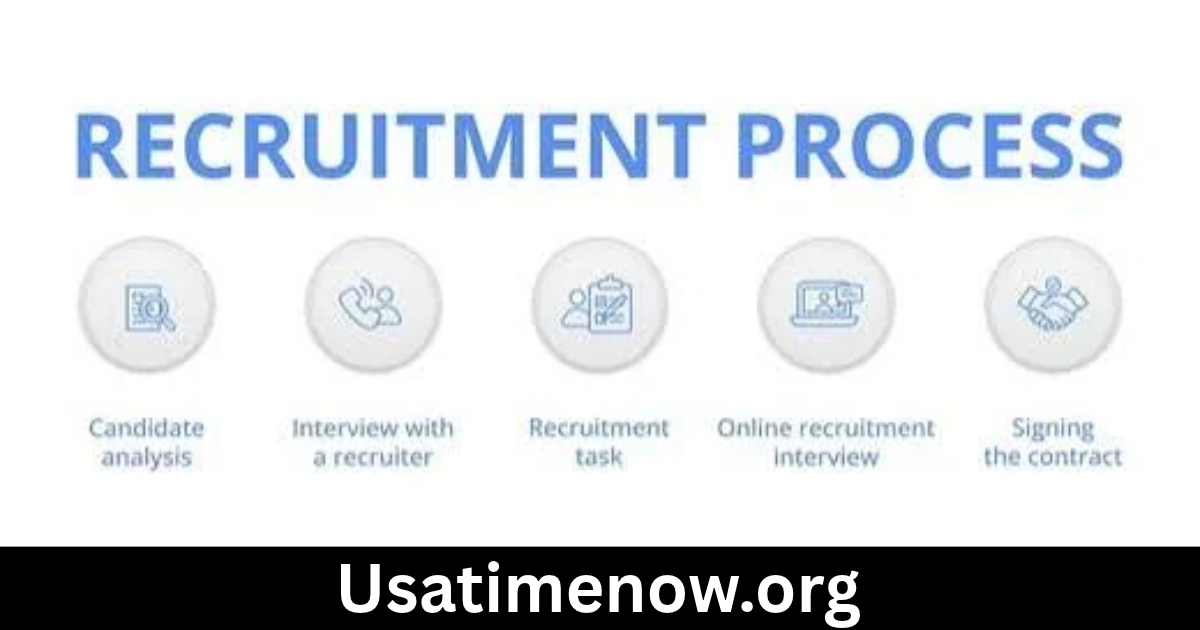
The recruitment process is a series of activities organizations follow to identify, attract, evaluate, and hire candidates for job vacancies.
It begins when a business identifies a staffing requirement and continues until a suitable candidate accepts a job offer. The process may involve HR professionals, hiring managers, department leaders, and recruitment agencies.
The main objective is to find candidates whose skills, qualifications, experience, and professional expectations match the requirements of the position.
For example, when a company needs a marketing manager, its HR team may prepare a job description, advertise the vacancy, review applications, conduct interviews, verify references where appropriate, and select the most suitable applicant.
Why Is the Recruitment Process Important?
A well-organized recruitment process helps businesses make better hiring decisions and build stronger teams.
Some important benefits include:
- Better hiring quality: Structured assessments help identify candidates with suitable qualifications and skills.
- Improved productivity: Hiring employees who match job requirements can support effective workplace performance.
- Reduced recruitment costs: Organized hiring activities can reduce unnecessary delays and repeated recruitment efforts.
- Stronger employer reputation: A professional candidate experience creates a positive impression of the organization.
- Lower employee turnover: Realistic job expectations and careful selection can improve the likelihood of a successful long-term employment relationship.
- Fairer hiring decisions: Consistent evaluation criteria help reduce personal bias.
- Better workforce planning: Recruitment helps organizations fill skill gaps and prepare for future business needs.
Main Stages of the Recruitment Process
Although recruitment methods vary between organizations, most hiring processes follow several common stages.
1. Identify the Hiring Need
The first step is determining why a new employee is needed. A vacancy may result from business expansion, employee resignation, retirement, promotion, or the creation of a new position.
HR teams should discuss staffing requirements with department managers and confirm that the role is necessary and properly funded.
2. Prepare a Job Description
A clear job description explains the position’s responsibilities, qualifications, skills, experience requirements, and reporting relationships.
It should also include relevant information about working arrangements and the role’s main objectives.
A well-written job description helps attract candidates who understand what the position involves.
3. Choose Recruitment Sources
Organizations can use internal and external recruitment methods to find suitable applicants.
Internal recruitment involves filling vacancies through existing employees, such as promotions, transfers, and internal job postings.
External recruitment involves attracting candidates from outside the organization through job boards, company career pages, recruitment agencies, professional networks, employee referrals, and social media.
The best source depends on the position, required skills, budget, and available talent.
4. Advertise the Job Vacancy
Once the job requirements and recruitment sources are established, the organization publishes the vacancy.
A recruitment advertisement should clearly communicate:
- Job title and department
- Main responsibilities
- Required qualifications and experience
- Essential skills
- Work location and arrangements
- Application instructions and deadline
Clear advertisements help candidates decide whether the position matches their experience and career goals.
5. Receive and Screen Applications
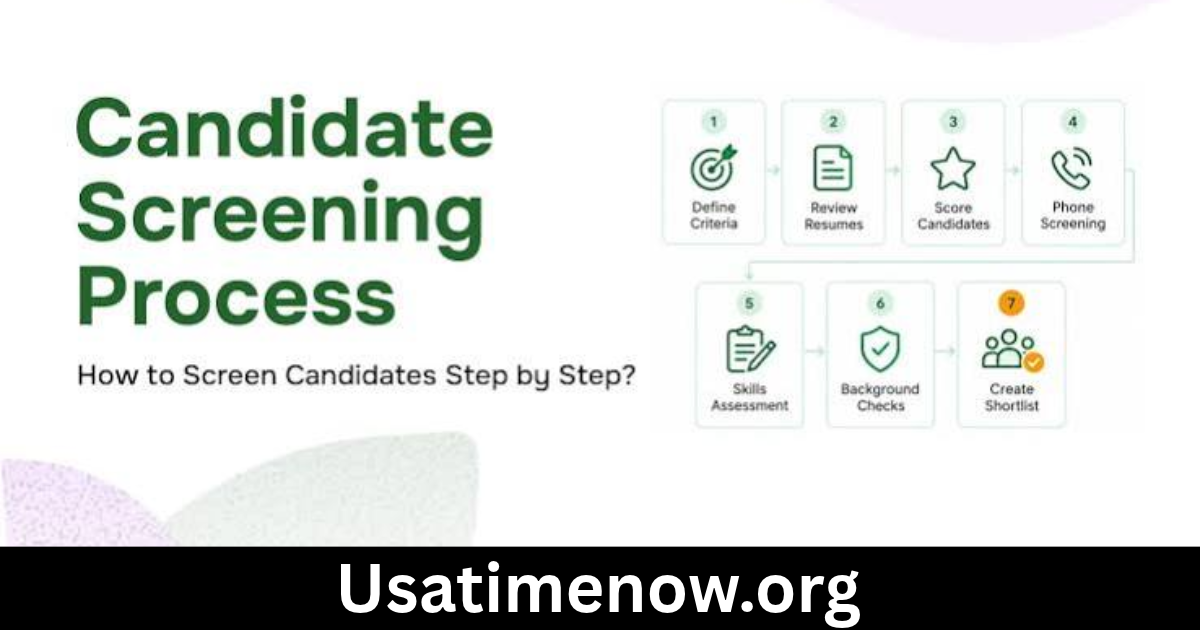
HR professionals review submitted applications, resumes, and cover letters to identify candidates who meet the essential job requirements.
Screening may involve checking qualifications, relevant experience, technical skills, and other job-related criteria.
Organizations should use consistent screening standards to ensure applicants are evaluated fairly.
6. Conduct Interviews
Interviews allow employers to learn more about candidates’ experience, communication skills, professional judgment, and suitability for the position.
Common interview formats include:
- Structured interviews: Every candidate receives the same core questions.
- Unstructured interviews: Conversations are more flexible and open-ended.
- Behavioral interviews: Candidates explain how they handled situations in previous roles.
- Technical interviews: Applicants demonstrate job-specific knowledge or abilities.
- Panel interviews: Several interviewers assess the candidate together.
Using consistent, job-related questions makes it easier to compare candidates objectively.
7. Conduct Skills Assessments
Some positions require additional evaluations to confirm a candidate’s abilities.
Examples include writing exercises, practical demonstrations, technical tests, presentations, problem-solving activities, and work samples.
Assessments should reflect genuine job requirements and be applied consistently to relevant candidates.
8. Verify References and Relevant Information
Before making a final decision, employers may verify employment history, qualifications, professional references, or other relevant information.
These checks should be conducted with appropriate consent and in accordance with applicable laws and organizational policies.
9. Make the Job Offer
After selecting the preferred candidate, the employer prepares a formal job offer.
The offer typically explains the job title, compensation, benefits, working arrangements, reporting manager, proposed start date, and other relevant employment terms.
Candidates should have an opportunity to review the offer and ask questions before accepting.
10. Complete Onboarding
Recruitment leads into onboarding once the candidate accepts the offer and joins the organization.
The onboarding process introduces the new employee to company policies, colleagues, workplace systems, and job responsibilities. Proper onboarding helps new hires become confident and productive.
Internal vs. External Recruitment
Organizations can choose between internal and external recruitment depending on their staffing requirements.
| Feature | Internal Recruitment | External Recruitment |
|---|---|---|
| Candidate source | Existing employees | Outside applicants |
| Hiring time | Often shorter | May take longer |
| Recruitment cost | Can be lower | May involve additional advertising and sourcing costs |
| Employee development | Supports career progression | Introduces new experience and skills |
| Talent pool | Limited to current workforce | Wider candidate market |
| Common methods | Promotions and transfers | Job boards and recruitment agencies |
Many organizations combine both approaches to balance employee development with access to new talent.
Best Practices for an Effective Recruitment Process
Businesses can improve hiring quality by following consistent recruitment practices.
Create Clear Hiring Criteria
Define the essential qualifications, experience, and skills before advertising a vacancy. Distinguish between requirements that are genuinely necessary and those that are simply preferred.
Use Structured Interviews
Prepare job-related questions and evaluation criteria in advance. Structured interviews help recruiters compare candidates more consistently.
Communicate With Candidates
Keep applicants informed about application progress, interview arrangements, and expected timelines. Professional communication improves the candidate experience.
Reduce Unconscious Bias
Use standardized assessments, diverse interview panels where practical, and evidence-based selection criteria. Focus on relevant abilities rather than personal assumptions.
Use Recruitment Technology
Applicant tracking systems (ATS) can help manage applications, organize candidate information, schedule interviews, and track hiring progress.
Review the Hiring Process
Collect feedback from candidates, recruiters, and hiring managers. Regular reviews can reveal delays, unnecessary steps, or weaknesses in candidate evaluation.
Common Recruitment Challenges
Recruitment can become difficult when organizations face changing business needs or limited access to qualified candidates.
Common challenges include:
- Talent shortages: Some positions require specialized skills that are difficult to find.
- High competition: Employers may compete with other organizations for experienced candidates.
- Long hiring timelines: Delays in screening, interviews, or approvals can cause candidates to lose interest.
- Poor job descriptions: Unclear advertisements may attract unsuitable applicants.
- Candidate dropouts: Applicants may withdraw because of delays or unattractive employment terms.
- Unconscious bias: Personal assumptions can affect candidate evaluation.
- Limited recruitment budgets: Financial restrictions may reduce access to advertising and sourcing options.
Organizations can address these challenges through better workforce planning, clear hiring requirements, timely communication, and consistent selection methods.
Recruitment Metrics: How to Measure Hiring Success
Recruitment metrics help HR teams evaluate the effectiveness and efficiency of their hiring activities.
Important recruitment KPIs include:
- Time to hire: Measures the time between a candidate entering the hiring process and accepting an offer.
- Time to fill: Measures the time taken to fill a job vacancy, usually from approval or opening of the requisition to acceptance.
- Cost per hire: Calculates the average recruitment expenses associated with hiring an employee.
- Offer acceptance rate: Measures the percentage of job offers accepted by candidates.
- Quality of hire: Evaluates how effectively new employees perform and contribute to the organization.
- Source of hire: Identifies which recruitment channels produce successful candidates.
- New hire retention: Measures how many recently hired employees remain with the organization over a defined period.
Tracking these metrics helps businesses identify areas for improvement and make more informed recruitment decisions.
Frequently Asked Questions (FAQs)
1. What are the seven steps of the recruitment process?
A simplified seven-step process includes identifying a vacancy, preparing a job description, sourcing candidates, screening applications, conducting interviews and assessments, selecting a candidate, and making a job offer.
2. What is the difference between recruitment and selection?
Recruitment focuses on attracting and encouraging candidates to apply for a vacancy. Selection involves evaluating applicants and choosing the most suitable person for the position.
3. Who is responsible for the recruitment process?
HR professionals usually coordinate recruitment, while hiring managers and department leaders help define job requirements, assess candidates, and make final hiring decisions.
4. What are the main methods of recruitment?
Common methods include internal promotions, employee referrals, job advertisements, online job boards, recruitment agencies, professional networking, and company career websites.
5. How long does the recruitment process take?
The timeline depends on the position, industry, candidate availability, and number of selection stages. Some vacancies can be filled within days, while specialized or senior roles may take several weeks or longer.
6. Why is a structured recruitment process important?
A structured process improves consistency, supports fair candidate evaluation, reduces unnecessary delays, and helps organizations make better hiring decisions.
7. What is an applicant tracking system?
An applicant tracking system is software that helps employers organize job applications, manage candidate information, track recruitment stages, and coordinate hiring activities.
Conclusion
The recruitment process plays a vital role in building a skilled and reliable workforce. By identifying staffing needs, creating clear job descriptions, attracting qualified candidates, conducting structured assessments, recruitment process and selecting suitable employees, organizations can improve hiring quality and support business growth. An effective recruitment strategy should be fair, organized, and aligned with company objectives. Regularly reviewing recruitment practices and measuring hiring performance helps businesses attract better talent, improve candidate experiences, and build stronger teams.