





Table of Contents
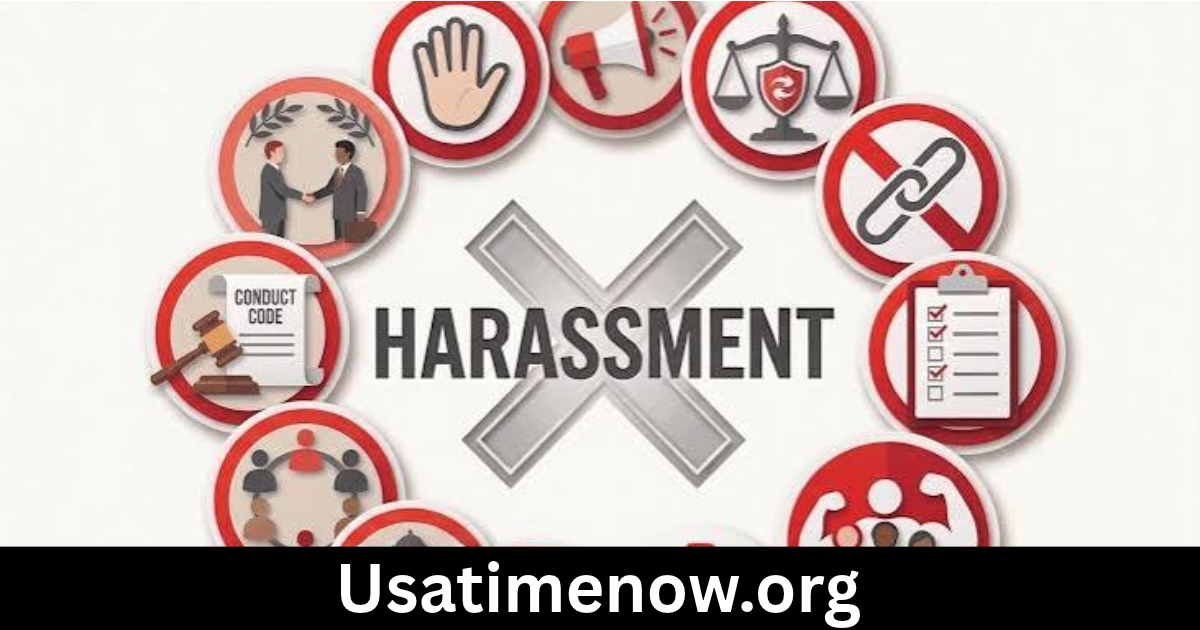
A workplace harassment policy is an essential part of creating a safe, respectful, and professional working environment. workplace harassment policy It explains what constitutes harassment, identifies unacceptable behavior, and establishes procedures for reporting and addressing complaints.
Every organization should have clear guidelines that protect employees from inappropriate conduct, discrimination, intimidation, and unwanted behavior. A well-written workplace harassment policy also helps employers communicate their responsibilities, handle complaints fairly, and promote a culture of respect.
In this guide, you’ll learn what a workplace harassment policy includes, why it matters, and how to create a practical policy template for your organization.
What Is a Workplace Harassment Policy?
A workplace harassment policy is a formal document that defines prohibited harassment and explains how an organization prevents, reports, investigates, and responds to workplace misconduct.
It applies to employees, managers, supervisors, and, where appropriate, contractors, customers, vendors, and other people interacting with the organization.
A comprehensive policy typically covers verbal harassment, physical misconduct, bullying, sexual harassment, discrimination-related harassment, online harassment, and retaliation against individuals who report concerns.
The policy should clearly explain that employees have the right to raise concerns without fear of punishment or unfair treatment.
Why Is a Workplace Harassment Policy Important?
A clear workplace harassment policy benefits employees and employers in several ways.
1. Creates a Respectful Work Environment
Employees perform better when they feel safe and respected. Clear behavioral standards help establish expectations for professional communication and workplace relationships.
2. Protects Employee Rights
A harassment policy explains how employees can report inappropriate behavior and access organizational support. It also helps communicate protections available under applicable employment laws.
3. Reduces Workplace Conflicts
Defining unacceptable conduct helps employees and managers recognize inappropriate behavior before it becomes a larger problem.
4. Supports Legal Compliance
Many jurisdictions have laws addressing workplace harassment, discrimination, and sexual harassment. A suitable policy helps organizations communicate their obligations and establish procedures for responding to complaints.
5. Strengthens Employee Trust
Employees are more likely to raise concerns when they understand that complaints will be taken seriously and handled through a fair process.
Types of Workplace Harassment
Workplace harassment can take different forms. Organizations should explain common examples so employees understand what behavior is unacceptable.
1. Verbal Harassment
Verbal harassment involves inappropriate spoken or written comments directed toward another person.
Examples include:
- Insults and repeated offensive remarks
- Threatening language
- Humiliating comments
- Repeated unwanted personal remarks
- Offensive jokes targeting protected characteristics
2. Sexual Harassment
Sexual harassment involves unwelcome conduct of a sexual nature. Depending on applicable law and circumstances, it may include:
- Unwanted sexual comments or advances
- Inappropriate touching
- Sexual messages or images
- Requests for sexual favors
- Threats or promises linked to sexual conduct
Organizations should explain how employees can report sexual harassment and obtain support.
3. Physical Harassment
Physical harassment may involve unwanted physical contact, intimidation, aggressive gestures, or threatening behavior.
Examples include pushing, blocking someone’s movement, or deliberately invading personal space in an intimidating manner.
4. Psychological Harassment and Workplace Bullying
Workplace bullying may involve repeated behavior intended to intimidate, humiliate, isolate, or undermine another employee.
Examples include persistent public humiliation, deliberate exclusion, personal attacks, and repeated unreasonable treatment.
Not every workplace disagreement or reasonable management decision constitutes harassment. Context, frequency, severity, and applicable legal definitions matter.
5. Online and Digital Harassment
Harassment can also happen through digital communication channels.
Examples include offensive emails, threatening messages, inappropriate group-chat comments, cyberbullying, and sharing humiliating images without permission.
Organizations should apply their workplace conduct standards to relevant digital platforms, including remote work environments.
Workplace Harassment Policy Template
The following sample policy can be customized to suit an organization’s needs.
[Company Name] Workplace Harassment Policy
Effective Date: [Insert Date]
Policy Owner: [HR Department or Responsible Officer]
1. Policy Statement
[Company Name] is committed to maintaining a workplace where every individual is treated with dignity and respect.
Harassment, discrimination, intimidation, and retaliation are not acceptable. All employees, managers, supervisors, and other individuals covered by this policy are expected to maintain professional conduct.
2. Purpose
The purpose of this policy is to:
- Prevent workplace harassment.
- Explain unacceptable behavior.
- Provide clear reporting procedures.
- Establish fair complaint investigation processes.
- Protect individuals from retaliation.
- Promote a respectful and inclusive workplace.
3. Scope
This policy applies to all employees, including permanent, temporary, part-time, and contract workers, as well as managers and supervisors.
Where relevant, it also applies to workplace-related events, business travel, work communications, remote working arrangements, and interactions with customers or business partners.
4. Prohibited Conduct
Employees must not engage in harassment, sexual harassment, bullying, intimidation, or other prohibited discriminatory behavior.
Examples include offensive comments, unwanted physical contact, threatening messages, repeated humiliation, and inappropriate conduct based on protected characteristics under applicable law.
5. Reporting Procedure
Employees who experience or witness possible harassment should report the concern through one of the following channels:
- Human Resources Department
- Immediate supervisor or manager
- Designated harassment complaint officer
- Alternative reporting contact, if the supervisor is involved
Reports may be submitted verbally or in writing, according to company procedures.
Employees should provide relevant details, including dates, locations, people involved, and available supporting information.
6. Complaint Investigation
The organization will review complaints promptly and fairly.
Depending on the circumstances, the process may include:
- Receiving and documenting the complaint.
- Assessing immediate safety or support needs.
- Appointing an impartial investigator.
- Speaking with the complainant and respondent.
- Interviewing relevant witnesses.
- Reviewing relevant documents or other evidence.
- Reaching findings based on the available information.
- Taking appropriate action and communicating relevant outcomes.
The organization will aim to protect privacy while recognizing that information may need to be shared with people involved in a fair investigation.
7. Protection Against Retaliation
Retaliation against anyone who raises a concern, participates in an investigation, or supports another employee is prohibited.
Retaliation may include threats, intimidation, unfair treatment, or adverse employment actions connected to reporting or participating in a complaint process.
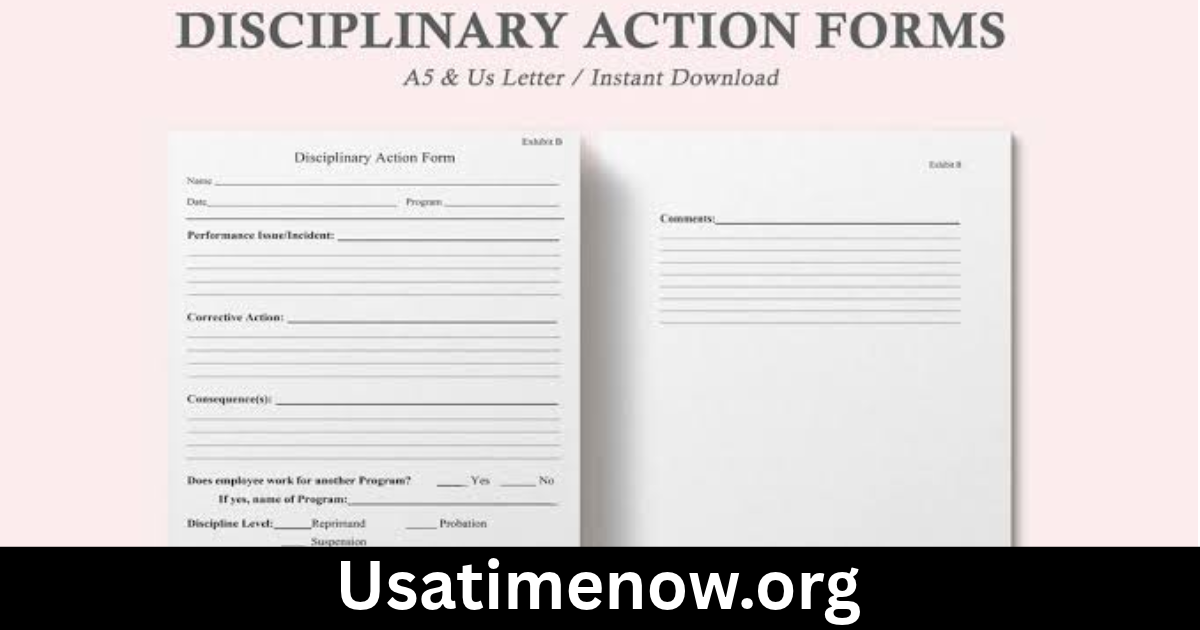
8. Disciplinary Action
If an investigation establishes that harassment or retaliation occurred, the organization may take appropriate corrective or disciplinary action.
Depending on the seriousness of the conduct, consequences may include counseling, formal warnings, mandatory training, changes to work arrangements, suspension, or termination, subject to applicable law and company procedures.
9. Confidentiality
The organization will handle complaints and investigation records sensitively. Information will be shared only with individuals who need it to assess, investigate, resolve, or legally address the matter.
10. Employee Responsibilities
All employees are expected to:
- Treat colleagues with respect.
- Follow workplace conduct policies.
- Avoid harassment and discriminatory behavior.
- Report concerns through appropriate channels.
- Cooperate honestly with investigations.
- Avoid retaliation against complainants or witnesses.
11. Policy Review
HR will review this policy periodically and update it when organizational practices or applicable legal requirements change.
Approved By: ______________________
Date: _____________________________
This is a general sample, not a substitute for jurisdiction-specific legal review. Employers should adapt it to applicable laws and required complaint procedures.
How to Handle a Workplace Harassment Complaint
Employers should respond to complaints carefully, consistently, and without unnecessary delays.
Step 1: Listen and Document
Take the employee’s concern seriously. Allow them to explain what happened without interruption or judgment, and document the information accurately.
Step 2: Assess Immediate Safety
Determine whether temporary protective measures or additional support are needed. Any interim arrangements should avoid unnecessarily disadvantaging the person who reported the concern.
Step 3: Conduct an Impartial Investigation
Use a qualified and impartial person to gather information. Give relevant individuals an appropriate opportunity to provide their accounts.
Step 4: Review the Evidence
Consider witness statements, messages, emails, documents, and other relevant information. Decisions should be based on the evidence and the organization’s applicable procedures.
Step 5: Take Appropriate Action
If misconduct is established, implement proportionate corrective measures. If the complaint is not substantiated, consider whether other workplace concerns or support needs still require attention.
Step 6: Follow Up
Check whether the situation has been resolved and whether any further support or action is necessary.
Best Practices for Preventing Workplace Harassment
Organizations should not rely on a written policy alone. Prevention requires regular communication, training, and management accountability.
- Provide employee training: Explain harassment, professional conduct, and reporting procedures.
- Train managers: Teach supervisors how to recognize concerns and respond appropriately.
- Offer multiple reporting channels: Give employees alternatives when their direct manager is involved.
- Communicate policies regularly: Make the policy easy to access and understand.
- Encourage respectful communication: Promote professional behavior across teams and departments.
- Monitor workplace culture: Use appropriate feedback channels to identify recurring concerns.
- Review complaints and outcomes: Look for patterns that may indicate wider workplace problems.
- Protect against retaliation: Make it clear that raising concerns in good faith will not be punished.
Common Mistakes Employers Should Avoid
Some mistakes can weaken a workplace harassment policy and reduce employee confidence.
- Ignoring complaints or delaying responses without a valid reason.
- Promising absolute confidentiality when information may need to be shared.
- Allowing managers to investigate complaints involving themselves.
- Failing to document important investigation steps.
- Treating every complaint as a minor interpersonal disagreement.
- Punishing employees for raising concerns in good faith.
- Applying policies inconsistently across departments.
- Failing to provide appropriate training.
A fair and transparent process helps organizations address concerns while protecting the rights of everyone involved.
FAQs About Workplace Harassment Policies
1. What is the main purpose of a workplace harassment policy?
Its main purpose is to prevent inappropriate conduct, explain employee protections, establish reporting procedures, and provide a fair process for addressing complaints.
2. What should a workplace harassment policy include?
It should include a policy statement, scope, examples of prohibited conduct, reporting channels, investigation procedures, confidentiality guidelines, anti-retaliation protections, and possible disciplinary actions.
3. Is a workplace harassment policy legally required?
Legal requirements vary by country and jurisdiction. Some locations require specific workplace harassment policies, prevention measures, or complaint procedures. Employers should check the laws that apply to their operations.
4. Can employees report harassment involving their manager?
Yes. Organizations should provide alternative reporting channels, such as HR, a designated complaint officer, or another appropriate senior representative.
5. What happens after a workplace harassment complaint?
The organization generally documents the concern, assesses immediate risks, conducts an impartial investigation, reviews available evidence, and determines appropriate next steps.
6. Does a workplace harassment policy apply to remote employees?
Yes. A well-designed policy should address work-related conduct through emails, messaging platforms, video meetings, remote collaboration tools, and other relevant communication channels.
7. How often should a workplace harassment policy be updated?
Employers should review it regularly and whenever relevant laws, reporting procedures, organizational structures, or workplace practices change.
Conclusion
A workplace harassment policy is essential for establishing professional standards, protecting employees, and creating a respectful organizational culture. workplace harassment policy By clearly defining unacceptable behavior, providing accessible reporting channels, and establishing fair investigation procedures, employers can respond to workplace concerns more effectively. However, an effective policy requires more than a written document. Regular training, consistent management practices, employee support, and protection against retaliation are equally important. Organizations that take these responsibilities seriously can build safer workplaces where employees feel respected, supported, and confident about reporting concerns.