



Table of Contents
Employee retention is one of the most important priorities for successful organizations. Hiring talented employees takes time, money, employee retention strategies and effort, so businesses need effective strategies to keep skilled workers satisfied, motivated, and committed to their roles. A strong employee retention strategy can reduce turnover, improve productivity, strengthen workplace culture, and support long-term business growth.
Whether you manage a small business or a large organization, understanding what motivates employees to stay is essential. This guide explores practical employee retention strategies, explains why retention matters, and provides actionable ideas HR professionals and managers can use to build a loyal workforce.
What Is Employee Retention?
Employee retention refers to an organization’s ability to keep employees working for the company over a specific period. It involves creating a positive work environment where employees feel valued, supported, fairly compensated, and able to grow professionally.
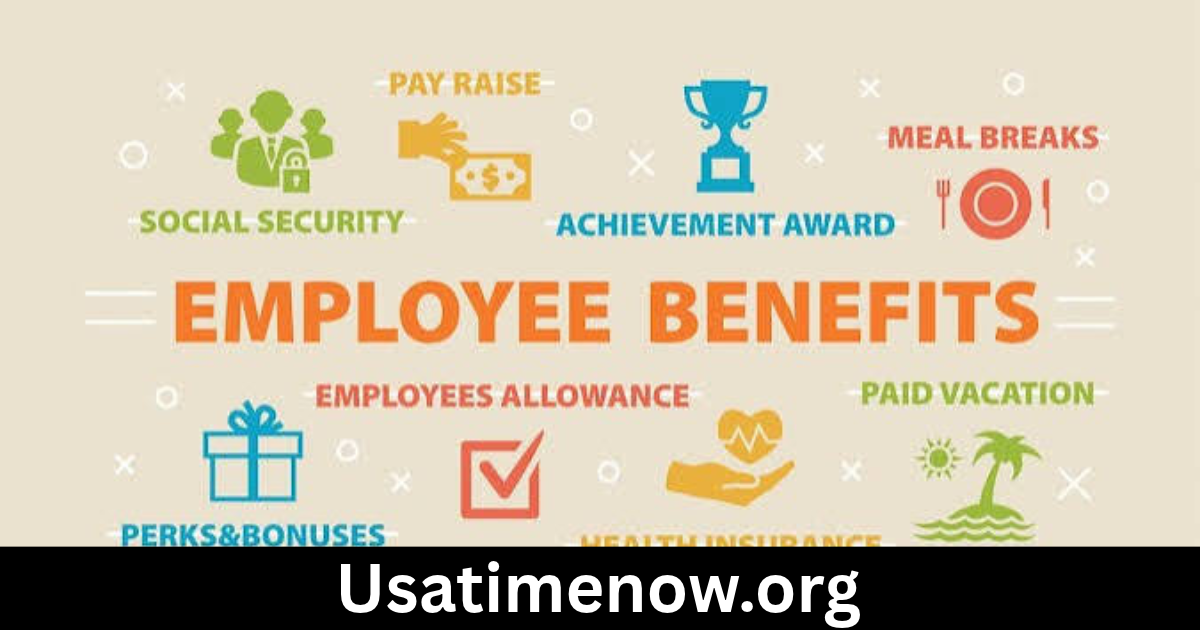
Employee retention is influenced by several factors, including:
- Competitive salaries and employee benefits
- Career development opportunities
- Supportive leadership and management
- Work-life balance
- Recognition and appreciation
- Workplace culture
- Job security and professional growth
A successful retention strategy addresses these factors rather than relying on salary increases alone.
Why Is Employee Retention Important?
Keeping experienced employees benefits both organizations and their workforce.
1. Reduces Recruitment and Training Costs
Replacing an employee often involves advertising vacancies, interviewing candidates, onboarding new hires, and providing training. Better retention can reduce these expenses and save valuable management time.
2. Improves Productivity
Experienced employees understand company processes, customer expectations, and team responsibilities. Retaining them helps organizations maintain consistent performance and avoid disruptions caused by frequent staff changes.
3. Strengthens Company Culture
Long-term employees often contribute to stronger professional relationships and a shared understanding of organizational values. Their experience can also help new employees adjust more quickly.
4. Protects Organizational Knowledge
Employees develop valuable knowledge about products, services, customers, and internal procedures. Retaining experienced workers helps businesses preserve this knowledge.
5. Improves Customer Relationships
Employees who work with customers over an extended period can develop trust and understand customer needs more effectively. Lower turnover can help maintain service consistency.
15 Effective Employee Retention Strategies
Organizations can improve employee retention by understanding workforce needs and creating policies that support long-term job satisfaction.
1. Offer Competitive Compensation and Benefits
Fair compensation is a major factor in employee satisfaction. Businesses should regularly review salaries to ensure they remain competitive within their industry and location.
Consider offering:
- Competitive base salaries
- Performance-based bonuses
- Health and insurance benefits
- Retirement or savings plans where applicable
- Paid leave and holidays
- Additional financial incentives
Employees are more likely to feel valued when compensation reflects their responsibilities, experience, and contributions.
2. Create Opportunities for Career Growth
Employees may leave when they feel their careers have reached a standstill. Providing opportunities for professional development can encourage talented workers to remain with the organization.
Useful initiatives include training programs, mentorship, leadership development, job rotations, and internal promotions.
Managers should regularly discuss employees’ career goals and help them identify realistic development opportunities.
3. Recognize and Reward Employee Contributions
Recognition helps employees understand that their efforts matter. Acknowledging achievements can improve morale and encourage continued performance.
Examples include:
- Employee of the month programs
- Public recognition during team meetings
- Personalized appreciation messages
- Performance bonuses
- Celebrating work anniversaries
- Peer-to-peer recognition programs
Recognition should be genuine, consistent, and based on meaningful contributions.
4. Promote Work-Life Balance
Excessive workloads and limited flexibility can contribute to employee stress and dissatisfaction. Organizations should create working arrangements that allow employees to manage professional and personal responsibilities.
Consider flexible schedules, remote work options where practical, reasonable workloads, and clear expectations about after-hours communication.
Encouraging employees to take their approved leave also supports a healthier workplace.
5. Build a Positive Workplace Culture
A healthy company culture encourages respect, collaboration, fairness, and open communication.
Organizations should promote inclusive behavior, address workplace conflicts promptly, and establish clear policies against discrimination and harassment.
Employees are more likely to stay when they feel respected and comfortable contributing their ideas.
6. Improve Leadership and Management Practices
Managers have a significant influence on employee experiences. Poor communication, inconsistent expectations, and lack of support can contribute to turnover.
Train managers to provide constructive feedback, recognize achievements, resolve conflicts, and communicate expectations clearly.
Strong leadership helps employees feel supported and understand how their work contributes to organizational success.
7. Provide Regular Employee Feedback
Employees need opportunities to discuss their experiences, challenges, and career goals.
Conduct regular one-on-one meetings, employee engagement surveys, and performance discussions. Ask meaningful questions about workload, management support, professional development, and workplace satisfaction.
Most importantly, take action on feedback rather than collecting information without responding.
8. Support Employee Health and Well-Being
Employee well-being can influence motivation, attendance, and job satisfaction.
Organizations can support employees through wellness resources, reasonable workloads, mental health support, health education, and access to appropriate benefits.
Managers should also recognize signs of excessive workplace stress and discuss practical solutions with employees.
9. Strengthen the Employee Onboarding Process
Employee retention begins before a new hire becomes fully established in the organization.
A structured onboarding process helps employees understand their responsibilities, workplace policies, team structure, and performance expectations.
Assigning a mentor or onboarding partner can also help new employees build relationships and feel supported during their first few months.
10. Offer Flexible Work Arrangements
Flexible working arrangements can help employees manage their responsibilities more effectively.
Depending on business requirements, options may include:
- Remote work
- Hybrid schedules
- Flexible starting and finishing times
- Compressed workweeks
- Part-time arrangements
Clear communication and consistent policies are important when implementing flexible work options.
11. Encourage Employee Engagement
Engaged employees often have stronger connections with their teams and organizational goals.
Companies can organize team-building activities, knowledge-sharing sessions, social events, collaborative projects, and recognition initiatives.
Engagement activities should be inclusive and relevant to employees’ interests rather than becoming another compulsory responsibility.
12. Create Clear Performance Expectations
Employees should understand what their roles require and how their performance will be evaluated.
Establish measurable objectives, provide regular feedback, and explain how employees can progress within their positions.
Clear expectations reduce confusion and help employees feel more confident about their responsibilities.
13. Promote Internal Career Opportunities
Whenever possible, consider qualified internal candidates before recruiting externally.
Internal promotions and transfers give employees opportunities to explore new responsibilities without leaving the organization.
An internal mobility program can help businesses retain institutional knowledge while supporting employee development.
14. Conduct Stay Interviews
Stay interviews are conversations between managers and employees designed to understand why they continue working for the organization and what might encourage them to leave.
Useful questions include:
- What do you enjoy most about your job?
- What makes you feel appreciated at work?
- Are there any challenges affecting your job satisfaction?
- What career opportunities would you like to explore?
- What changes would improve your workplace experience?
These conversations can help managers identify retention concerns before employees decide to resign.
15. Develop a Fair and Transparent Workplace
Employees want to understand how decisions are made and what opportunities are available to them.
Organizations should communicate policies clearly, apply rules consistently, and provide fair access to promotions, training, and recognition.
Transparency helps build trust and reduces frustration caused by uncertainty or favoritism.
How to Measure Employee Retention
Organizations need reliable information to determine whether their employee retention strategies are working.
Employee Retention Rate Formula
A common retention rate formula is:
Employee Retention Rate = (Employees Remaining at the End of the Period ÷ Employees at the Beginning of the Period) × 100
For example, if a company begins the year with 100 employees and 90 of those original employees remain at the end of the year, its retention rate is 90%.
New hires during the period are not included in the original employee group for this calculation.
Other Important Employee Retention Metrics
Businesses can also monitor:
- Employee turnover rate: The percentage of employees who leave during a period.
- Voluntary turnover: Employees who choose to resign.
- Involuntary turnover: Employees whose employment ends through employer-initiated decisions.
- New-hire retention: The percentage of recently hired employees who remain after a defined period.
- Employee engagement scores: Feedback about motivation, satisfaction, and workplace connection.
- Exit interview feedback: Information about why employees decide to leave.
Reviewing several metrics together provides a more complete understanding of workforce trends.
Common Employee Retention Mistakes to Avoid
Even well-intentioned organizations can struggle with employee retention when they overlook important workplace issues.
Avoid these common mistakes:
- Ignoring employee feedback and concerns.
- Offering limited career development opportunities.
- Failing to recognize employee achievements.
- Allowing excessive workloads to become normal.
- Applying workplace policies inconsistently.
- Promoting employees without preparing them for leadership responsibilities.
- Waiting until employees resign before discussing job satisfaction.
Effective retention requires continuous attention rather than occasional initiatives.
7 Frequently Asked Questions About Employee Retention Strategies
1. What Are the Most Effective Employee Retention Strategies?
Competitive compensation, career development, employee recognition, supportive management, flexible work arrangements, and a positive workplace culture are among the most effective retention strategies.
2. Why Do Employees Leave Their Jobs?
Employees may leave because of low compensation, limited career opportunities, poor management, excessive workloads, lack of recognition, or better opportunities elsewhere.
3. How Can Small Businesses Improve Employee Retention?
Small businesses can improve retention through open communication, flexible schedules, personal recognition, mentorship, fair compensation, and opportunities for employees to develop new skills.
4. What Is a Good Employee Retention Rate?
There is no universal ideal retention rate. Appropriate targets vary by industry, job type, organization size, and workforce conditions. Businesses should compare their results with relevant industry benchmarks and historical performance.
5. What Is the Difference Between Employee Retention and Employee Engagement?
Employee retention focuses on keeping employees within an organization, while employee engagement describes their level of motivation, involvement, and connection to their work.
6. How Does HR Help Improve Employee Retention?
HR supports retention by developing compensation policies, organizing training, improving onboarding, conducting employee surveys, supporting managers, and analyzing turnover trends.
7. What Is a Stay Interview?
A stay interview is a conversation with a current employee to understand what they enjoy about their job, what challenges they experience, and what changes might encourage them to remain with the organization.
Conclusion
Employee retention strategies help organizations maintain a skilled, experienced, and motivated workforce. employee retention strategies By offering competitive compensation, supporting career development, recognizing employee contributions, and creating a positive workplace culture, businesses can encourage talented employees to stay. The most effective approach is to understand what employees value and address workplace concerns before they lead to resignations. With consistent feedback, supportive leadership, and meaningful development opportunities, organizations can strengthen employee loyalty, reduce unnecessary turnover, and build long-term business success.