




Table of Contents
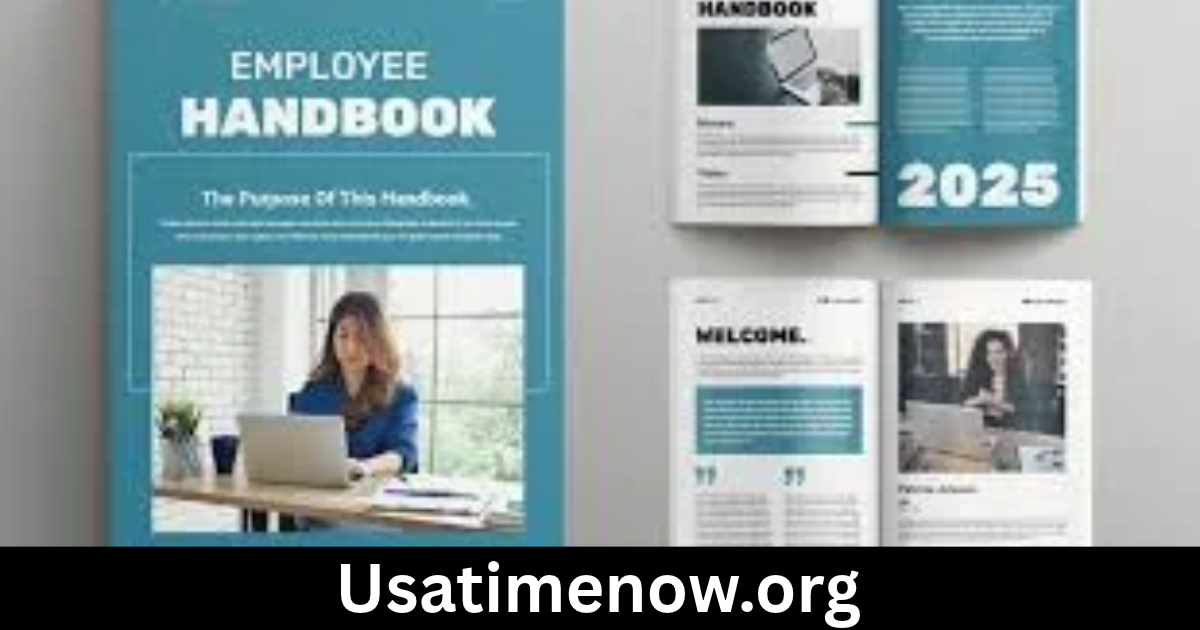
An employee handbook template is a useful resource for businesses that want to communicate workplace policies, employee expectations, company values, employee handbook template and important procedures. It provides a consistent format for explaining how an organization operates and what employees need to know throughout their employment.
Whether you manage a small business, a growing company, or a large organization, an employee handbook helps establish clear workplace guidelines. employee handbook template It can also support HR teams, improve communication, and reduce confusion about company policies.
In this guide, you’ll learn what an employee handbook should include, how to create one, and how to use a practical employee handbook template.
What Is an Employee Handbook?
An employee handbook is an official document that explains an organization’s workplace policies, procedures, expectations, employee handbook template and employee benefits.
It serves as a reference guide for employees and managers. It commonly covers working hours, attendance, leave policies, compensation practices, workplace conduct, health and safety, performance expectations, and disciplinary procedures.
An employee handbook should be written in clear language and updated regularly to reflect changes in company policies and applicable employment laws.
Why Is an Employee Handbook Important?
A well-organized employee handbook provides several benefits for employers and employees.
1. Establishes Clear Workplace Expectations
Employees need to understand what their organization expects from them. A handbook explains workplace rules, professional conduct, responsibilities, and performance standards.
2. Improves HR Communication
HR departments can use the handbook to communicate important policies consistently. Employees can refer to one document instead of repeatedly asking questions about basic workplace procedures.
3. Supports Consistent Policy Application
Written guidelines help managers apply workplace policies more consistently across departments and teams.
4. Helps Employees Understand Their Benefits
A handbook can explain available benefits, leave entitlements, insurance arrangements, and other employment-related information.
5. Supports Legal and Compliance Awareness
A carefully prepared handbook can help communicate workplace requirements and organizational procedures. However, it should be reviewed for compliance with applicable employment laws and should not be treated as a substitute for legal advice.
What Should an Employee Handbook Include?
The exact contents depend on the organization’s size, industry, location, and workforce.
1. Welcome Message and Company Overview
Start with a welcome message from the company owner, CEO, or leadership team.
Include:
- Company background
- Mission and vision
- Core values
- Organizational goals
- Brief history of the business
This section helps employees understand the organization’s purpose and culture.
2. Employment Policies
Explain the basic rules governing employment within the organization.
Common topics include:
- Employment classifications
- Working arrangements
- Probationary periods
- Equal employment opportunity
- Recruitment and hiring procedures
- Employee responsibilities
Policies should reflect applicable laws and the organization’s actual employment practices.
3. Working Hours and Attendance Policy
Explain when employees are expected to work and how attendance is managed.
Include information about:
- Standard working hours
- Break periods
- Attendance recording
- Punctuality
- Absence reporting
- Overtime approval
- Remote and hybrid work arrangements, where applicable
4. Compensation and Employee Benefits
Employees should understand how compensation and benefits are administered.
This section may explain:
- Payroll schedules
- Salary payment procedures
- Overtime arrangements
- Bonuses and incentives
- Health insurance
- Retirement or savings benefits
- Other company-provided benefits
Avoid including confidential individual salary information in a general handbook.
5. Leave and Time-Off Policies
Explain how employees request and use available leave.
Common leave categories include:
- Annual or vacation leave
- Sick leave
- Parental leave
- Personal leave
- Bereavement leave
- Public holidays
The handbook should clearly explain eligibility, approval procedures, employee handbook template and applicable legal entitlements.
6. Workplace Conduct and Professional Behavior
A workplace conduct policy establishes expectations for professional behavior.
It may address:
- Respectful communication
- Teamwork and collaboration
- Workplace harassment
- Discrimination
- Conflicts of interest
- Confidentiality
- Appropriate use of company resources
Employees should also know how to report misconduct or workplace concerns.
7. Health and Safety Policies
Explain the organization’s approach to maintaining a safe working environment.
Include workplace safety procedures, emergency contacts, incident reporting, equipment guidelines, and relevant health and safety responsibilities.
8. Performance Management and Training
Describe how employee performance is reviewed and supported.
This section can cover performance reviews, goal setting, professional development, training opportunities, and performance improvement procedures.
9. Technology and Data Security
Explain the appropriate use of company technology and information.
Policies may cover:
- Company computers and devices
- Email and internet usage
- Password security
- Data protection
- Confidential business information
- Social media guidelines
- Remote access and cybersecurity
10. Disciplinary and Grievance Procedures
Employees should understand how workplace concerns and policy violations are handled.
Explain how employees can raise complaints, report concerns, request assistance, and participate in disciplinary procedures.
Procedures should be fair, consistently applied, and compliant with relevant employment requirements.
Employee Handbook Template: Sample Structure
The following template provides a practical starting point for creating an employee handbook.
[Company Name] Employee Handbook
Effective Date: [Insert Date]
Last Updated: [Insert Date]
Company Address: [Insert Address]
1. Welcome to [Company Name]
Welcome to [Company Name]. We are pleased to have you as part of our team. This handbook provides information about our workplace policies, employee benefits, responsibilities, and organizational expectations.
Our goal is to create a professional, respectful, and productive working environment.
2. Company Mission and Values
Mission: [Insert Company Mission]
Vision: [Insert Company Vision]
Core Values:
- Integrity
- Respect
- Accountability
- Teamwork
- Innovation
3. Employment Policies
Employees are expected to understand and follow company policies and procedures. Employment conditions are governed by applicable agreements and relevant employment laws.
Employment Type: [Full-Time / Part-Time / Contract]
Probation Period: [Insert Details]
4. Working Hours and Attendance
Standard Working Hours: [Insert Schedule]
Break Policy: [Insert Details]
Employees should follow attendance procedures and notify their supervisor when they are unable to report to work.
5. Compensation and Benefits
Payroll is processed according to the company’s established payment schedule.
Pay Schedule: [Insert Details]
Available Benefits: [Insert Benefits]
6. Leave and Time Off
Employees may request applicable leave according to company policy and legal requirements.
Annual Leave: [Insert Details]
Sick Leave: [Insert Details]
Other Leave: [Insert Details]
7. Workplace Conduct
Employees are expected to treat colleagues, customers, managers, and business partners with professionalism and respect.
Harassment, discrimination, retaliation, and other prohibited workplace conduct are not acceptable.
8. Technology and Confidentiality
Employees must protect company information and use workplace technology responsibly. Confidential information should only be accessed or shared for authorized business purposes.
9. Health and Safety
Employees must follow workplace safety procedures and report hazards, accidents, or unsafe conditions through the appropriate channels.
10. Performance and Development
The company may conduct performance reviews and provide training opportunities to support employee growth and organizational objectives.
11. Complaints and Disciplinary Procedures
Employees can raise workplace concerns through [Insert Reporting Contact or Procedure].
Policy violations may be addressed through appropriate procedures consistent with company policy and applicable law.
12. Employee Acknowledgment
I acknowledge that I have received and reviewed the [Company Name] Employee Handbook. I understand that I am responsible for becoming familiar with the applicable policies and procedures.
Employee Name: ______________________
Signature: ___________________________
Date: _______________________________
This acknowledgment confirms receipt and understanding of the handbook; it does not automatically create or change contractual employment terms.
How to Create an Effective Employee Handbook
Creating a useful employee handbook requires planning and input from the people responsible for managing the workforce.
Step 1: Identify Your Company’s Needs
Consider your organization’s size, industry, workforce structure, and operating locations. A small business may need a shorter handbook, while a larger organization may require more detailed policies.
Step 2: Review Existing HR Policies
Collect current policies, employment procedures, benefit information, and workplace guidelines. Identify outdated or inconsistent information before drafting the handbook.
Step 3: Use Clear and Simple Language
Avoid complicated legal terminology wherever possible. Employees should be able to understand policies without needing specialist HR knowledge.
Step 4: Check Legal Requirements
Employment laws differ between countries and jurisdictions. Have qualified HR or legal professionals review policies involving wages, leave, working hours, discrimination, workplace safety, and termination.
Step 5: Distribute the Handbook
Make the handbook available in an accessible format, such as a PDF, printed document, or employee portal. Explain where employees can find updated policies.
Step 6: Review and Update Regularly
Review the handbook periodically and whenever important workplace policies or legal requirements change. Include an effective date and version information to help employees identify the latest edition.
Best Practices for Maintaining an Employee Handbook
- Keep policies consistent with actual workplace practices.
- Assign responsibility for reviewing and updating the document.
- Use headings and a table of contents for easy navigation.
- Explain how employees can ask questions or report concerns.
- Provide accessible formats for different employee needs.
- Communicate important policy changes clearly.
- Maintain appropriate records of handbook distribution and acknowledgment.
Common Employee Handbook Mistakes to Avoid
Organizations should avoid copying generic templates without adapting them to their operations. Other common mistakes include using outdated legal information, writing unclear policies, overlooking remote employees, and failing to communicate policy changes.
An overly complicated handbook can also discourage employees from reading it. Focus on practical information that employees can easily understand and use.
FAQs About Employee Handbook Templates
1. What is an employee handbook template?
An employee handbook template is a prearranged document structure that businesses can customize to explain workplace policies, procedures, benefits, and employee expectations.
2. Is an employee handbook legally required?
Requirements vary by country and jurisdiction. Some employment laws require employers to provide particular workplace policies or notices, even when a complete handbook is not mandatory.
3. What are the most important sections of an employee handbook?
Important sections include employment policies, working hours, attendance, compensation, leave, workplace conduct, health and safety, technology use, and grievance procedures.
4. How long should an employee handbook be?
There is no universal length. It should be detailed enough to explain essential policies without including unnecessary information. The size of the organization and complexity of its policies will influence the length.
5. Can small businesses use an employee handbook template?
Yes. Small businesses can use a basic template and customize it according to their workforce, industry, company policies, and applicable employment laws.
6. How often should an employee handbook be updated?
It should be reviewed regularly, at least annually as a practical management approach, and whenever relevant policies or legal requirements change.
7. Should employees sign an employee handbook acknowledgment?
Employers commonly request written or electronic acknowledgment confirming that employees received the handbook. The acknowledgment should clearly explain what the employee is confirming.
Conclusion
An employee handbook template gives businesses a practical foundation for communicating workplace policies, employee responsibilities, employee handbook template and organizational expectations. By including clear guidelines on employment, attendance, compensation, benefits, conduct, and safety, organizations can create a more organized and transparent working environment. The most effective employee handbooks are customized to the company’s needs, reviewed for legal compliance, and updated regularly. With a well-maintained handbook, HR teams can improve communication, support consistent policy application, and help employees understand how the organization operates.