




Table of Contents
An employee satisfaction survey is an important tool for understanding how employees feel about their jobs, workplace environment, management, employee satisfaction survey and overall experience within an organization. It gives businesses valuable insight into employee expectations, workplace challenges, and opportunities for improvement.
When employees feel heard and valued, they are more likely to remain engaged, contribute positively, and perform their responsibilities effectively. A well-designed employee satisfaction survey helps organizations identify concerns, improve workplace policies, and build a healthier company culture. This guide explains how employee satisfaction surveys work, what questions to include, and how to use the results effectively.
What Is an Employee Satisfaction Survey?
An employee satisfaction survey is a questionnaire used by organizations to collect feedback about employees’ experiences and opinions regarding their workplace.
The survey may cover topics such as compensation, benefits, management, communication, career development, workload, teamwork, and work-life balance.
HR departments typically use survey results to understand employee needs, identify workplace concerns, and develop strategies to improve satisfaction and retention.
For example, if survey responses show that employees are dissatisfied with career advancement opportunities, management can review promotion policies and introduce additional professional development programs.
Why Is an Employee Satisfaction Survey Important?
Employee satisfaction surveys help businesses understand what is working well and what needs improvement. Instead of relying on assumptions, managers can make decisions based on employee feedback.
Key benefits include:
- Improved employee engagement: Employees feel valued when organizations ask for and consider their opinions.
- Higher employee retention: Identifying dissatisfaction early can help businesses address issues before employees decide to leave.
- Better workplace culture: Feedback can reveal problems involving communication, teamwork, fairness, and management.
- Improved productivity: Addressing workplace concerns can create conditions that support better performance.
- Stronger management practices: Survey responses help managers understand employee expectations and leadership challenges.
- Better decision-making: HR teams can use survey data to prioritize workplace improvements.
- Early identification of problems: Surveys can reveal concerns about workload, recognition, compensation, and career development.
Types of Employee Satisfaction Surveys
Organizations can use different types of employee surveys depending on their goals and the information they want to collect.
1. Annual Employee Satisfaction Survey
An annual employee satisfaction survey provides a broad overview of workplace experiences. It usually covers management, compensation, benefits, communication, employee development, and organizational culture.
These surveys help businesses identify long-term trends and compare results from previous years.
2. Employee Engagement Survey
An employee engagement survey focuses on employees’ emotional connection, motivation, and commitment to the organization.
It may ask whether employees understand company goals, feel appreciated, and believe their work makes a difference.
3. Employee Pulse Survey
A pulse survey is a short questionnaire conducted regularly, such as monthly or quarterly. It helps HR teams monitor changing employee opinions and identify emerging concerns.
4. New Employee Satisfaction Survey
This survey gathers feedback from recently hired employees about recruitment, onboarding, training, and their early workplace experience.
It helps organizations improve the new employee experience.
5. Exit Survey
An exit survey collects feedback from employees who are leaving the organization. It can help identify reasons for resignation and highlight areas where retention strategies may need improvement.
Important Topics to Include in an Employee Satisfaction Survey
A useful survey should cover the workplace factors that have the greatest influence on employee experience.
Compensation and Benefits
Employees may be asked whether they believe their compensation is fair and whether the benefits offered meet their needs.
Questions can cover salary satisfaction, paid leave, health benefits, bonuses, and other workplace rewards.
Management and Leadership
Management practices have a significant impact on employee experiences. Survey questions should explore whether supervisors provide support, communicate clearly, treat employees fairly, and recognize good performance.
Work Environment
This section evaluates whether employees feel comfortable, respected, and supported in their workplace.
It may include questions about workplace safety, facilities, teamwork, inclusion, and access to necessary resources.
Career Growth and Development
Employees often value opportunities to improve their skills and advance professionally.
Questions can explore access to training, mentoring, promotion opportunities, and career guidance.
Communication and Teamwork
Effective communication helps employees understand expectations and collaborate with colleagues.
Survey questions should assess whether important information is shared clearly and whether employees feel comfortable expressing their opinions.
Work-Life Balance
This area measures whether employees can manage professional responsibilities alongside personal commitments.
Questions may cover workload, working hours, flexibility, and access to appropriate support.
Employee Satisfaction Survey Questions
The following questions can be used as a starting point when creating an employee satisfaction questionnaire.
| Survey Question | What It Measures |
|---|---|
| Are you satisfied with your current job responsibilities? | Job satisfaction |
| Do you feel valued for your contributions? | Employee recognition |
| Does your manager communicate expectations clearly? | Leadership and communication |
| Are you satisfied with your compensation and benefits? | Compensation satisfaction |
| Do you have opportunities for career development? | Professional growth |
| Is your workload manageable? | Workload balance |
| Do you feel comfortable sharing feedback? | Workplace communication |
| Do colleagues treat you with respect? | Teamwork and culture |
| Do you have the resources needed to perform your job? | Workplace support |
| Would you recommend this organization as a good place to work? | Overall employee experience |
Organizations can use rating scales, multiple-choice questions, and open-ended questions to collect different types of feedback.
How to Create an Effective Employee Satisfaction Survey
A successful employee satisfaction survey should be simple, relevant, and easy to complete. The following steps can help HR teams design a useful questionnaire.
Step 1: Define Your Survey Objectives
Determine what you want to learn from employees. Your goal may be to measure overall satisfaction, evaluate management practices, understand retention concerns, or assess workplace culture.
Clear objectives help prevent unnecessary questions and keep the survey focused.
Step 2: Choose Relevant Questions
Select questions that directly support your objectives. Use simple, neutral language and avoid questions that combine several unrelated topics.
For example, asking whether employees are satisfied with both salary and management in one question can make responses difficult to interpret.
Step 3: Select a Survey Format
Choose a format that employees can access easily. Common options include online forms, HR platforms, paper questionnaires, and employee feedback tools.
Online surveys can simplify response collection and analysis, especially for organizations with large or geographically distributed teams.
Step 4: Protect Employee Confidentiality
Employees should understand how their responses will be collected, accessed, and used.
If a survey is described as anonymous, the organization should avoid collecting identifying information and explain any limitations clearly. Confidential surveys should also have appropriate access controls to protect employee information.
Step 5: Communicate the Purpose
Explain why the organization is conducting the survey, how long it will take, and when employees should complete it.
Managers should encourage participation without pressuring employees to provide particular answers.
Step 6: Analyze the Results
Review survey responses to identify common concerns, positive feedback, and differences between departments or employee groups.
Look for patterns rather than relying on individual comments alone. Open-ended responses can provide useful context behind numerical ratings.
Step 7: Take Action and Share Updates
The most important step is acting on employee feedback. Develop an improvement plan, assign responsibilities, and establish realistic deadlines.
Communicate the findings and explain which changes the organization plans to make. Employees should see that their participation leads to meaningful action.
How to Measure Employee Satisfaction Survey Results
Organizations can use several methods to evaluate survey results and monitor changes over time.
- Average satisfaction score: Measures the average rating employees give to selected questions.
- Survey response rate: Shows the percentage of invited employees who complete the survey.
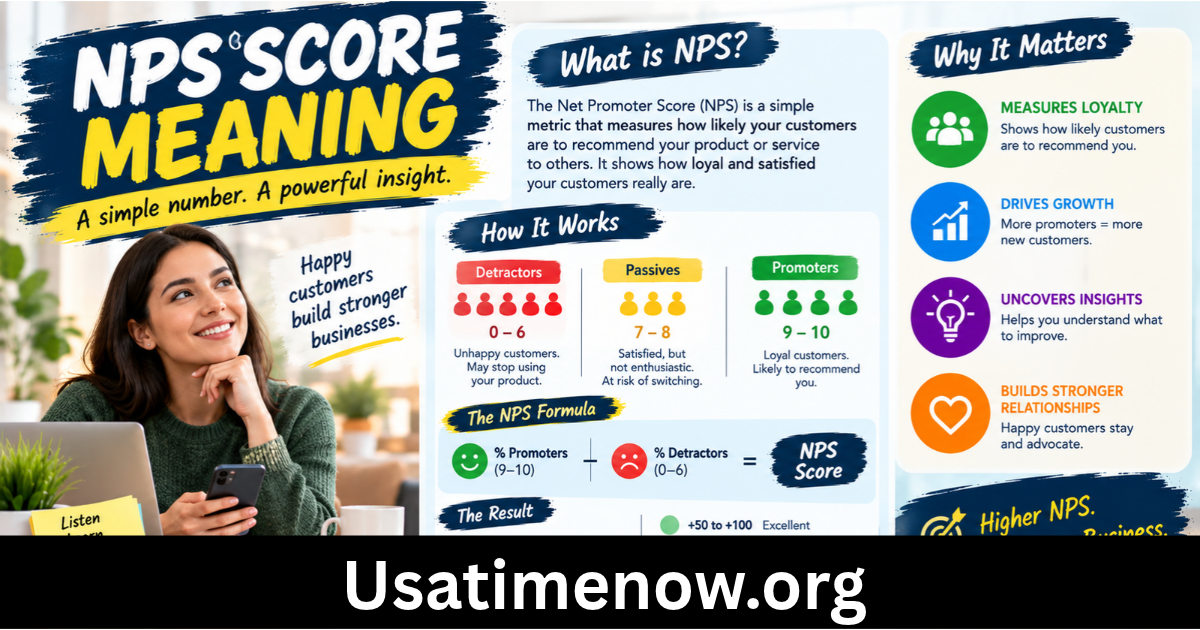
- Employee Net Promoter Score (eNPS): Measures how likely employees are to recommend the organization as a workplace.
- Employee turnover rate: Helps organizations understand whether retention challenges may be connected to workplace dissatisfaction.
- Engagement scores: Provide insight into employees’ motivation and connection with the organization.
- Open-ended feedback: Reveals specific concerns, suggestions, and experiences that rating questions may not capture.
These measures should be considered together. A high response rate, for example, does not automatically mean employees are satisfied.
Common Employee Satisfaction Survey Mistakes to Avoid
Poor survey design can reduce participation and make results less useful.
Common mistakes include:
- Asking too many questions.
- Using confusing or leading language.
- Failing to explain how responses will be handled.
- Collecting feedback but taking no action.
- Making promises that management cannot fulfill.
- Ignoring negative feedback.
- Comparing survey results without considering differences in employee groups or circumstances.
A successful survey process requires honesty, consistency, and a genuine commitment to improvement.
Frequently Asked Questions (FAQs)
1. What is the purpose of an employee satisfaction survey?
Its purpose is to understand how employees feel about their jobs, management, compensation, workplace culture, and professional development opportunities.
2. How often should employee satisfaction surveys be conducted?
Many organizations conduct a comprehensive survey annually and use shorter pulse surveys throughout the year. The right schedule depends on company size and business needs.
3. Should employee satisfaction surveys be anonymous?
Anonymous surveys can encourage honest feedback, especially about sensitive workplace issues. However, organizations should explain clearly whether responses are anonymous or confidential.
4. What is a good employee satisfaction survey response rate?
There is no universal ideal response rate. A higher participation rate can provide a broader picture of employee opinions, but results should also be evaluated for representativeness and possible response bias.
5. What is the difference between employee satisfaction and employee engagement?
Employee satisfaction focuses on how employees feel about their workplace and employment conditions. Employee engagement focuses more on their motivation, commitment, and connection to organizational goals.
6. What should HR do after an employee satisfaction survey?
HR should analyze the results, identify priority issues, discuss findings with leadership, develop an action plan, and communicate progress to employees.
7. Can employee satisfaction surveys improve retention?
Yes. Surveys can help organizations identify concerns related to management, workload, compensation, and career development. Addressing these issues may improve employee experiences and support retention.
Conclusion
An employee satisfaction survey is a valuable tool for understanding workforce needs and creating a better workplace. By collecting honest feedback about management, compensation, communication, career development, employee satisfaction survey and work-life balance, organizations can identify problems and make informed improvements. However, conducting a survey is only the beginning. Businesses must listen to employees, communicate findings, and take meaningful action. When employees see that their opinions matter, organizations can build stronger relationships, improve workplace satisfaction, and support long-term business success.